
.webp?length=400&name=Cyber-Radio-NDR585%20(3).webp)

.webp?width=70&height=70&name=Vector%20(1).webp)







compared spec
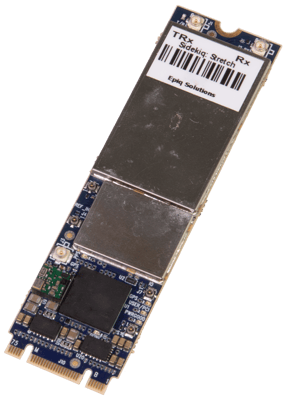
Sidekiq™ STRETCH
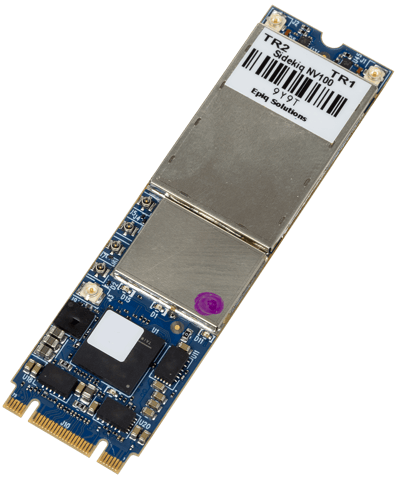
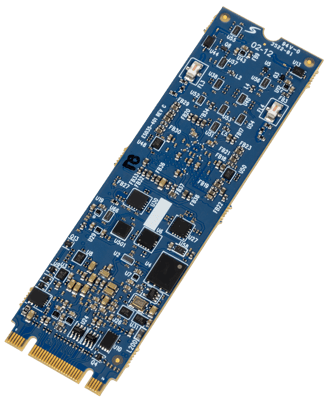
Sidekiq™ NV100
(22 mm x 80 mm x 4.5 mm)
(22 mm x 80 mm x 4.5 mm)
compared spec
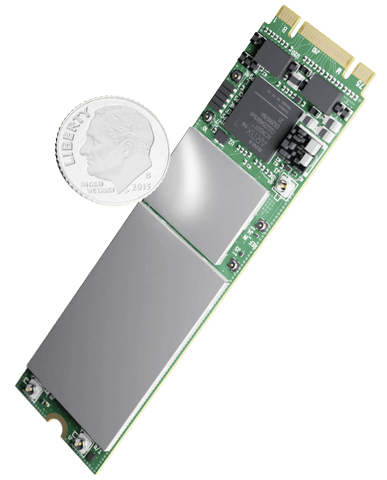
Sidekiq™ STRETCH
RF COVERAGE
BANDWIDTH
RECEIVERS
1
TRANSMITTERS
1
INTEGRATED FPGA
FORM FACTOR
M.2 2280 Key B+M
(22 mm x 80 mm x 4.5 mm)
I/O
POWER CONSUMPTION

Sidekiq™ NV100
RF COVERAGE
BANDWIDTH
RECEIVERS
TRANSMITTERS
INTEGRATED FPGA
FORM FACTOR
M.2 2280 Key B + M
(22 mm x 80 mm x 4.5 mm)
I/O
PCIe Gen2 x2 + GPIO + GPSDO
POWER CONSUMPTION
Resources
Datasheets
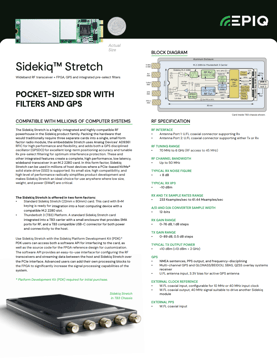
Epiq - datasheet - Sidekiq™ Stretch
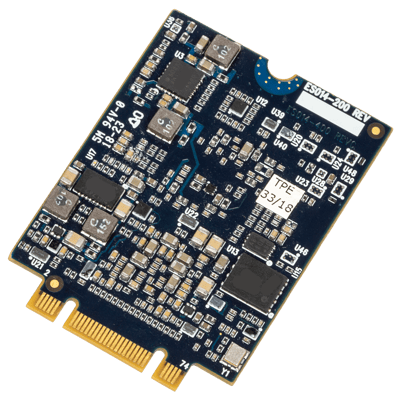
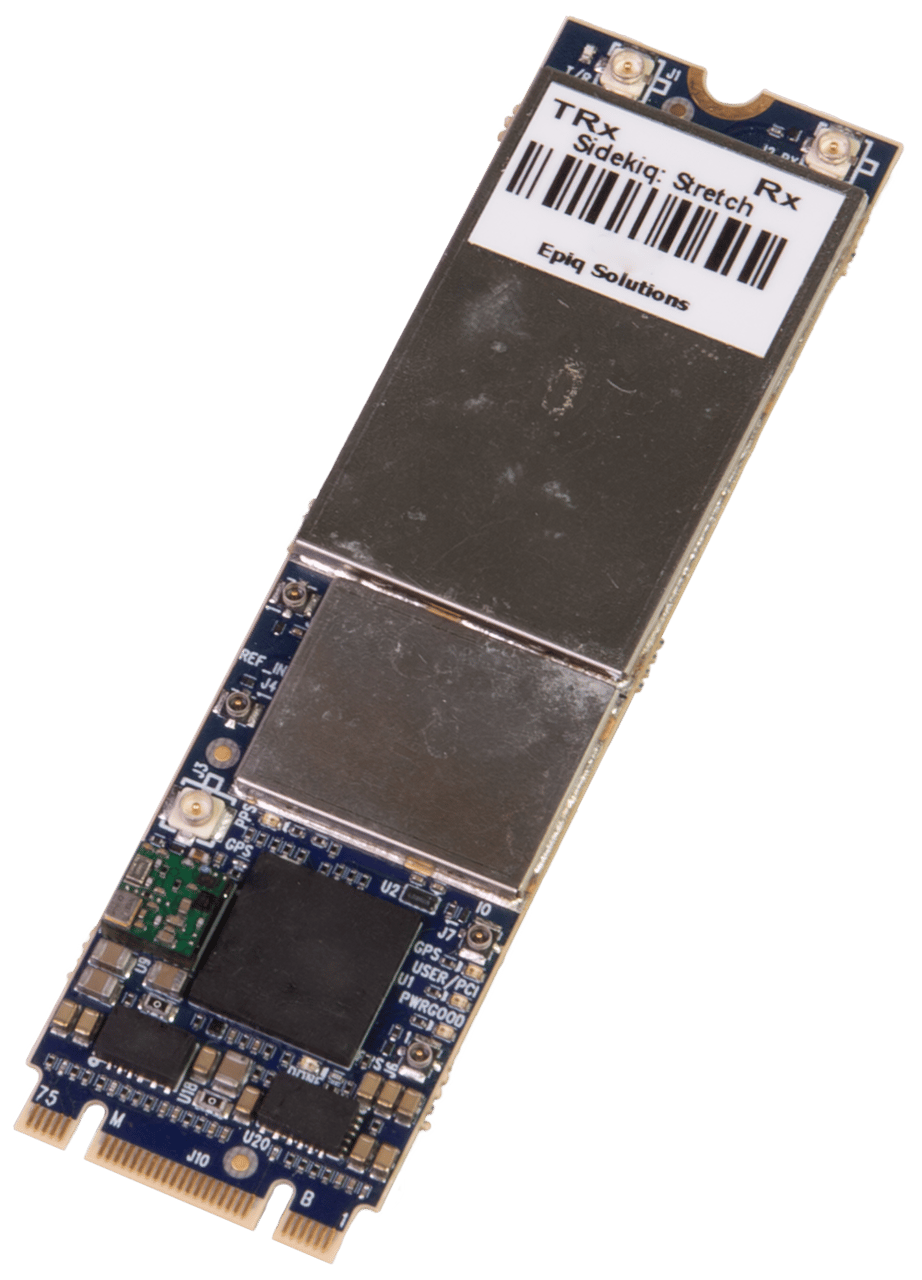
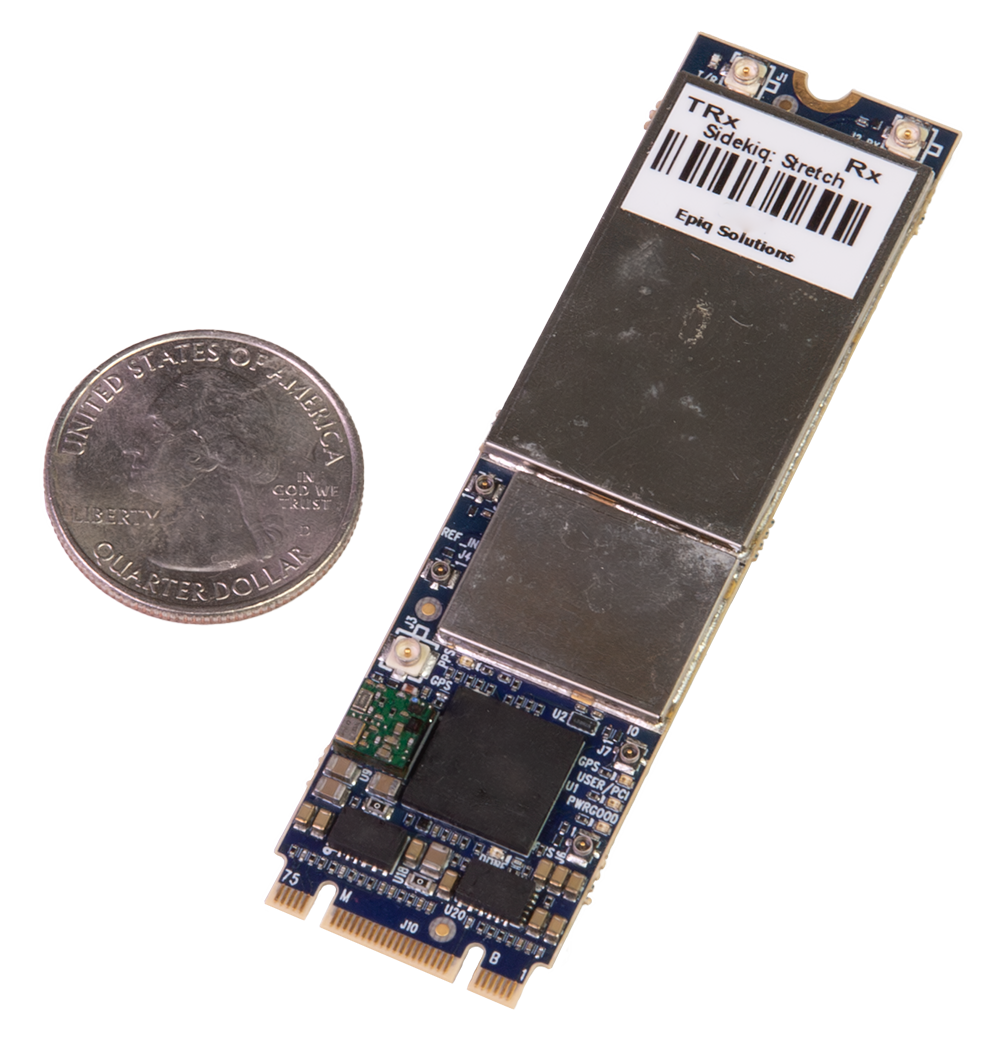
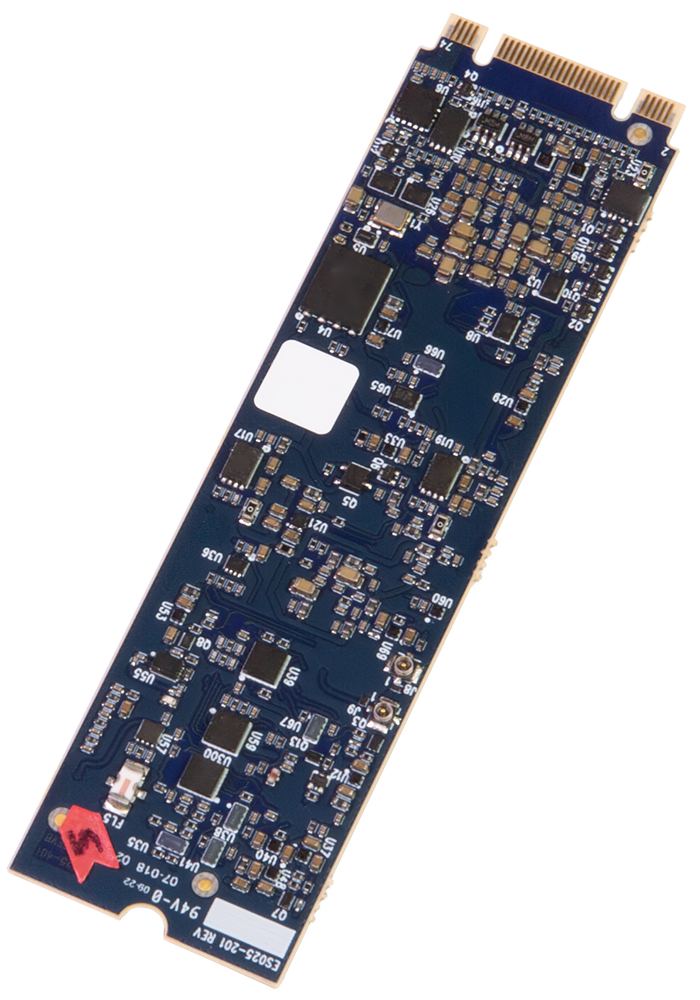
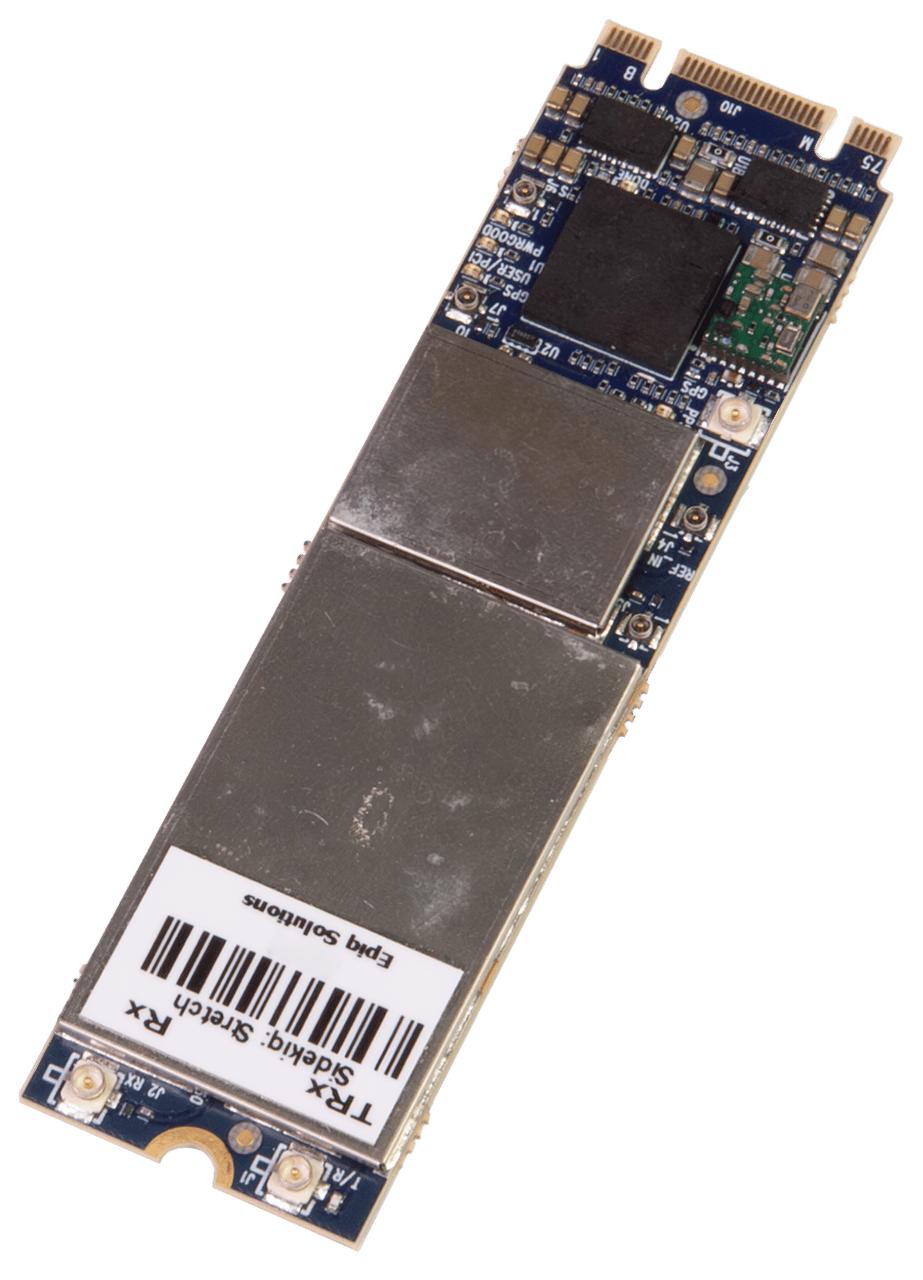
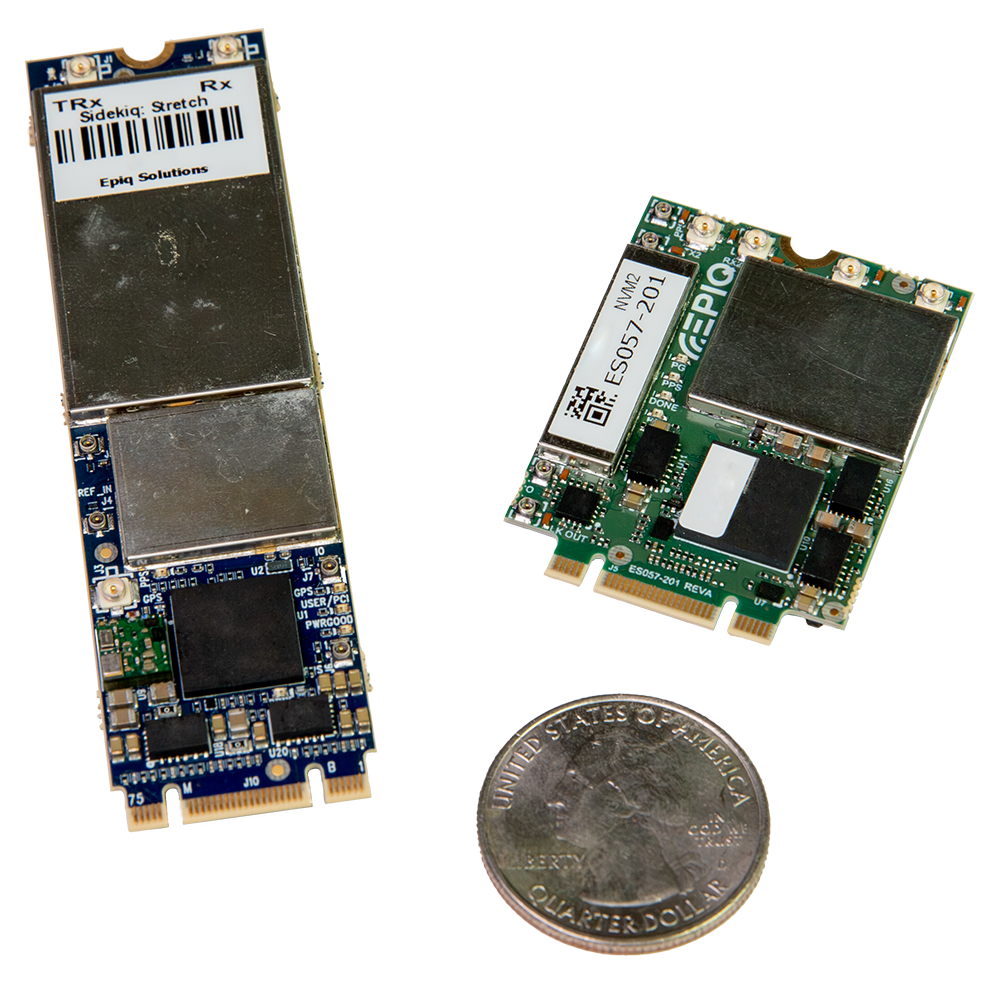
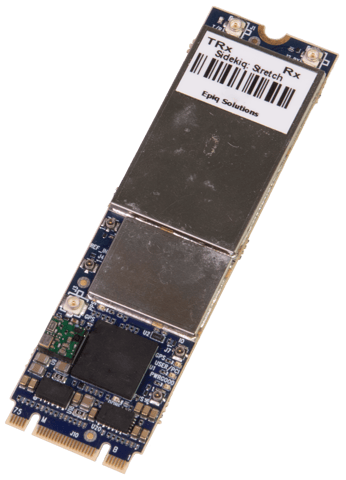
The Sidekiq Stretch is a highly-integrated and highly compatible RF powerhouse in the Sidekiq product family. Packing the hardware that would traditionally require three separate cards into a single, small form factor radio module, the embeddable Stretch uses Analog Devices’ AD9361 RFIC for high performance and flexibility, and adds both a GPS disciplined oscillator (GPSDO) for excellent long-term positioning accuracy and tunable Rx pre-select filtering for optimum interference protection. These and other integrated features create a complete, high performance, low latency, wideband transceiver in an M.2 2280 card. In this form factor, Sidekiq Stretch can be used in millions of host devices where a PCIe-based NVMe® solid state drive (SSD) is supported. Its small size, high compatibility, and high level of performance radically simplifies product development and makes Sidekiq Stretch an ideal choice for use anywhere where low size, weight, and power (SWaP) are critical.
Application notes
Squeezing the Balloon: Effective SDR Power Budgeting to Maximize UxS Range & Cap
Software Defined Radios (SDRs) are the Swiss army knives of spectrum battlefield situational awareness. Their uses range from satellite communications (SATCOM) and signals intelligence (SIGINT), to direction finding (DF), radar, jamming and many more besides. Even small drones are upgrading capabilities from only visible spectrum cameras to much more advanced capabilities using SDRs.
UAS Trends
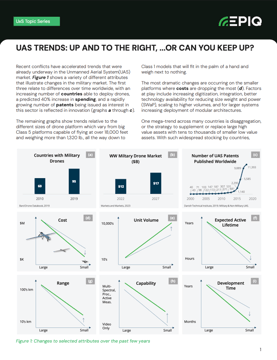
Recent conflicts have accelerated trends that were already underway in the Unmanned Aerial System(UAS) market. Figure 1 shows a variety of different attributes that illustrate changes in the military market. The first three relate to differences over time worldwide, with an increasing number of countries able to deploy drones, a predicted 40% increase in spending, and a rapidly growing number of patents being issued as interest in this sector is reflected in innovation (graphs a through c).
UxS Challenges, EPIQ Solutions
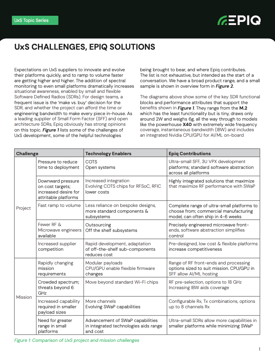
Expectations on UxS suppliers to innovate and evolve their platforms quickly, and to ramp to volume faster are getting higher and higher. The addition of spectral monitoring to even small platforms dramatically increases situational awareness, enabled by small and flexible Software Defined Radios (SDRs). For design teams, a frequent issue is the ‘make vs. buy’ decision for the SDR, and whether the project can afford the time or engineering bandwidth to make every piece in-house. As a leading supplier of Small Form Factor (SFF) and open architecture SDRs, Epiq obviously has strong opinions on this topic
UxS Payload Form Factors
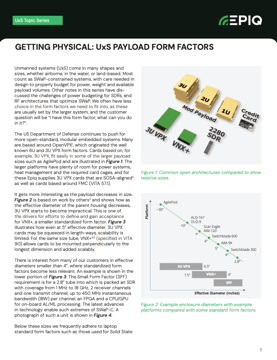
Unmanned systems (UxS) come in many shapes and sizes, whether airborne, in the water, or land-based. Most count as SWaP-constrained systems, with care needed in design to properly budget for power, weight and available payload volumes. Other notes in this series have discussed the challenges of power budgeting for SDRs, and RF architectures that optimize SWaP. We often have less choice in the form factors we need to fit into, as these are usually set by the larger system, and the customer question will be “I have this form factor, what can you do in it?”.
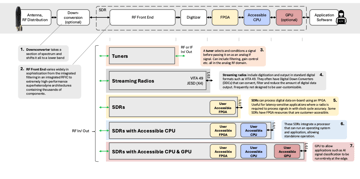
Which RF Architecture Should I Choose
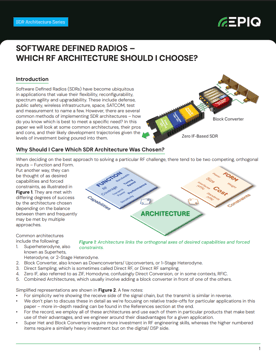
Software Defined Radios (SDRs) have become ubiquitous in applications that value their flexibility, reconfigurability, spectrum agility and upgradability. These include defense, public safety, wireless infrastructure, space, SATCOM, test and measurement to name a few. However, there are several common methods of implementing SDR architectures – how do you know which is best to meet a specific need?

Will it blend? Finding the Right Host Computer for an Embedded SDR
When developing an RF-based product, SDR selection is important. It rightfully gets a lot of attention – RF performance, number of receiver/transmitter channels, size, power consumption, and security are just a few of the considerations – but selecting the appropriate compute platform deserves equal (if not more) consideration to ensure the success of a product

Considerations in the Build vs Buy Decision-Making Process for SDRs
The flexibility and enhanced performance offered by software-defined radios (SDRs) in RF transceiver applications is driving an increased demand for their use across many industries such as defense, telecom, aerospace, and government.
Case studies
Open-source repositories

Blog
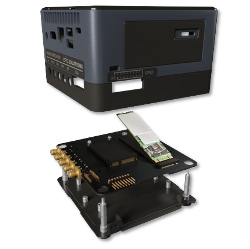
Sidekiq Stretch + Intel® NUC: Out-of-the-Box, High-Performance SDR Platform in a Small, Integrated Package
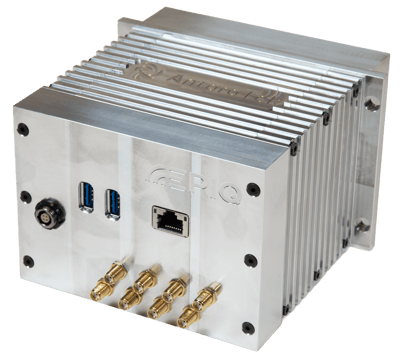
A standard Sidekiq Stretch SDR card combined with a COTS Intel NUC delivers high performance signal processing in a small form factor
Enabling Phase Coherency In Compact RF Systems
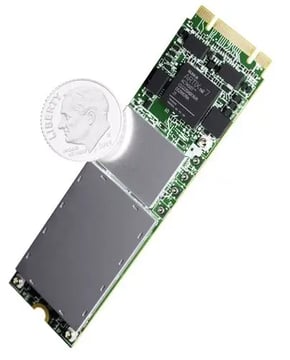
While multiple antennas and RF channels allow users to extract significantly more information, this progression has introduced new requirements, including phase coherency.

Managing Our Supply Chain in Challenging Times
Supply chain shortages are hitting electronics components particularly hard. Read this post for tips on how to manage in these challenging times.
Software Defined Radios – Which RF Architecture Should I Choose?
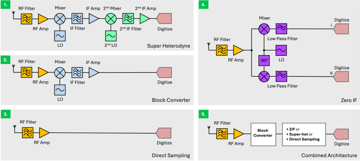
Choosing the right RF architecture is critical for SDR performance. From Superheterodyne to Direct Sampling, each offers unique trade-offs in size, power, and capability. Discover which architecture best fits your mission needs—register now to access the full article.
User Manuals
Epiq Sidekiq API
Sidekiq is a software defined radio card in a MiniPCIe, M.2 (3042 and 2280), or VITA 57.1 FPGA Mezzanine Card (FMC) form factor (Sidekiq X2 and X4).
Sidekiq Software Development Manual
This document provides the details required to enable a software developer to develop Linux software applications that will utilize the Sidekiq SDR.
Sidekiq FPGA Developer's Manual
The Sidekiq PDK provides a complete FPGA reference design that enables a user to quickly and efficiently create custom applications targeting Sidekiq MiniPCIe with a Xilinx Spartan®-6 LX45T, Sidekiq M.2 with a Xilinx Artix®-7 XC7A50T, or Sidkiq M.2 Stretch with a Xilinx Artix®-7 XC7A50T FPGA. On Sidekiq MiniPCIe and Sidekiq M.2, both PCIe and USB data transport modes are supported with separate FPGA reference designs.
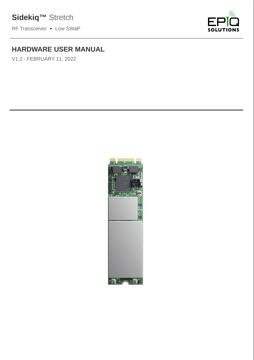
Epiq Solutions Sidekiq Stretch Hardware User Manual
Sidekiq Stretch is a miniature software defined radio card in a M.2 2280 card form factor, providing a flexible wideband RF transceiver that can be used by a host system. The 2280 M.2 form factor is widely used for PCIe-based NVMe® solid state drives (SSDs) in commercial laptops, embedded systems and servers. The features of the Sidekiq Stretch include the following