.webp?length=400&name=Cyber-Radio-NDR585%20(3).webp)

.webp?width=70&height=70&name=Vector%20(1).webp)






 SDR++
SDR++ SoapySDR
compared spec
Find Your Perfect Matchstiq™
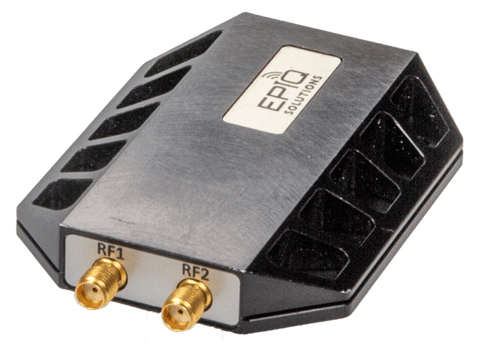
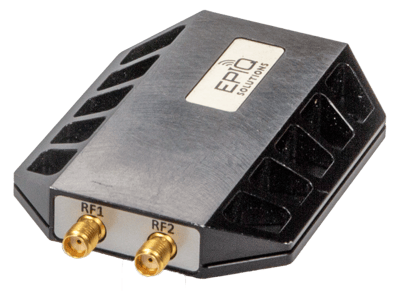
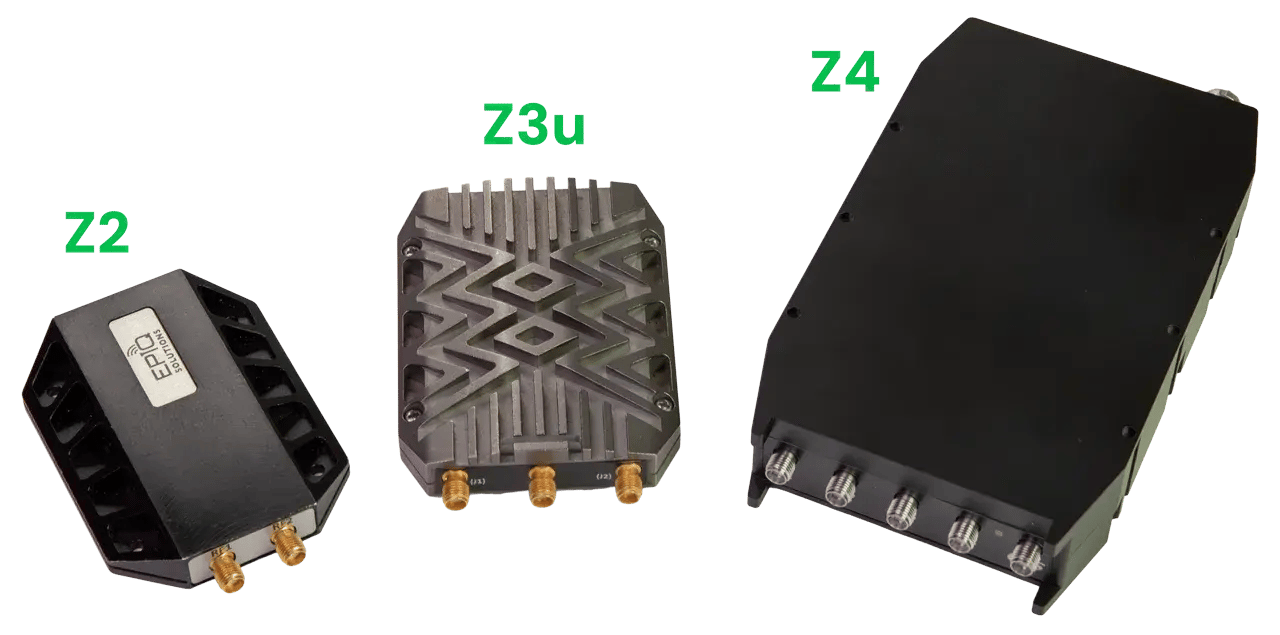
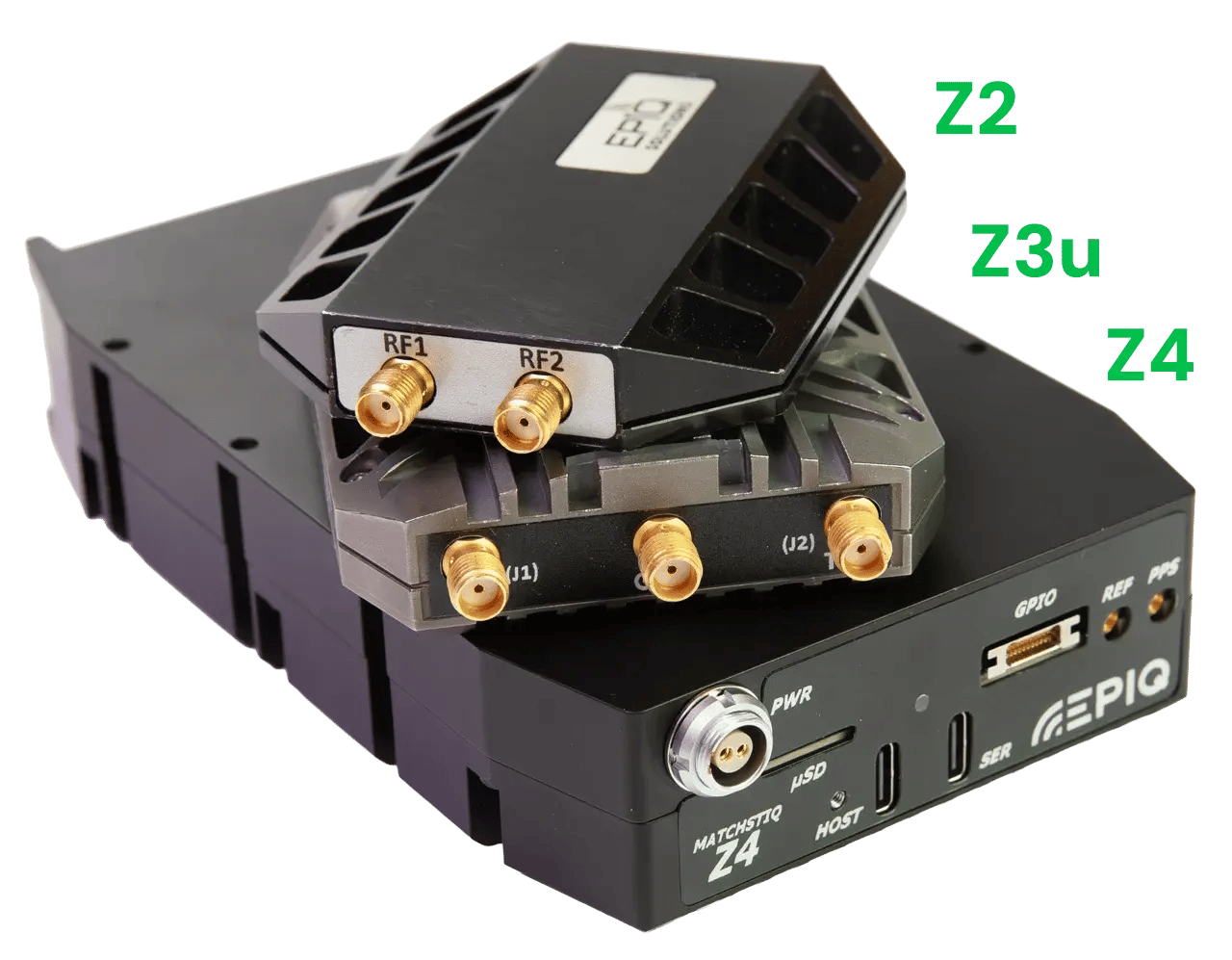
Matchstiq™ Z2
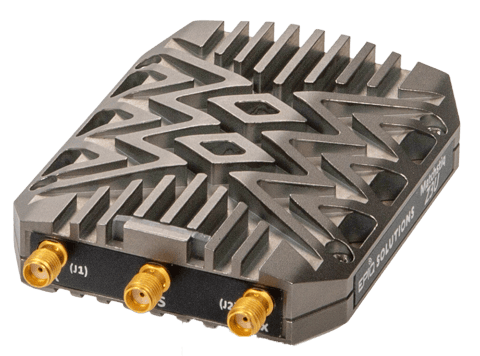
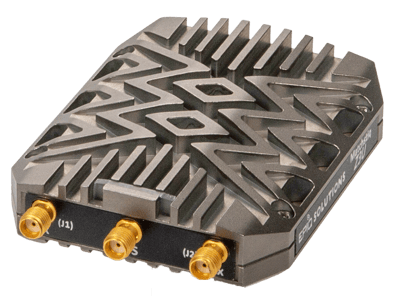
Matchstiq™ Z3u
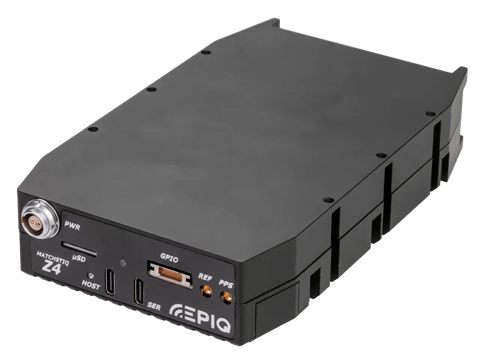
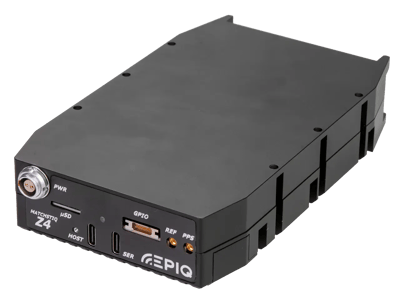
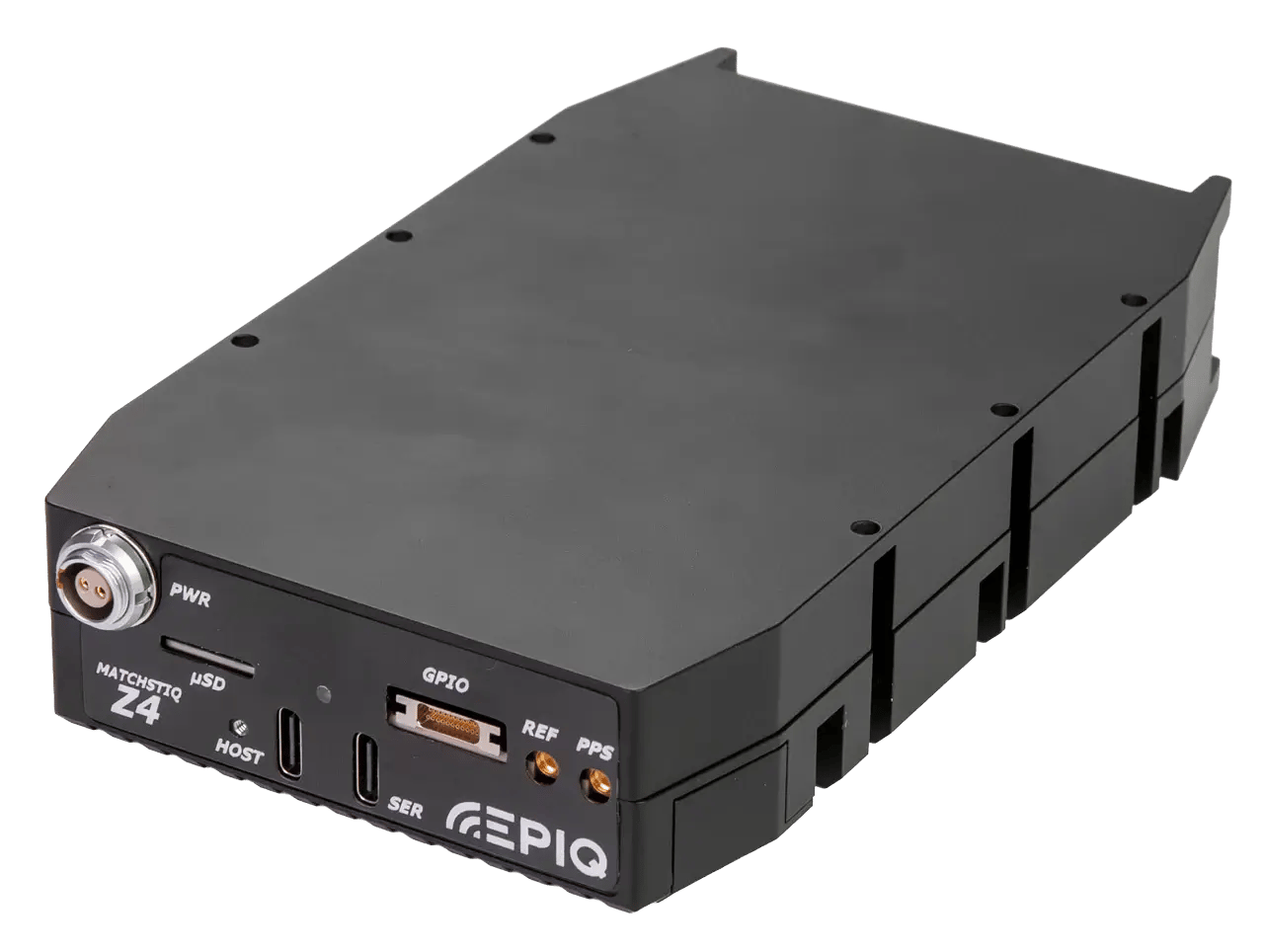
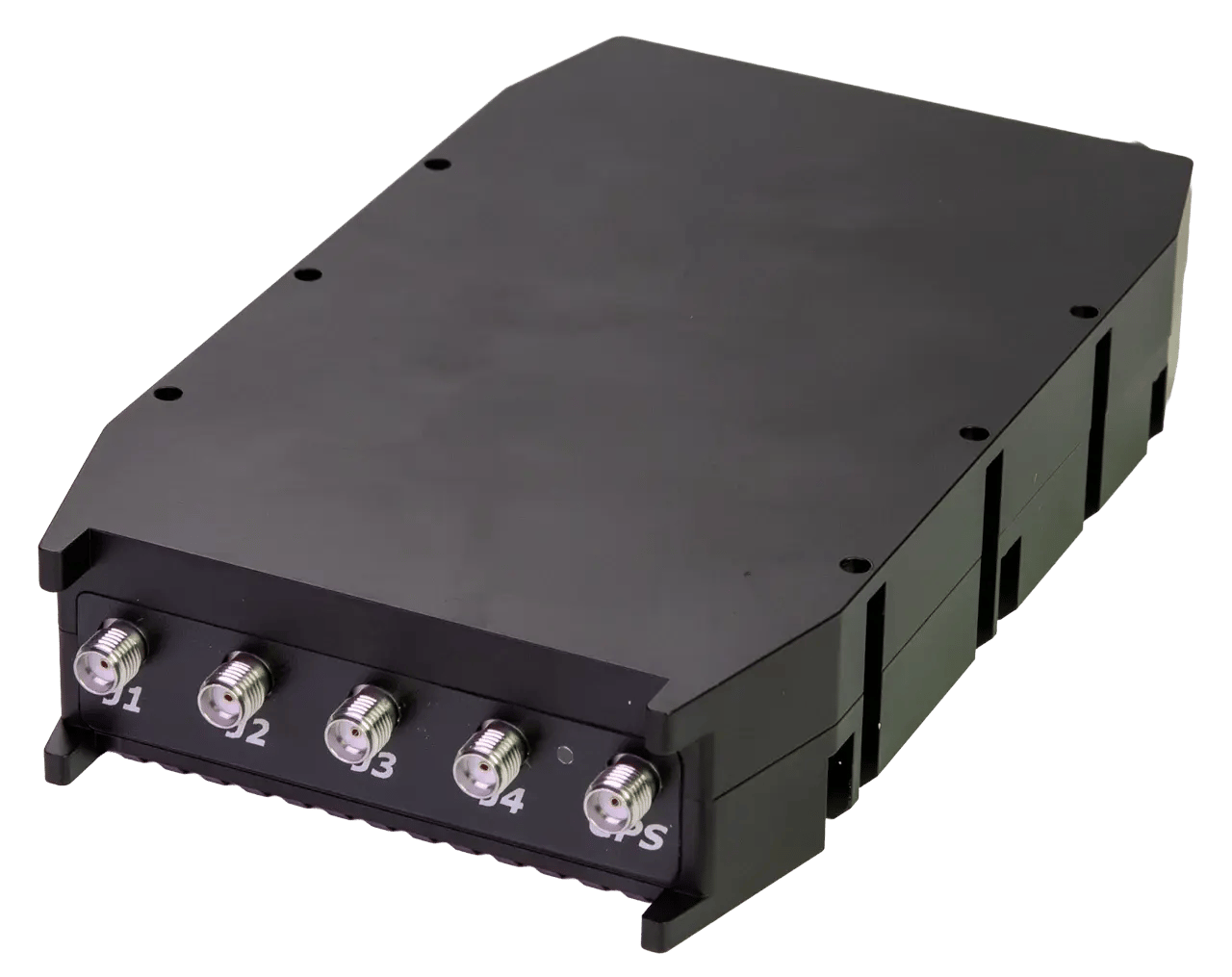
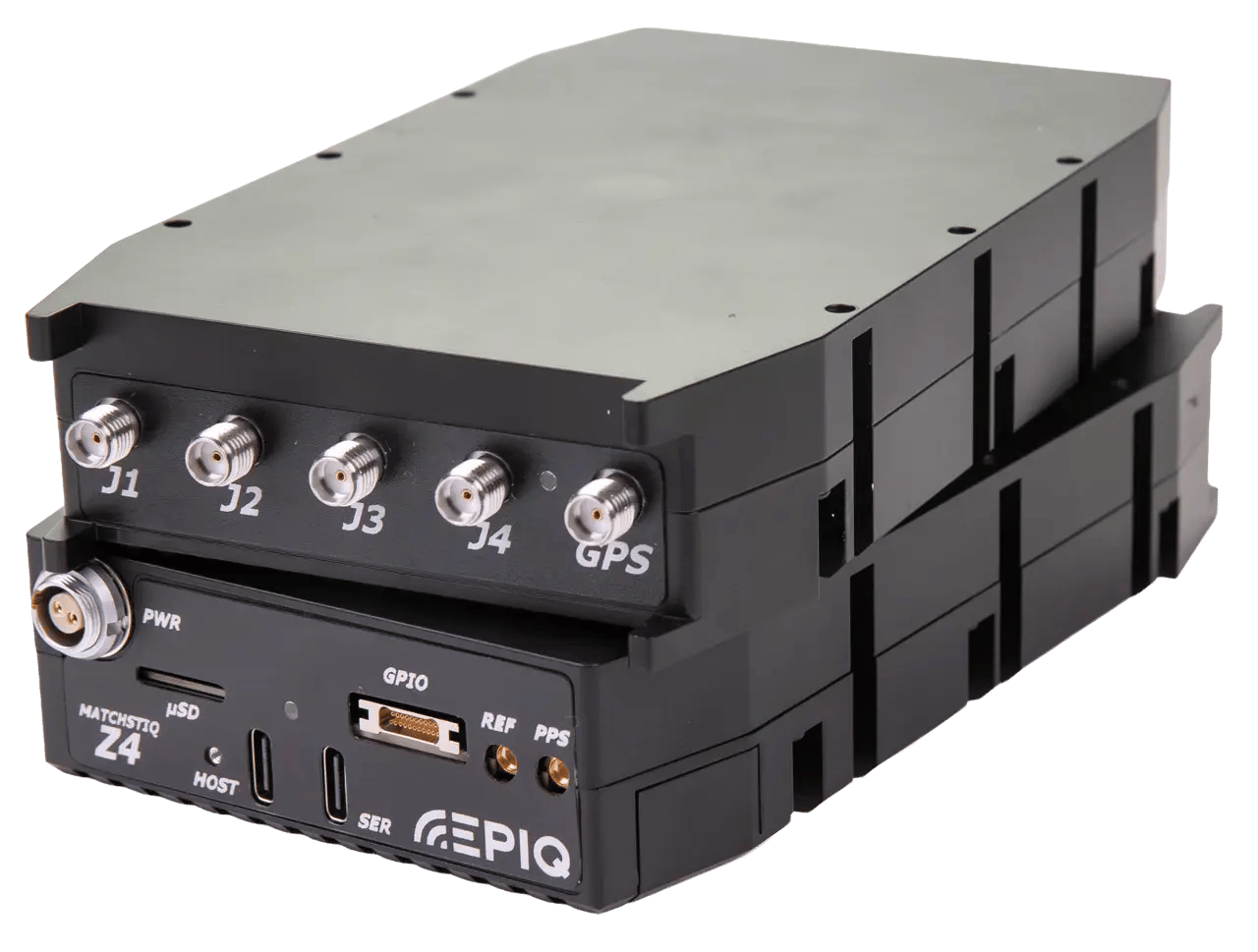
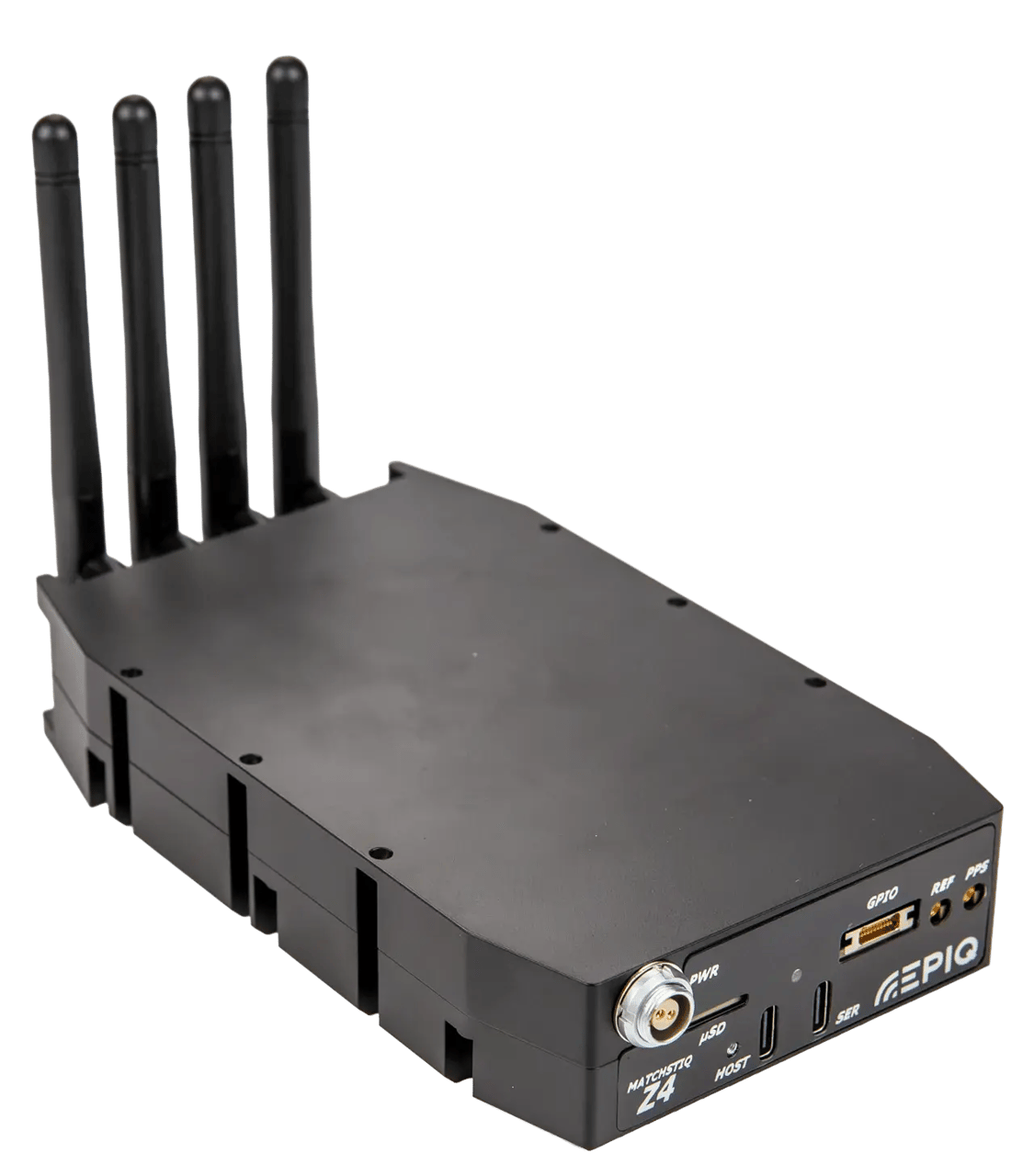
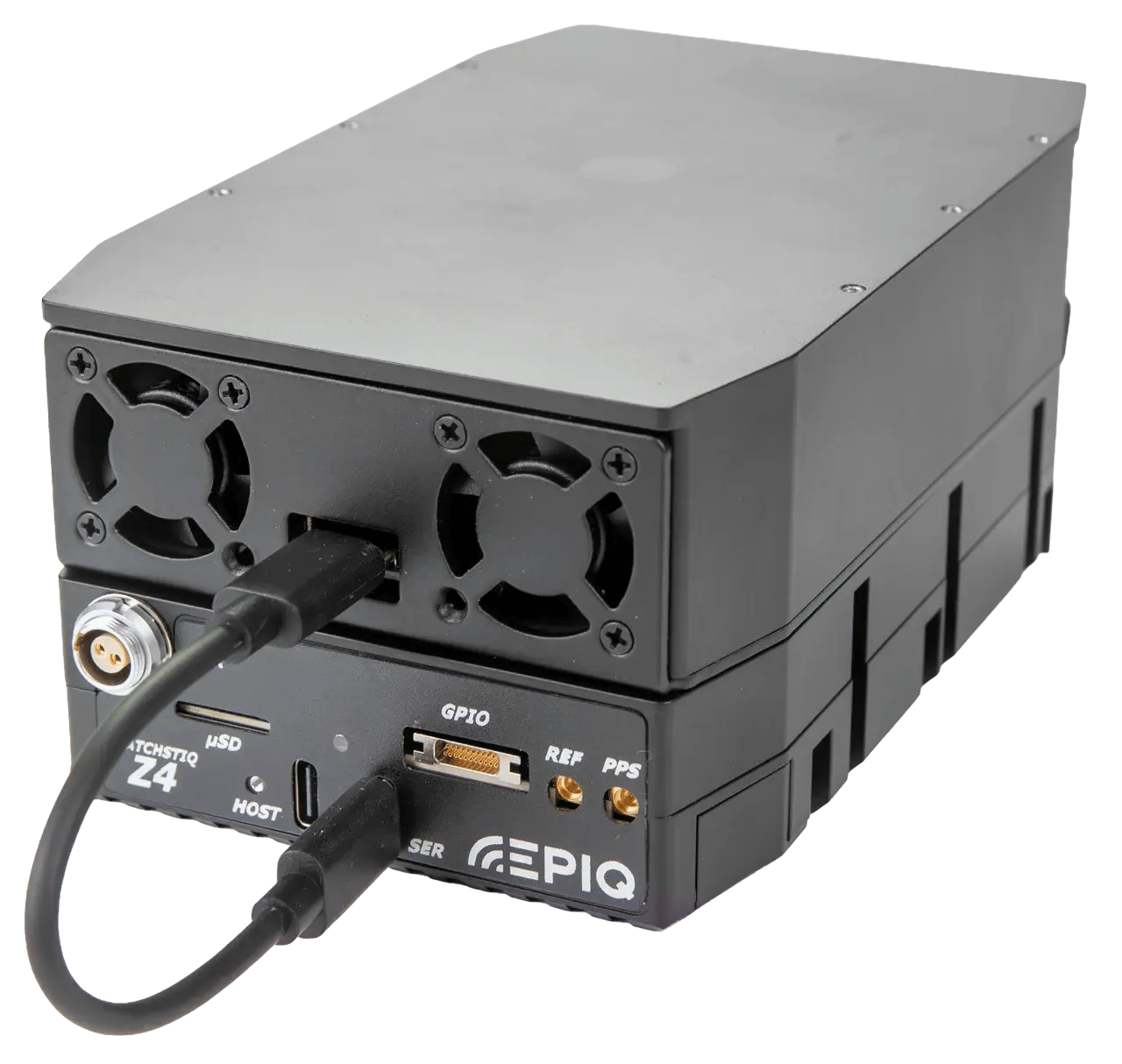
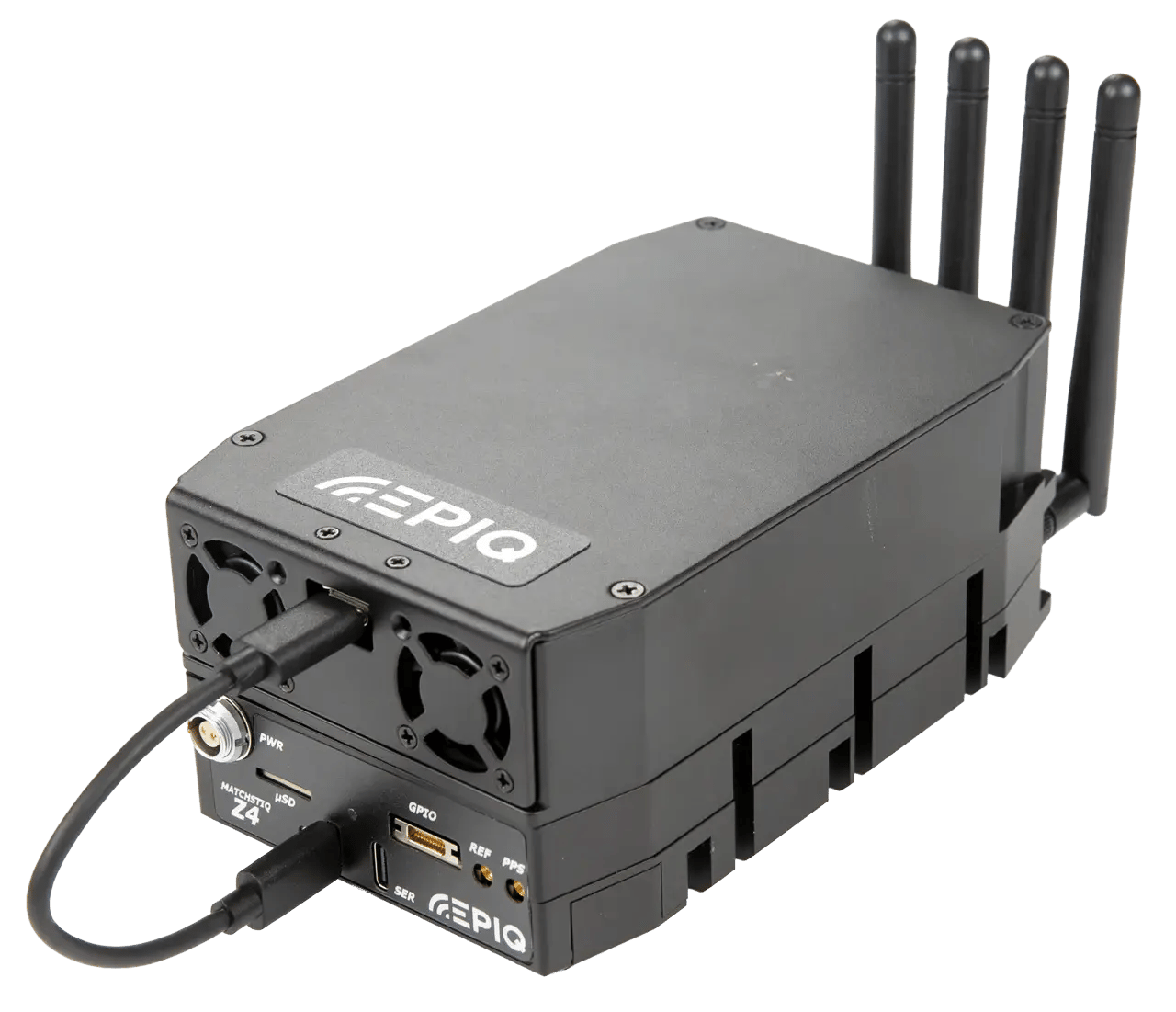
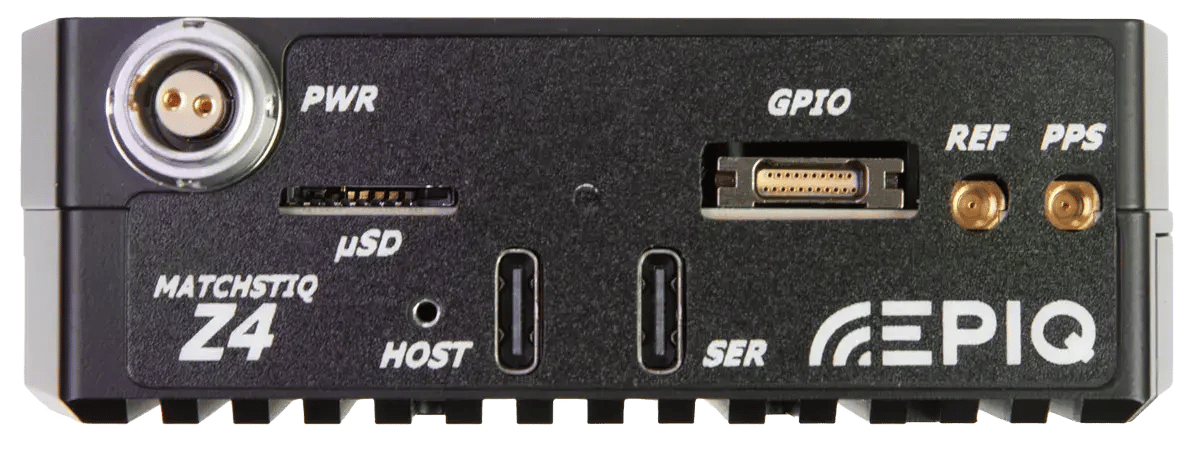
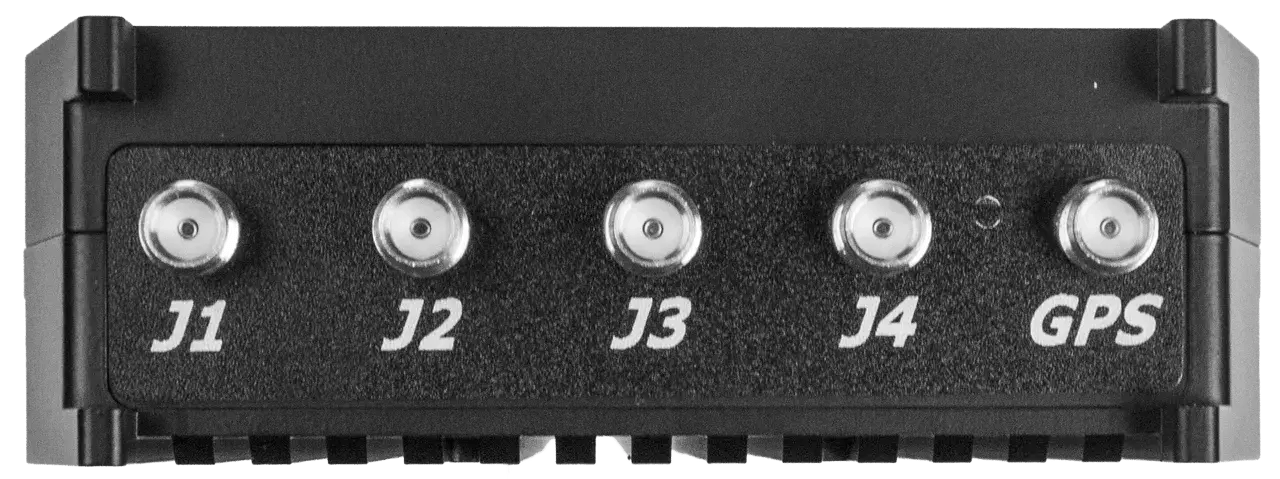
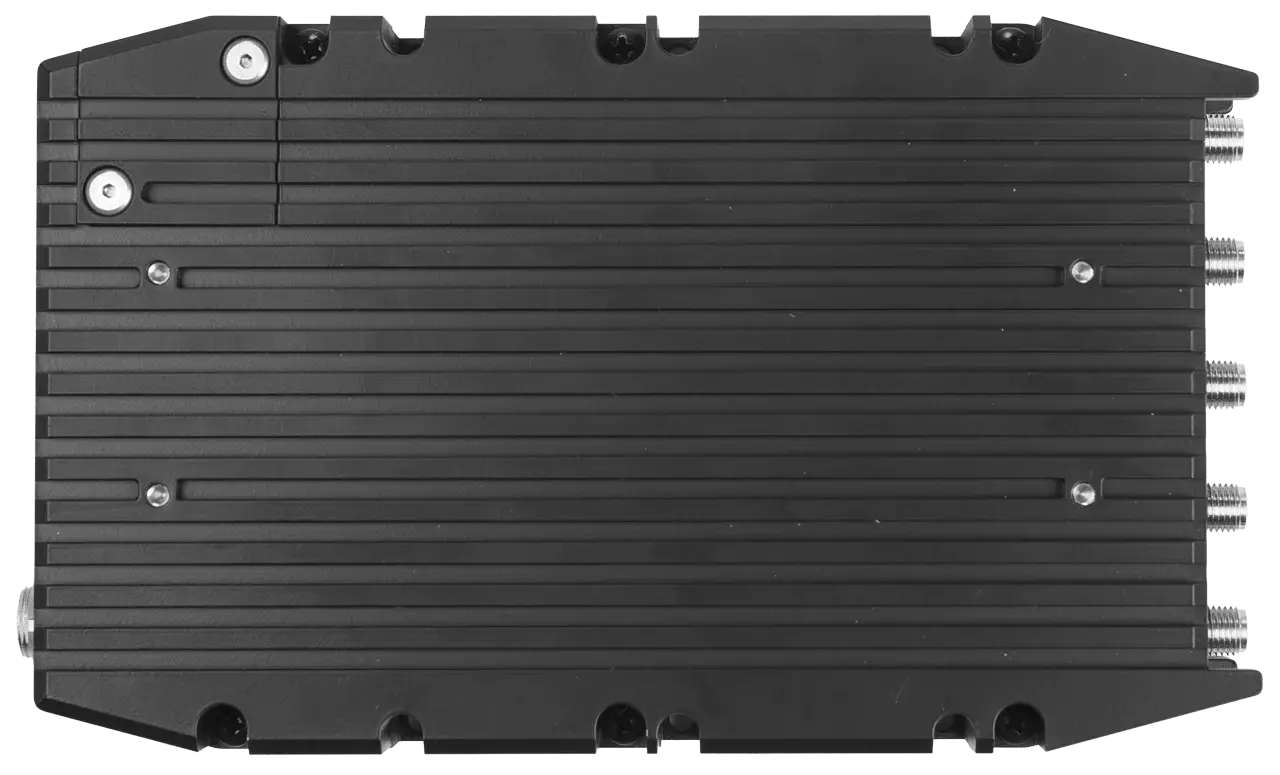
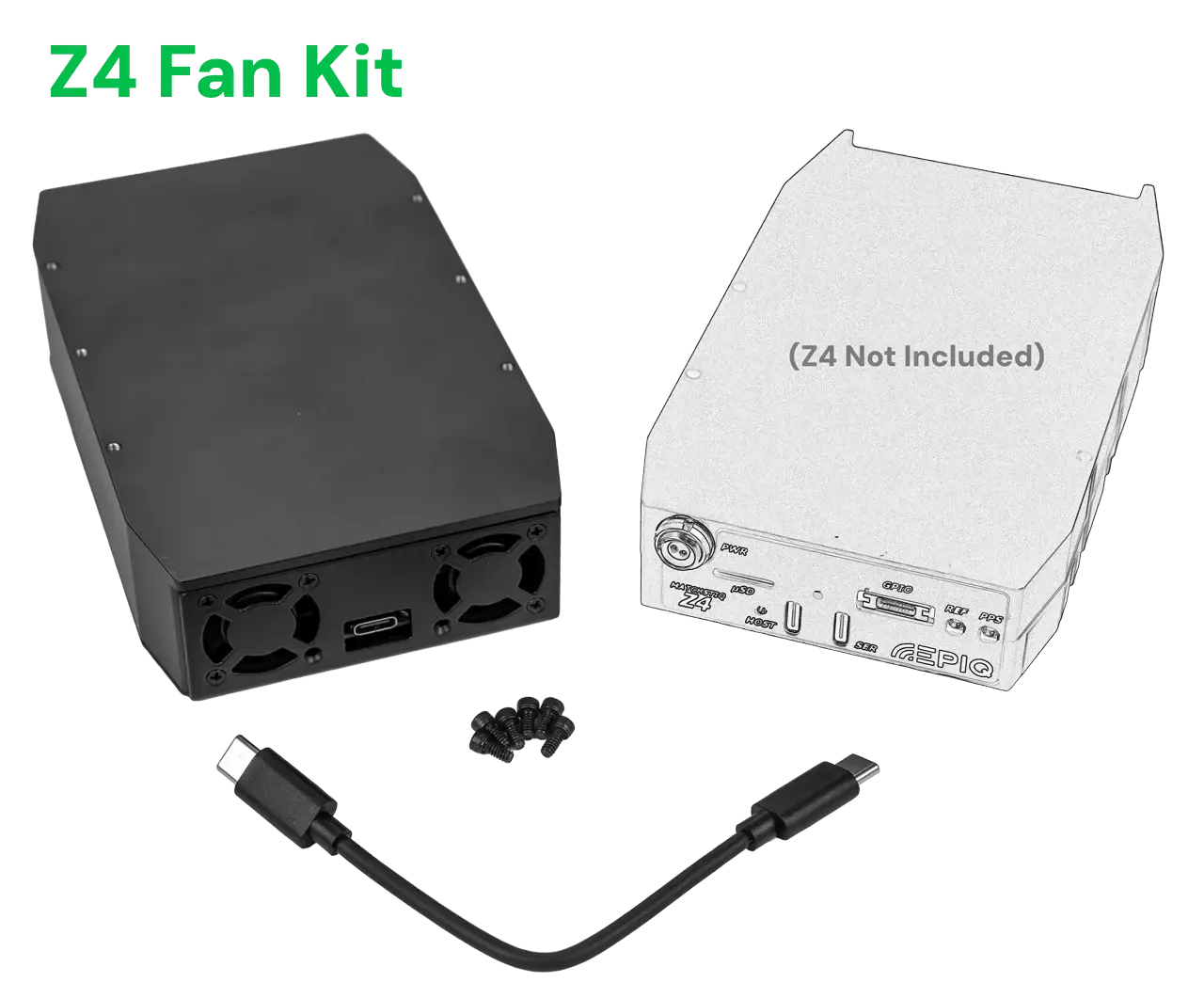
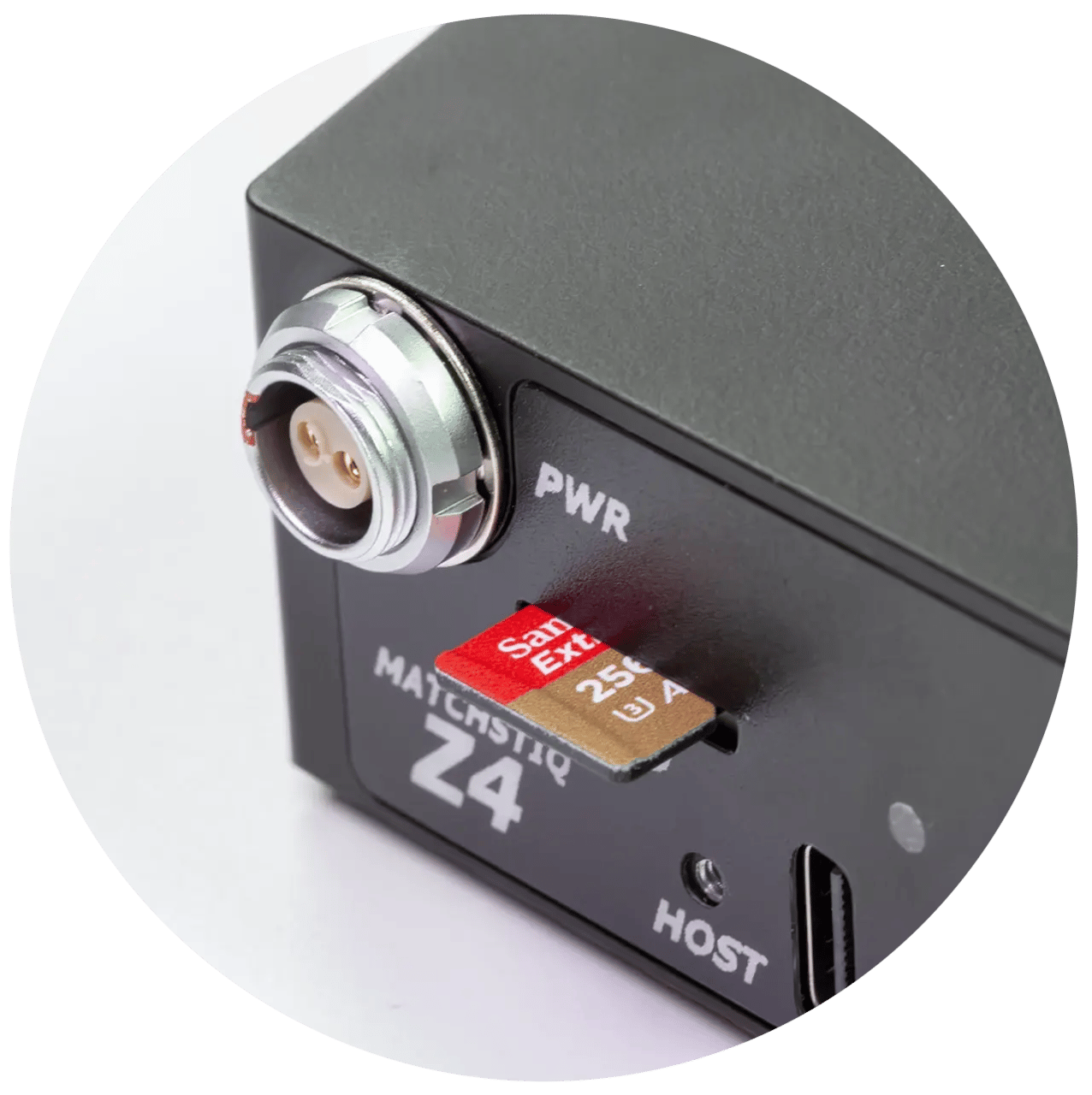
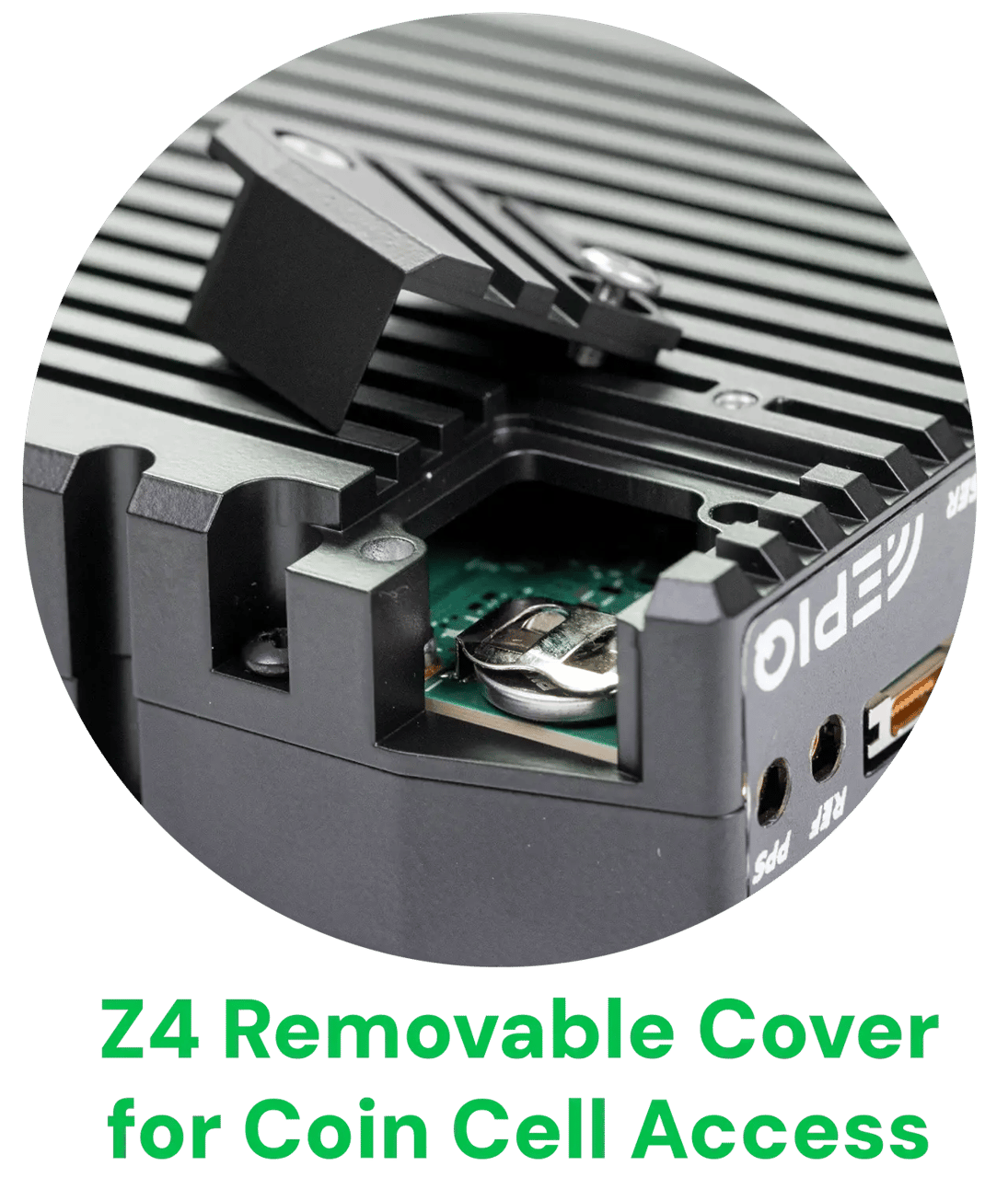
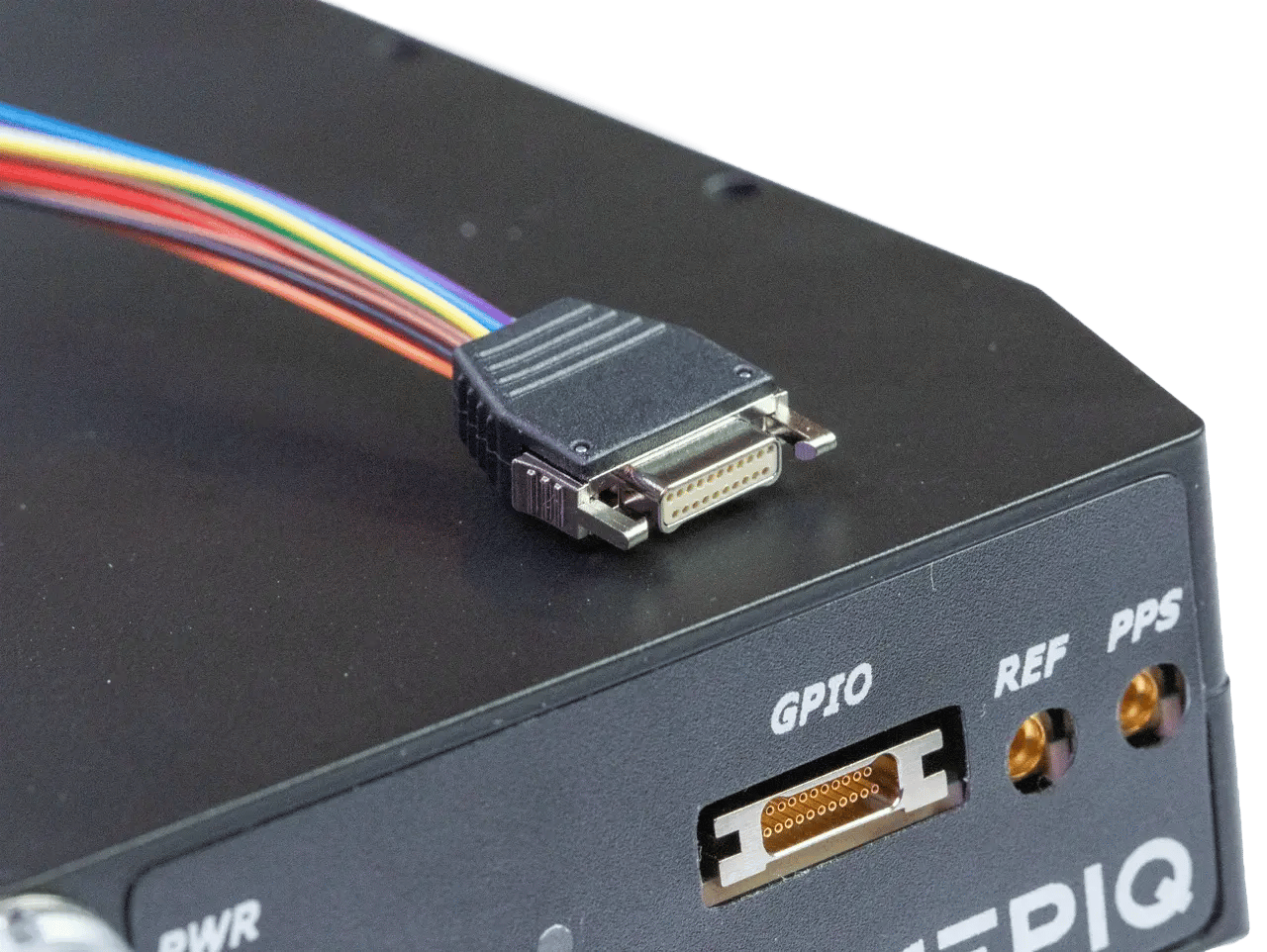
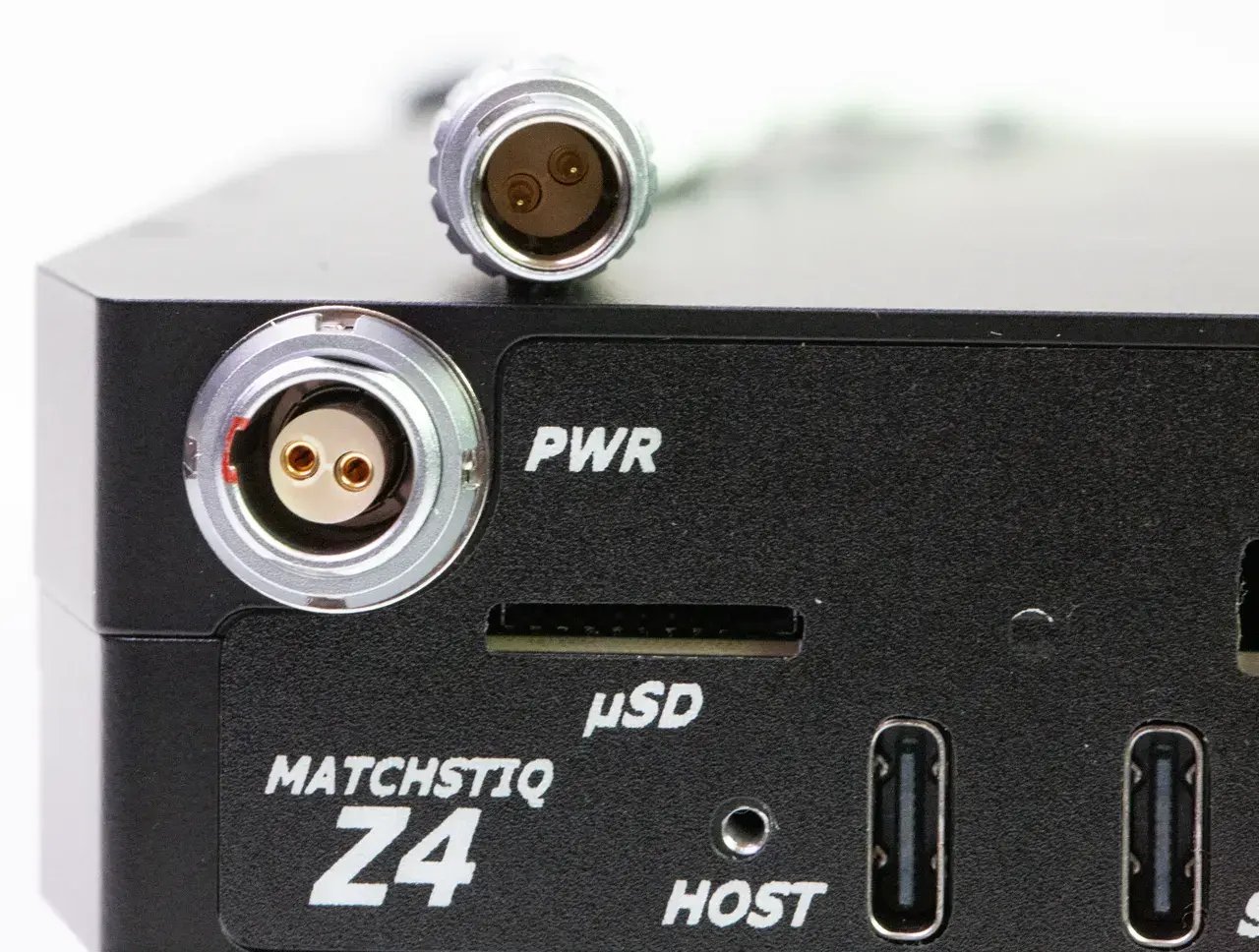
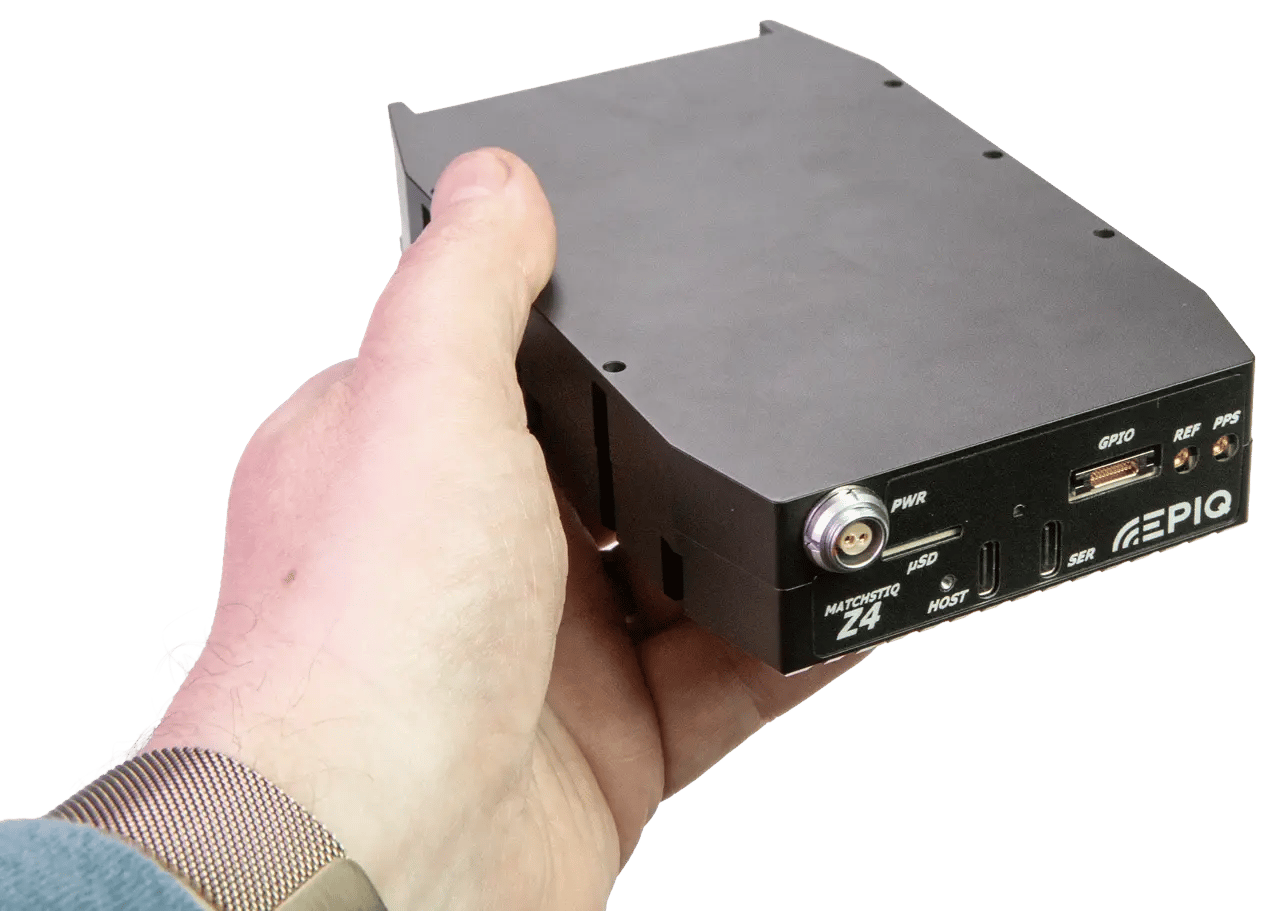
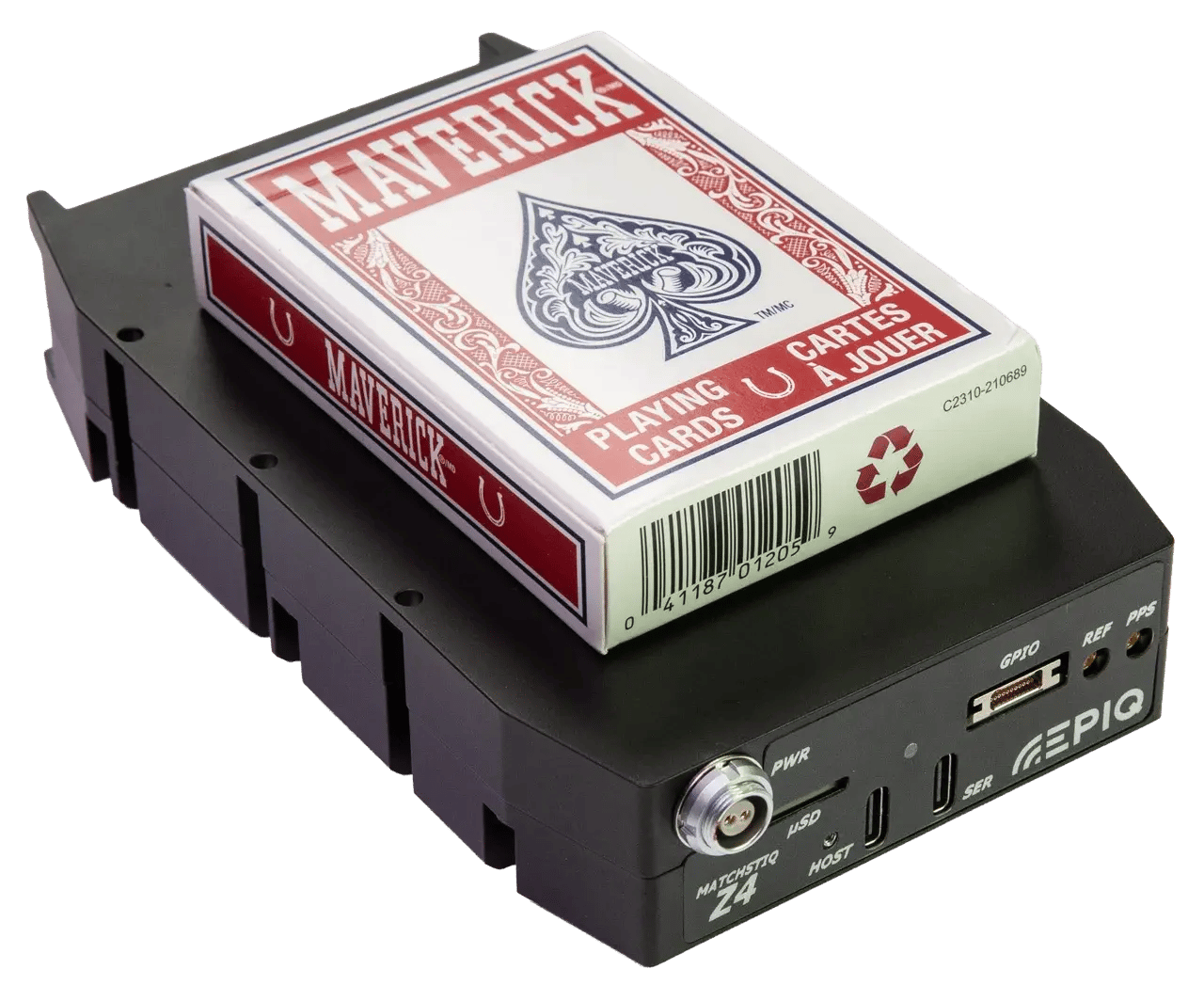
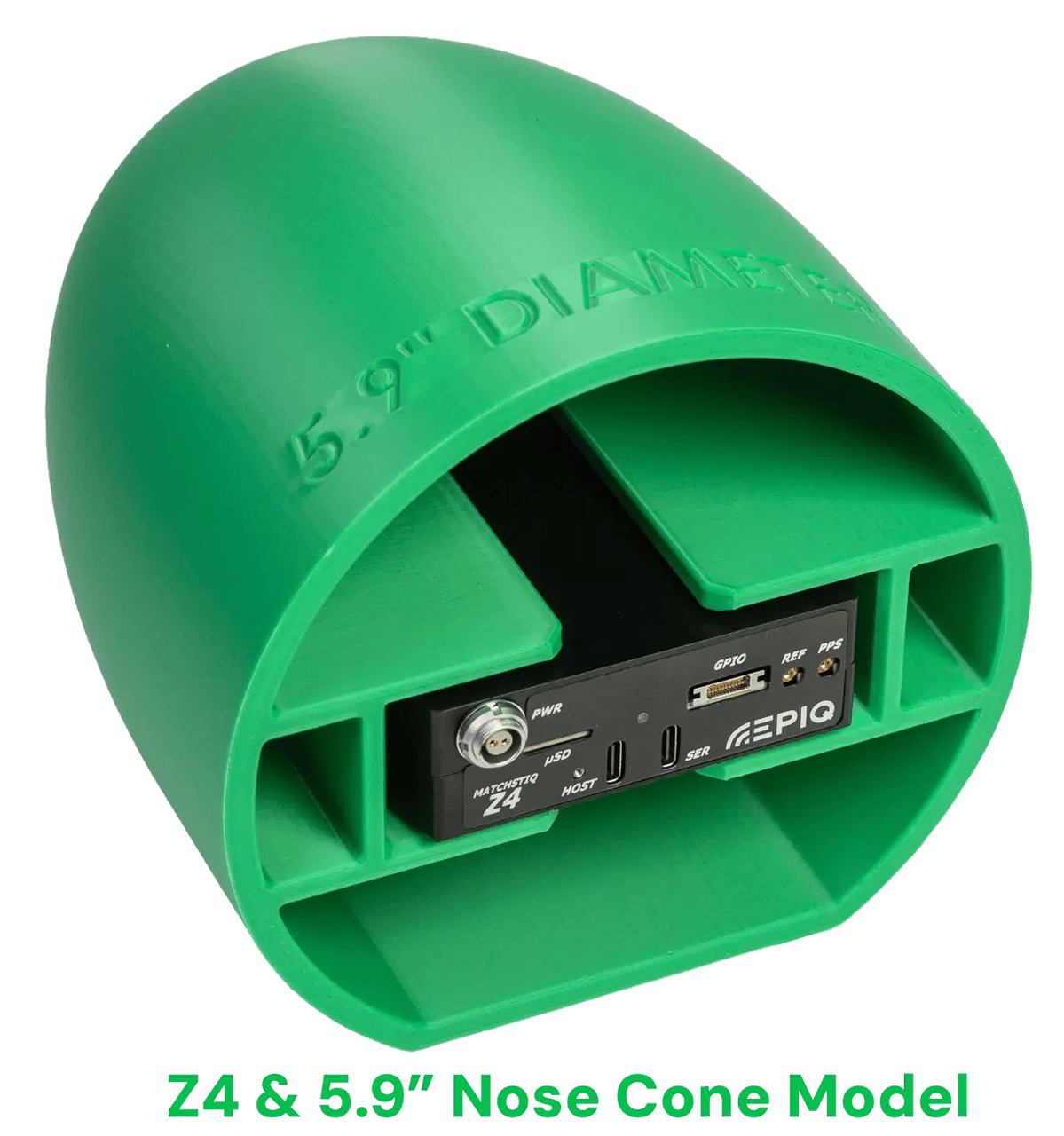
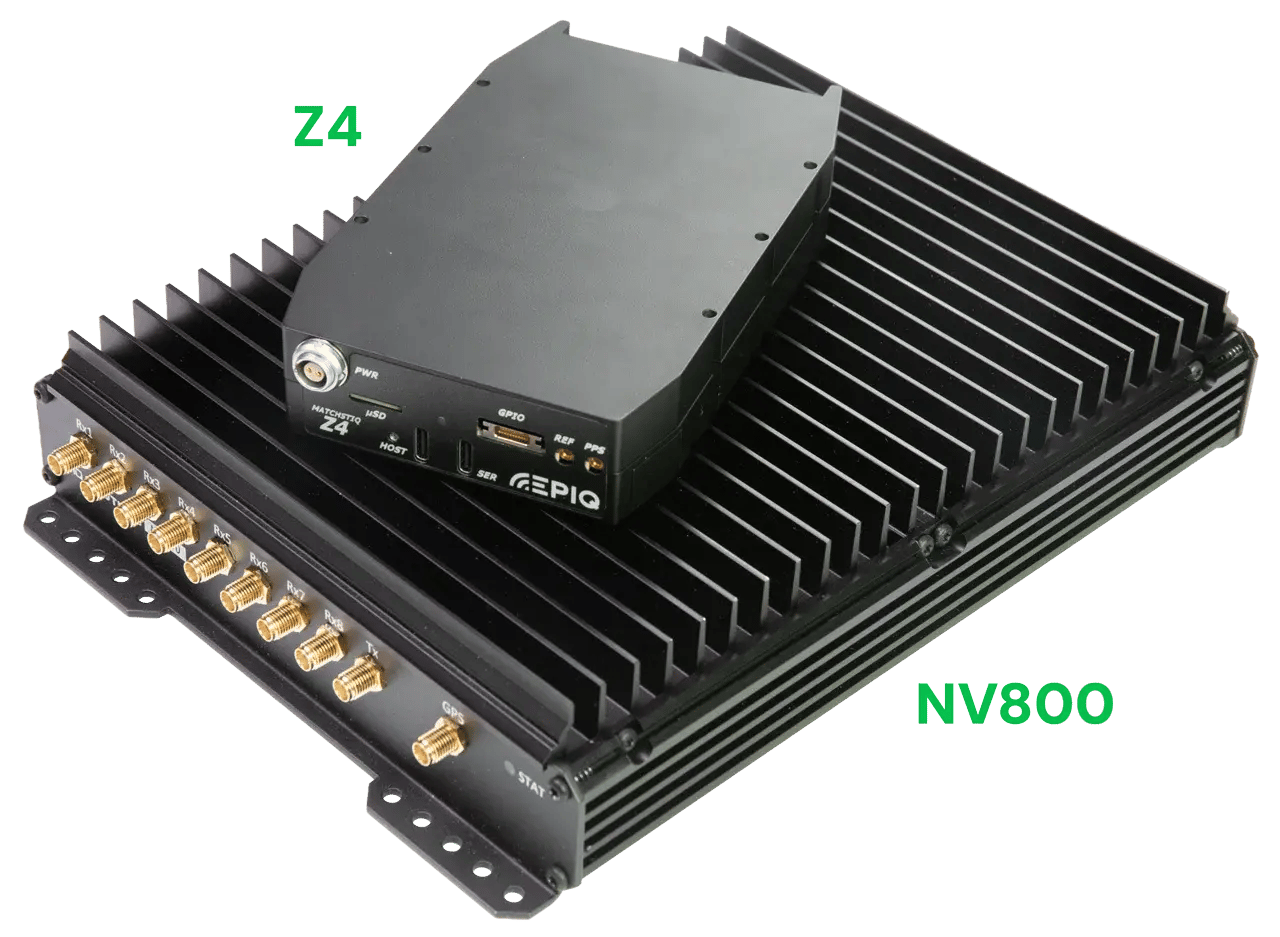
Matchstiq™ Z4
compared spec
Matchstiq™ Z2
RF COVERAGE
45 MHz to 6 GHz
BANDWIDTH
Up to 50 MHz per channel
RECEIVERS
1
TRANSMITTERS
1
INTEGRATED FPGA
AMD Zynq XC7Z010-2I System-on-Chip
FORM FACTOR
3.44” x 2.44” x 0.56”
I/O
USB 2.0 OTG interface
POWER CONSUMPTION
2.5 W (typical usage)
Matchstiq™ Z3u
RF COVERAGE
45 MHz to 6 GHz
BANDWIDTH
Up to 50 MHz per channel
RECEIVERS
Up to 2
TRANSMITTERS
1
INTEGRATED FPGA
AMD® Zynq® Ultrascale+ ZU3EG System-on-Chip
FORM FACTOR
2.64" x 3.63" x 0.81"
I/O
USB 3.0 OTG interface + GPSDO
POWER CONSUMPTION
Under 6 W (typical usage)
Matchstiq™ Z4
RF COVERAGE
10 MHz to 6 GHz
BANDWIDTH
Up to 50 MHz per channel
RECEIVERS
Up to 4
TRANSMITTERS
Up to 4
INTEGRATED FPGA
AMD® Zynq® Ultrascale+ ZU7 System-on-Chip
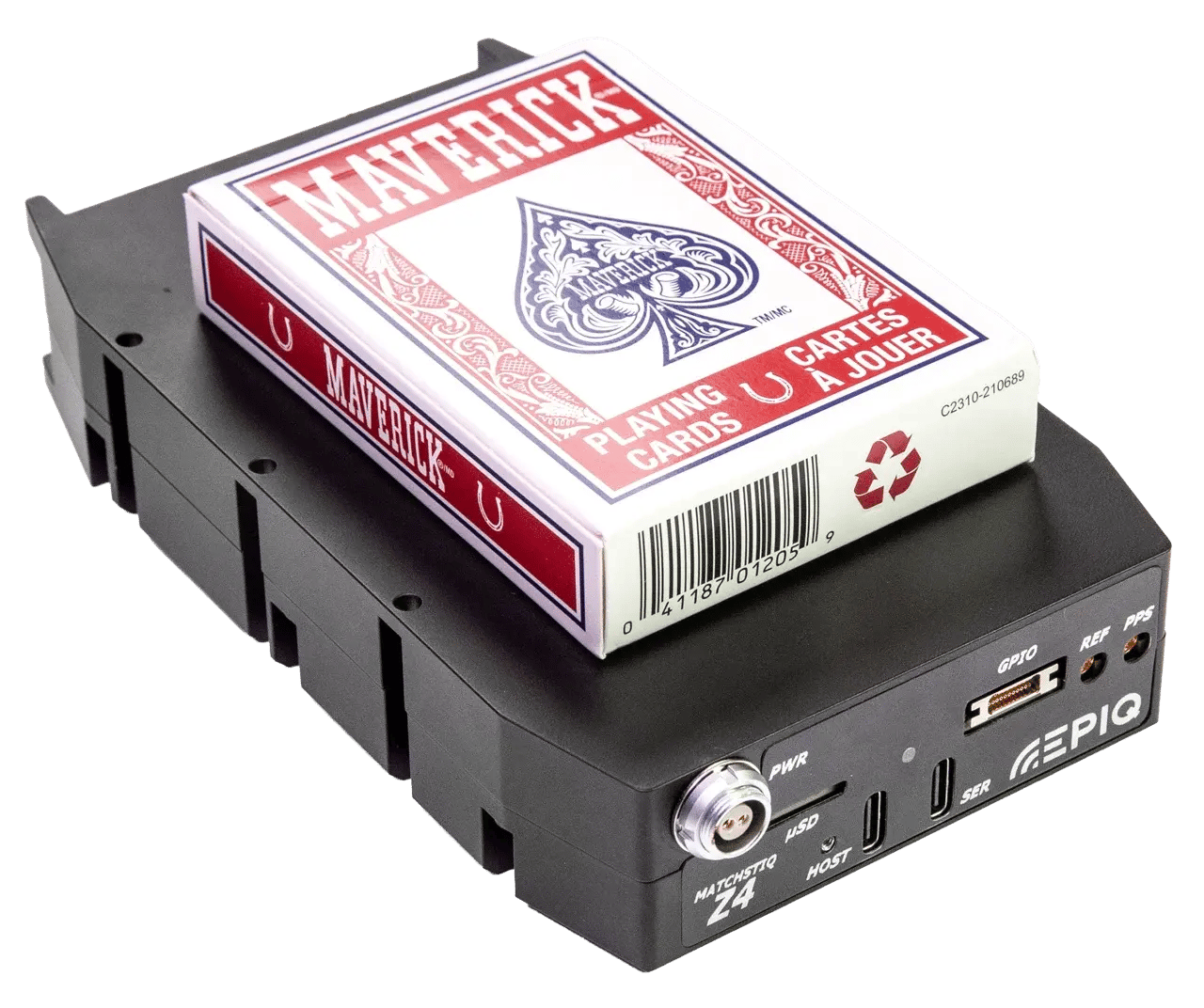
FORM FACTOR
6.0” x 3.5” x 1.14”
I/O
USB 3.0 OTG interfaces + GPSDO etc.
POWER CONSUMPTION
10-20 W (typical usage)
Resources
Datasheets
Epiq - datasheet - Matchstiq™ Z4
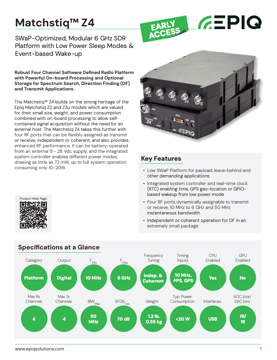
The Matchstiq™ Z4 builds on the strong heritage of the Epiq Matchstiq Z2 and Z3u models which are valued for their small size, weight, and power consumption combined with on-board processing to allow selfcontained signal acquisition without the need for an external host.
Application notes
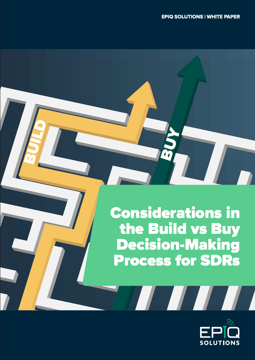
Considerations in the Build vs Buy Decision-Making Process for SDRs
The flexibility and enhanced performance offered by software-defined radios (SDRs) in RF transceiver applications is driving an increased demand for their use across many industries such as defense, telecom, aerospace, and government.
Case studies
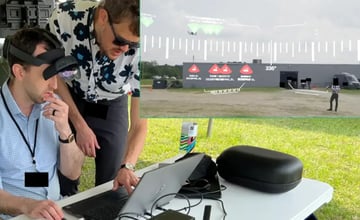
Powering Next-Gen Direction Finding Through Generative AI
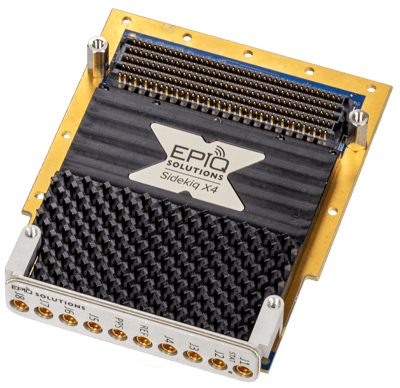
Interested in delving into the synergy of AI and advanced RF sensing solutions? Learn how the integration of Epiq's Sidekiq™ X4 and DeepSig's ML models provided a unique solution for spectrum awareness and RF signal detection, particularly in naval operations.
Open-source repositories
Blog
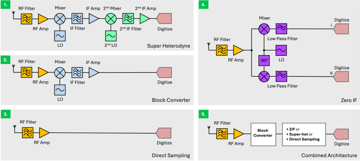
Software Defined Radios – Which RF Architecture Should I Choose?
Choosing the right RF architecture is critical for SDR performance. From Superheterodyne to Direct Sampling, each offers unique trade-offs in size, power, and capability. Discover which architecture best fits your mission needs—register now to access the full article.
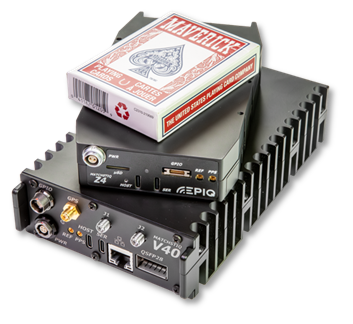
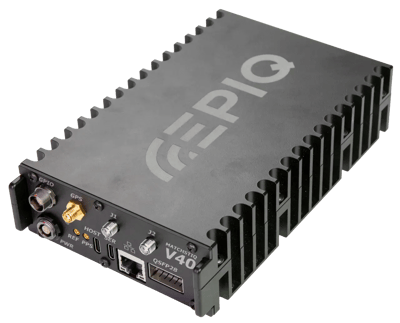
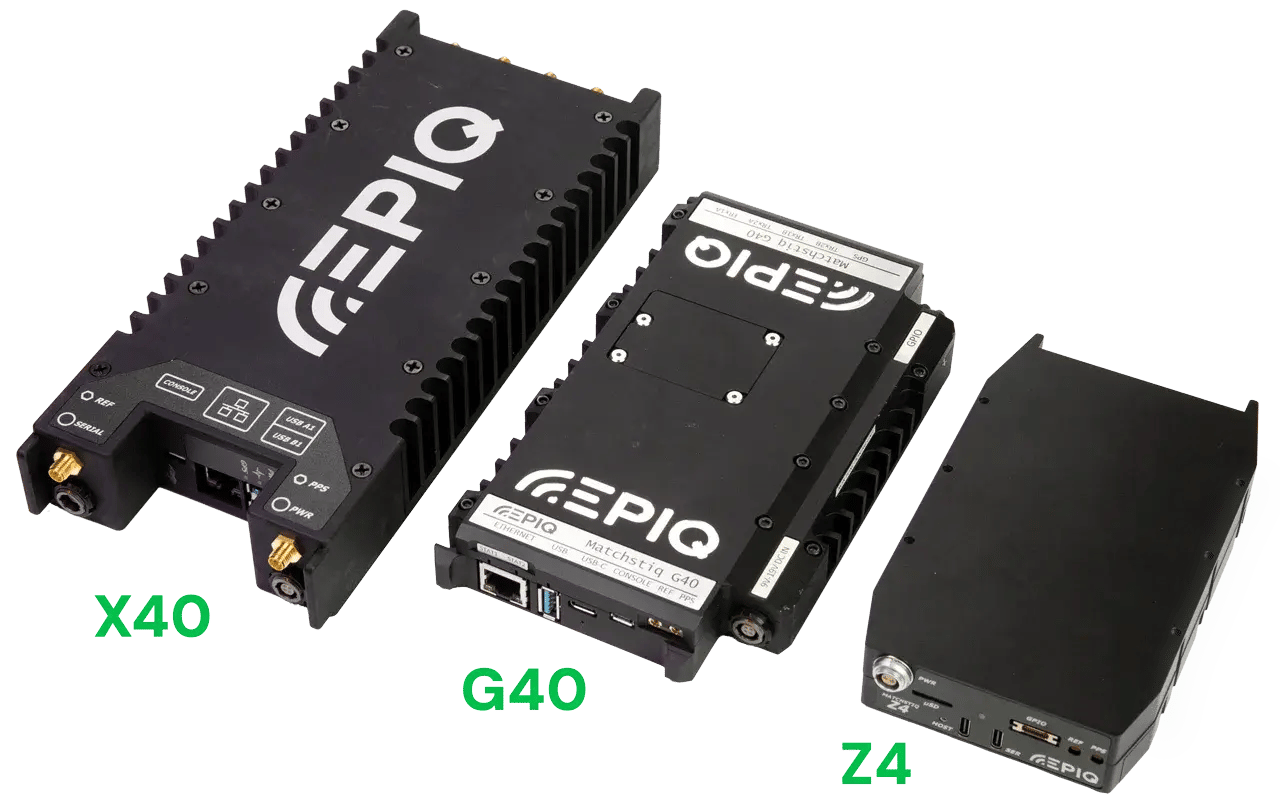
Expanding Epiq’s SDR Platform Footprint: Introducing Matchstiq Z4 and V40
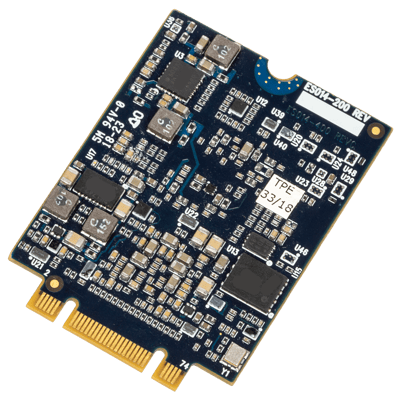
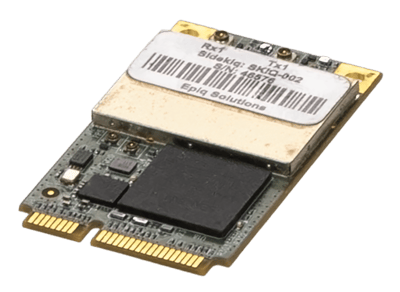
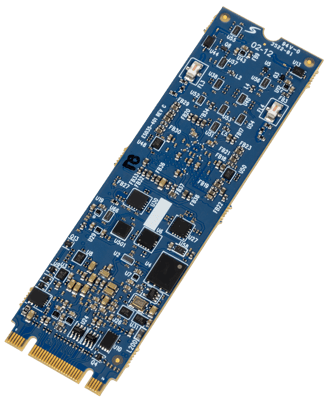
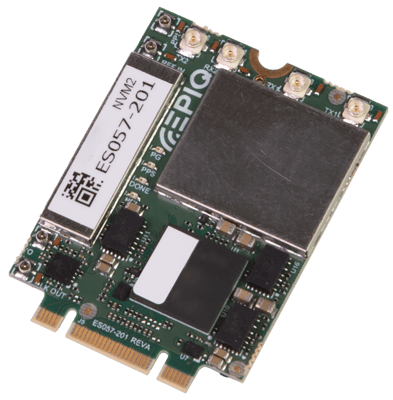
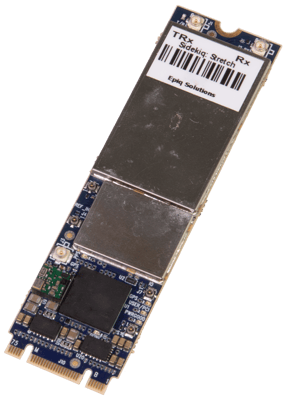
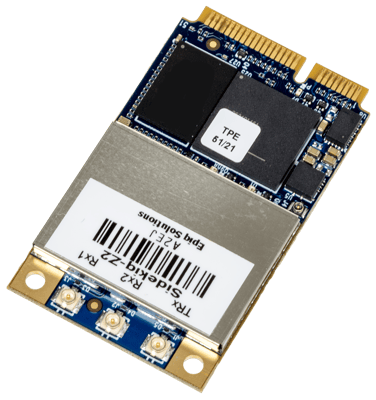
Since our founding back in 2009, Epiq has strived to provide our customers with unique and differentiated RF and SDR capability in small size, weight, and power (SWaP) form factors. In the early days, this was represented in our M.2 and MiniPCIe products that provided full SDR sub-systems in a stick of gum size card that weighed less than 10 grams and consumed less than 3W. Over the years customers have continued to ask Epiq for more – more bandwidth, more frequency coverage, more channels, and more processing – while still keeping SWaP as small as possible.