
.webp?length=400&name=Cyber-Radio-NDR585%20(3).webp)

.webp?width=70&height=70&name=Vector%20(1).webp)





compared spec
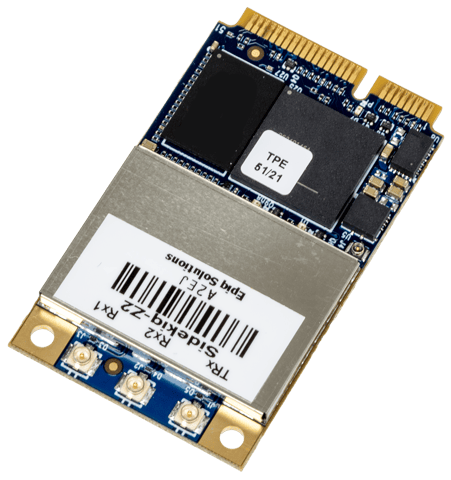
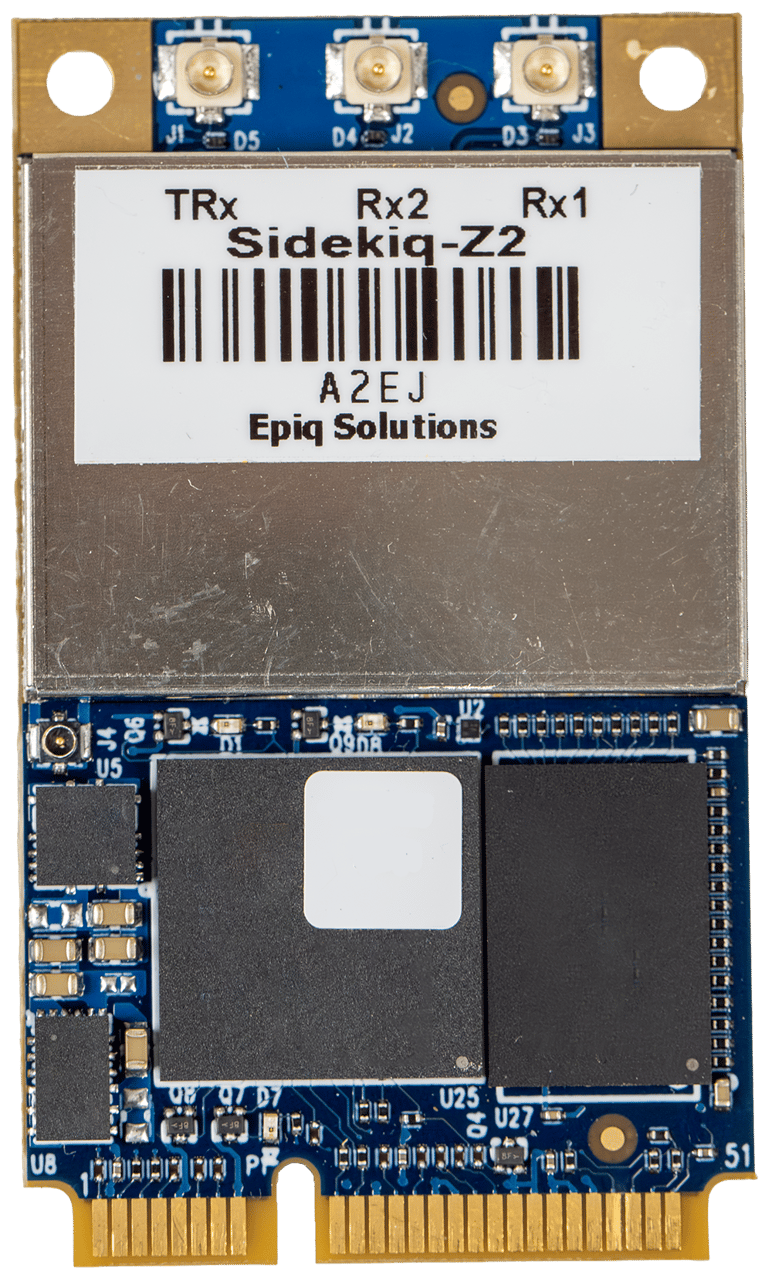
Sidekiq™ Z2
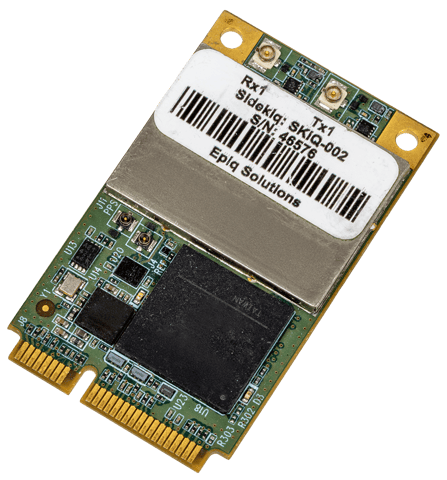
Sidekiq™ MINI PCIE
(30 mm x 51 mm x 5 mm)
(30 mm x 51 mm x 5 mm)
compared spec
-237px.png?length=480&name=sidekiq-z2(4)-237px.png)
SIDEKIQ™ Z2
RF COVERAGE
BANDWIDTH
RECEIVERS
TRANSMITTERS
INTEGRATED FPGA
FORM FACTOR
Mini PCIe card
(30 mm x 51 mm x 5 mm)
I/O
POWER CONSUMPTION
-transformed-optimized.webp?length=480&name=image_69_(2)-transformed-optimized.webp)
SIDEKIQ™ MINI PCIE
RF COVERAGE
BANDWIDTH
RECEIVERS
TRANSMITTERS
INTEGRATED FPGA
FORM FACTOR
Mini PCIe card
(30 mm x 51 mm x 5 mm)
I/O
POWER CONSUMPTION
Resources
Datasheets
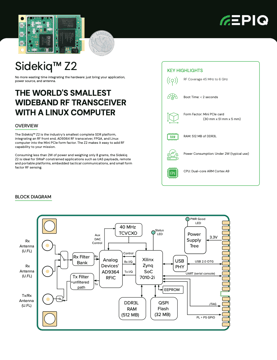
Epiq - datasheet - Sidekiq™ Z2
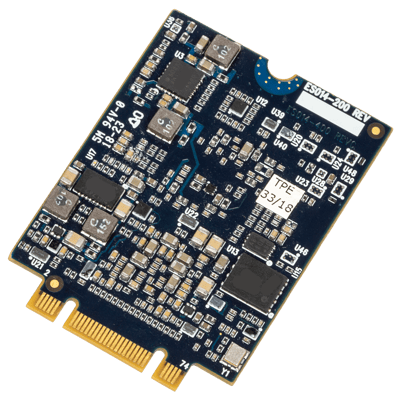
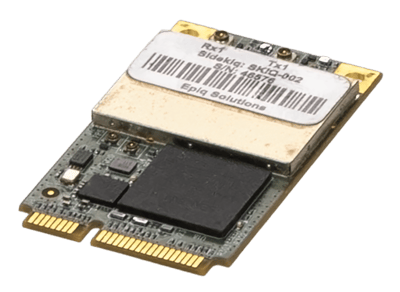
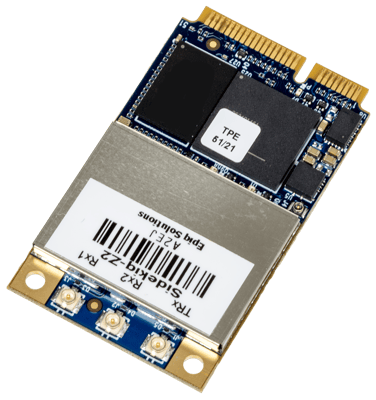
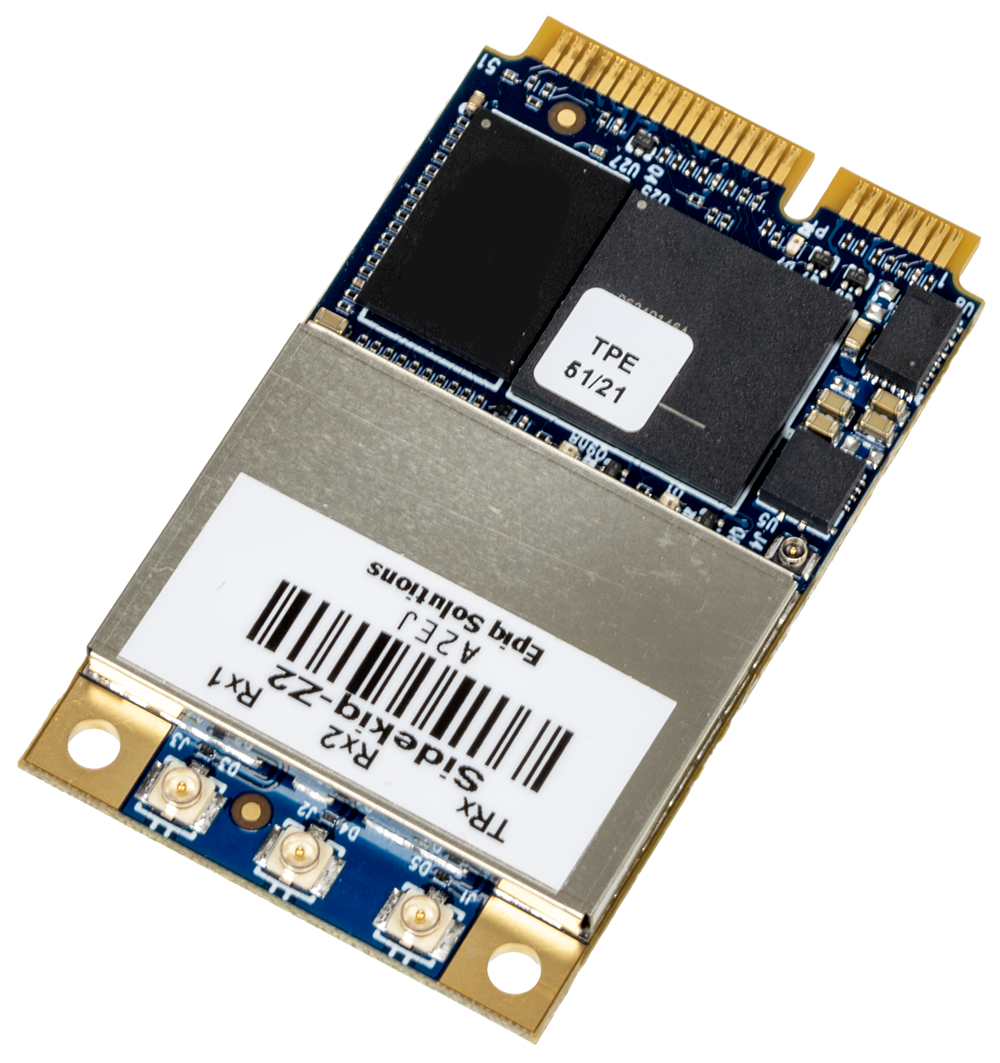
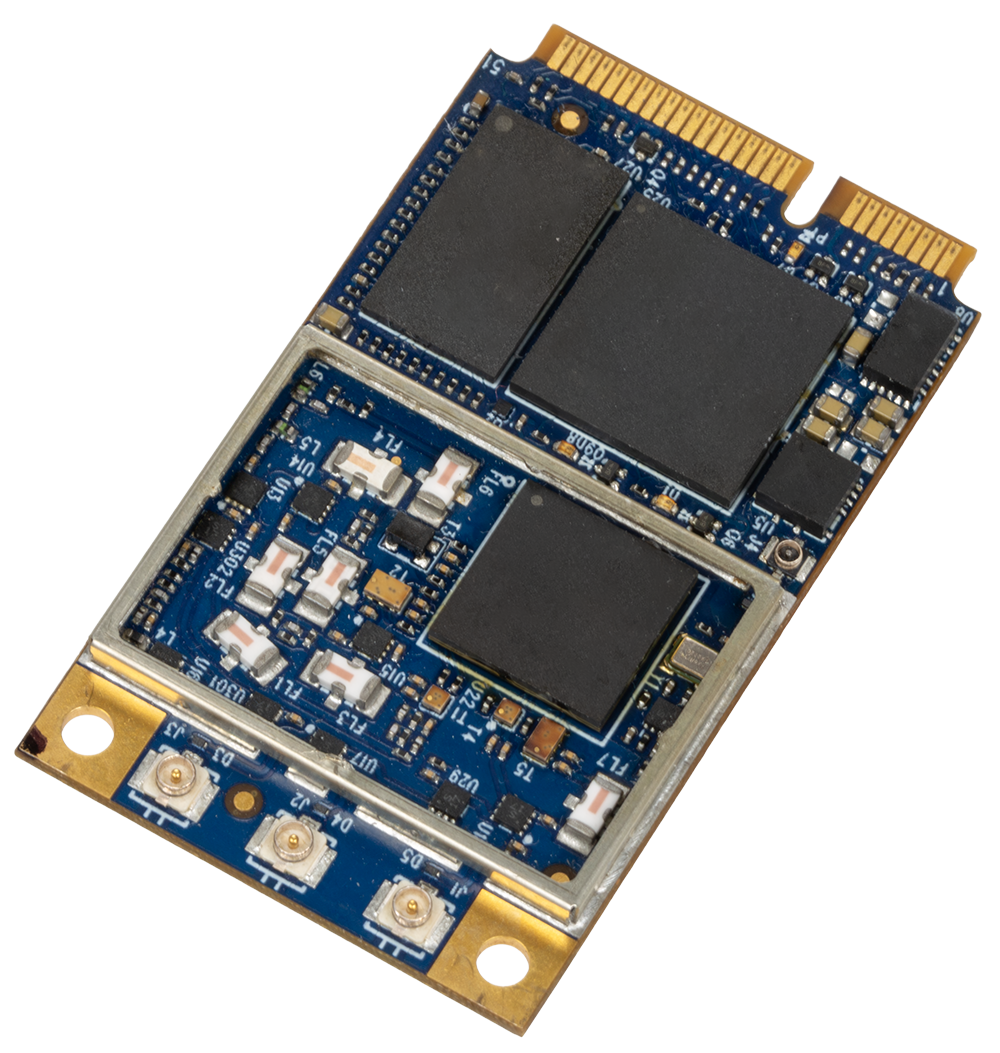
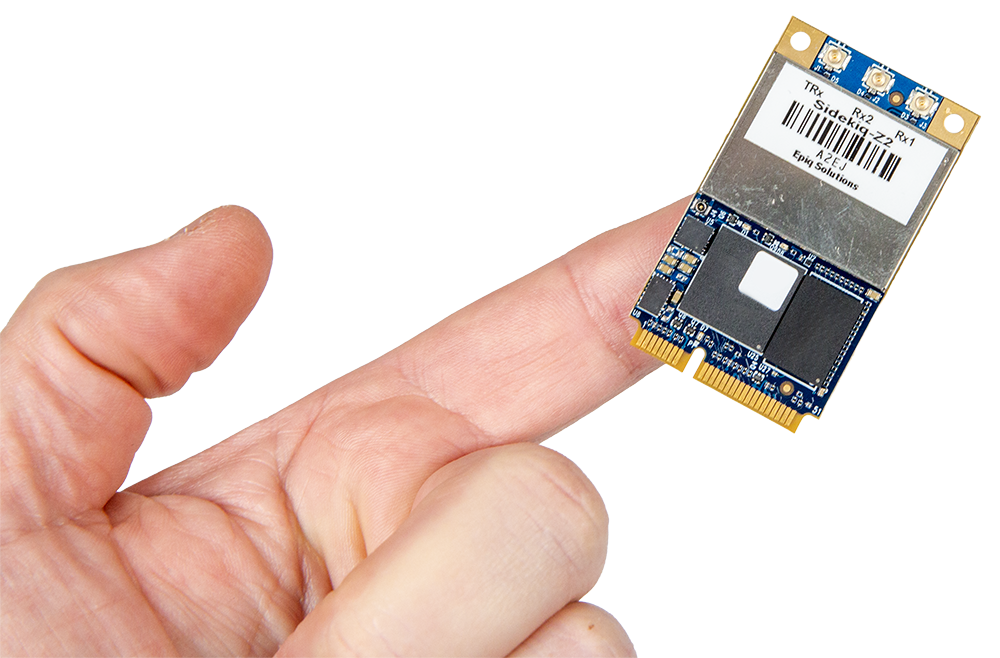
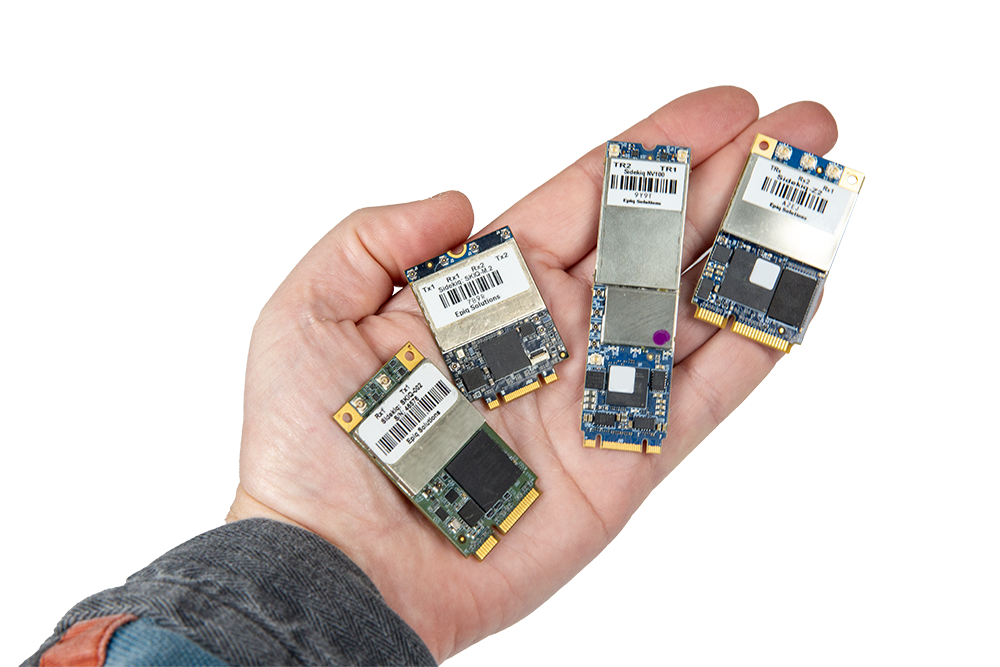
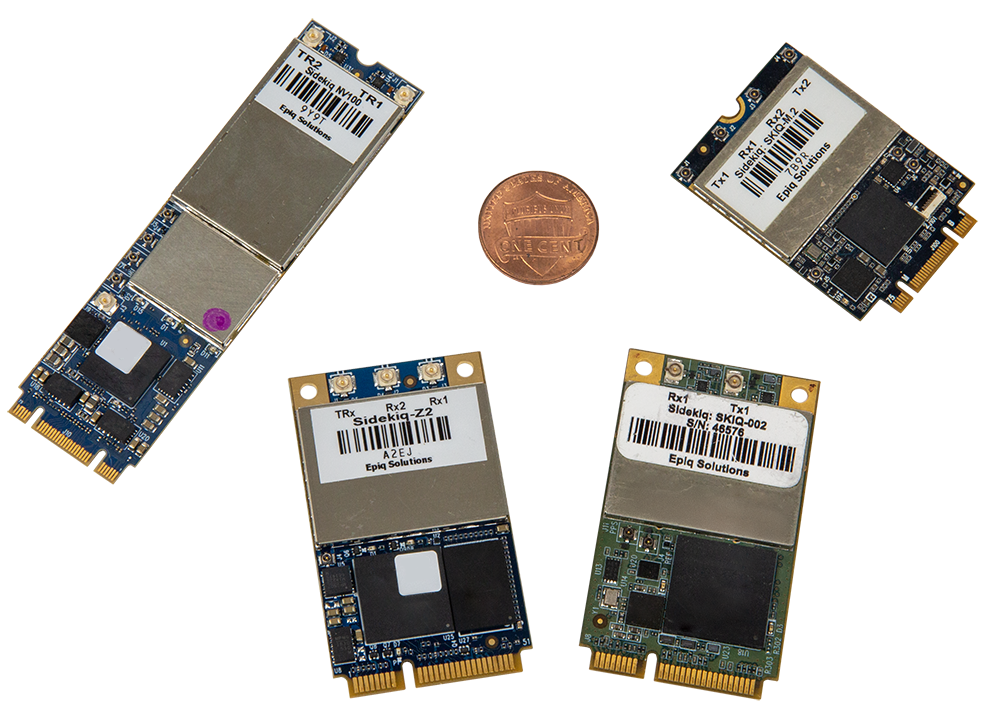
The Sidekiq™ Z2 is the industry’s smallest complete SDR platform, integrating an RF front end, AD9364 RF transceiver, FPGA, and Linux computer into the Mini PCIe form factor. The Z2 makes it easy to add RF capability to your mission. Consuming less than 2W of power and weighing only 8 grams, the Sidekiq Z2 is ideal for SWaP constrained applications such as UAS payloads, remote and portable platforms, embedded tactical communications, and small form factor RF sensing
Application notes
Squeezing the Balloon: Effective SDR Power Budgeting to Maximize UxS Range & Cap
Software Defined Radios (SDRs) are the Swiss army knives of spectrum battlefield situational awareness. Their uses range from satellite communications (SATCOM) and signals intelligence (SIGINT), to direction finding (DF), radar, jamming and many more besides. Even small drones are upgrading capabilities from only visible spectrum cameras to much more advanced capabilities using SDRs.
UAS Trends
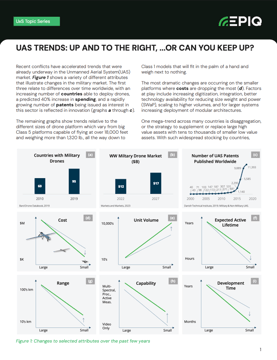
Recent conflicts have accelerated trends that were already underway in the Unmanned Aerial System(UAS) market. Figure 1 shows a variety of different attributes that illustrate changes in the military market. The first three relate to differences over time worldwide, with an increasing number of countries able to deploy drones, a predicted 40% increase in spending, and a rapidly growing number of patents being issued as interest in this sector is reflected in innovation (graphs a through c).
UxS Challenges, EPIQ Solutions
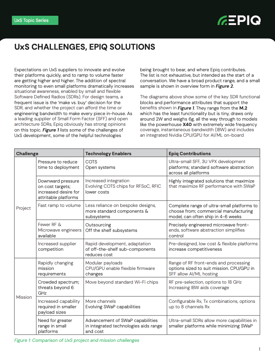
Expectations on UxS suppliers to innovate and evolve their platforms quickly, and to ramp to volume faster are getting higher and higher. The addition of spectral monitoring to even small platforms dramatically increases situational awareness, enabled by small and flexible Software Defined Radios (SDRs). For design teams, a frequent issue is the ‘make vs. buy’ decision for the SDR, and whether the project can afford the time or engineering bandwidth to make every piece in-house. As a leading supplier of Small Form Factor (SFF) and open architecture SDRs, Epiq obviously has strong opinions on this topic
UxS Payload Form Factors
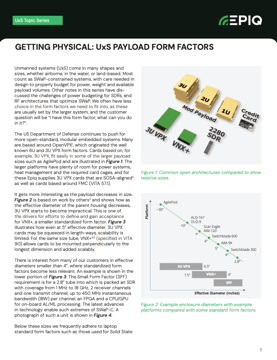
Unmanned systems (UxS) come in many shapes and sizes, whether airborne, in the water, or land-based. Most count as SWaP-constrained systems, with care needed in design to properly budget for power, weight and available payload volumes. Other notes in this series have discussed the challenges of power budgeting for SDRs, and RF architectures that optimize SWaP. We often have less choice in the form factors we need to fit into, as these are usually set by the larger system, and the customer question will be “I have this form factor, what can you do in it?”.
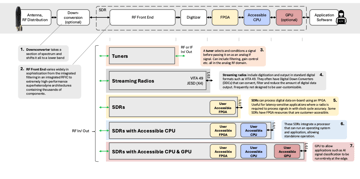
Which RF Architecture Should I Choose
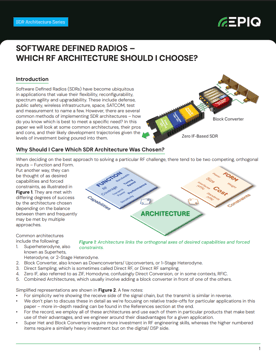
Software Defined Radios (SDRs) have become ubiquitous in applications that value their flexibility, reconfigurability, spectrum agility and upgradability. These include defense, public safety, wireless infrastructure, space, SATCOM, test and measurement to name a few. However, there are several common methods of implementing SDR architectures – how do you know which is best to meet a specific need?

Will it blend? Finding the Right Host Computer for an Embedded SDR
When developing an RF-based product, SDR selection is important. It rightfully gets a lot of attention – RF performance, number of receiver/transmitter channels, size, power consumption, and security are just a few of the considerations – but selecting the appropriate compute platform deserves equal (if not more) consideration to ensure the success of a product

Considerations in the Build vs Buy Decision-Making Process for SDRs
The flexibility and enhanced performance offered by software-defined radios (SDRs) in RF transceiver applications is driving an increased demand for their use across many industries such as defense, telecom, aerospace, and government.
Case studies
Open-source repositories

Blog

Enabling the Development of a Long-Range Mesh Network Radio with Sidekiq Z2 Software-Defined Radio (SDR)
Test data retrieval becomes a mission-critical issue in the field. SDRs can enable mesh networks to retrieve mission-critical test data during military applications tests in remote areas.

Doing More With Less: The Evolution of the World’s Smallest Software-Defined Radio (SDR)
Epiq Solutions’ Sidekiq Z2, the world's smallest SDR, proves it is possible to do more with less. Sidekiq Z2 has shortens time-to-market and simplifies product development so engineers can focus on their applications instead of RF design.

Command and Control is Big Business: Understanding 5G's Impact on Command and Control Military Applications
The DoD is investing in 5G technologies to aid military C2 operations. Examining potential uses of 5G and NextG technology, and how Open RAN can accelerate innovation.
Wi-Fi 6, Wi-Fi 6E and Detection
Throughout the last decade, Wi-Fi has undergone some major changes and upgrades. Wi-Fi 6 — or 802.11ax — is the latest iteration of wireless fidelity technology.

The Next Generation of Wireless Situational Awareness
FlyingFox was developed in conjunction with the U. S. Naval Research Laboratory and provides full spectrum insight to detect and locate Wi-Fi, Bluetooth, and cellular signals.

Managing Our Supply Chain in Challenging Times
Supply chain shortages are hitting electronics components particularly hard. Read this post for tips on how to manage in these challenging times.
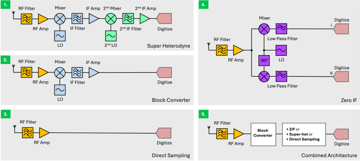
Software Defined Radios – Which RF Architecture Should I Choose?
Choosing the right RF architecture is critical for SDR performance. From Superheterodyne to Direct Sampling, each offers unique trade-offs in size, power, and capability. Discover which architecture best fits your mission needs—register now to access the full article.
User Manuals
Epiq Sidekiq API
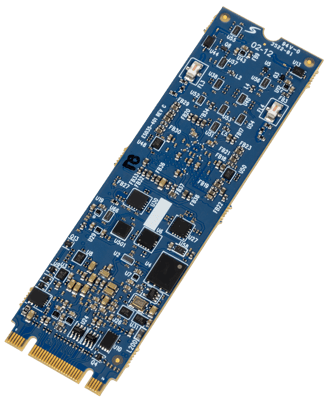
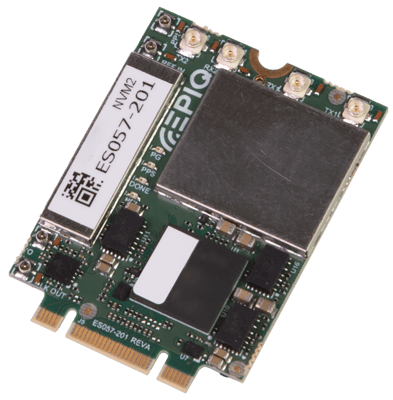
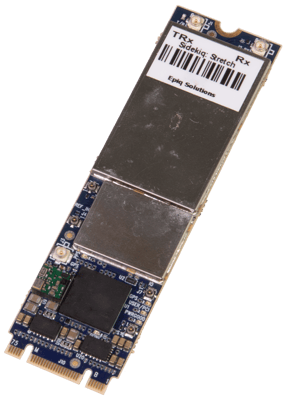
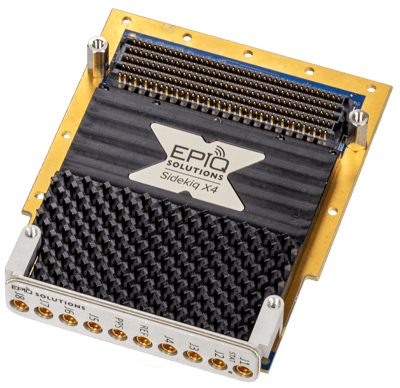
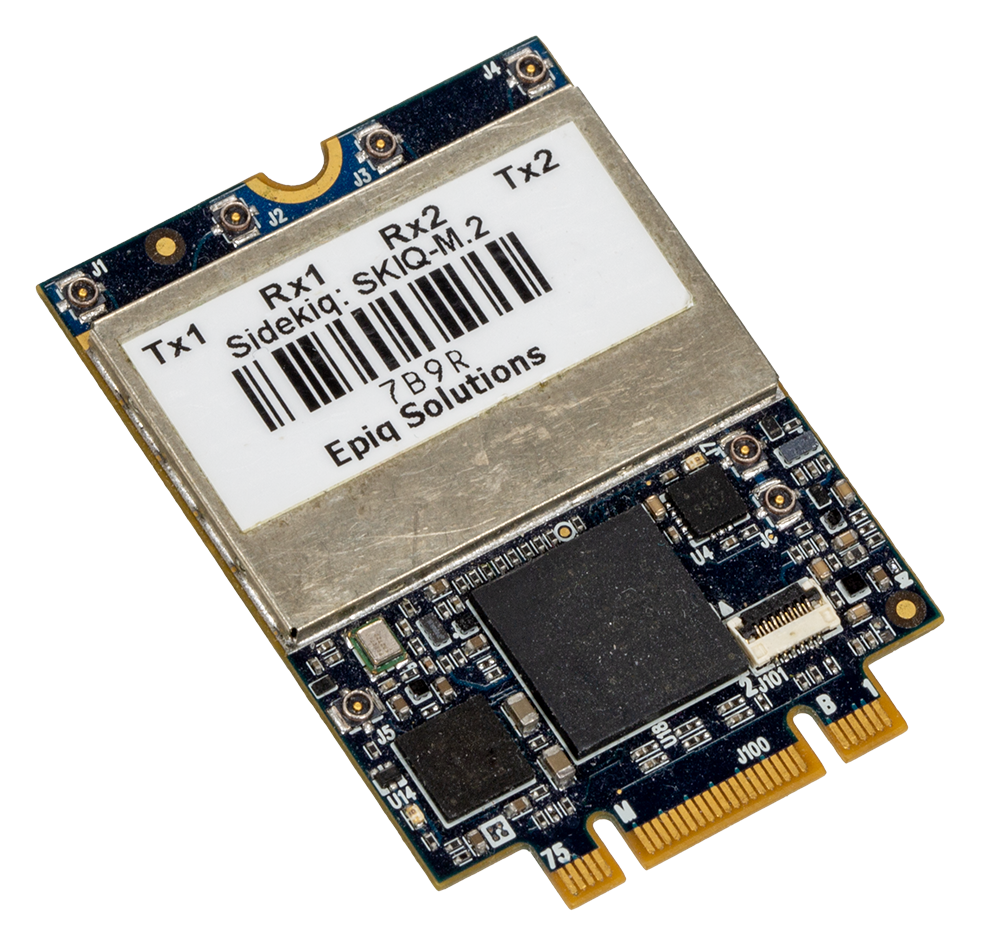
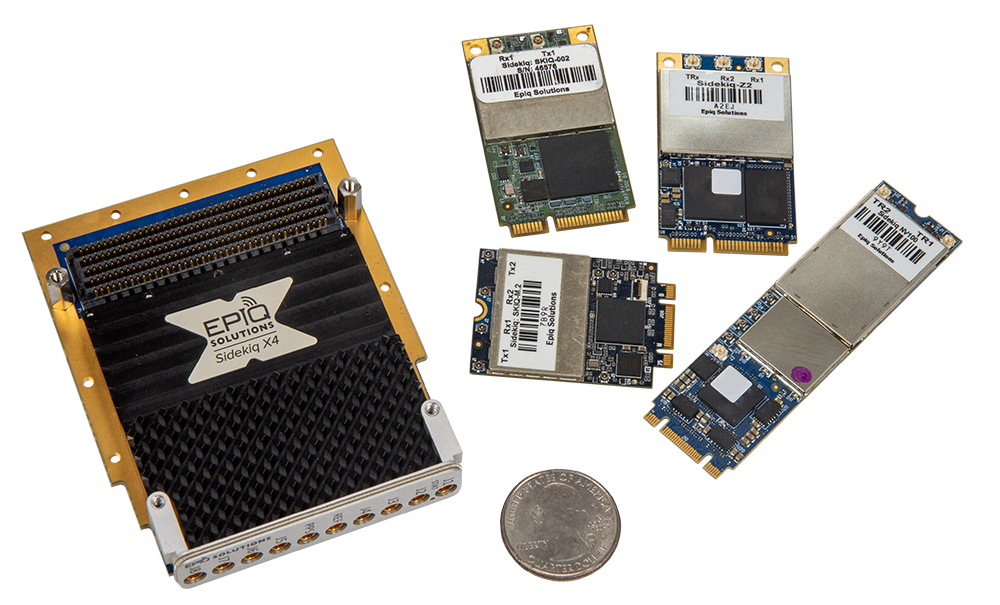
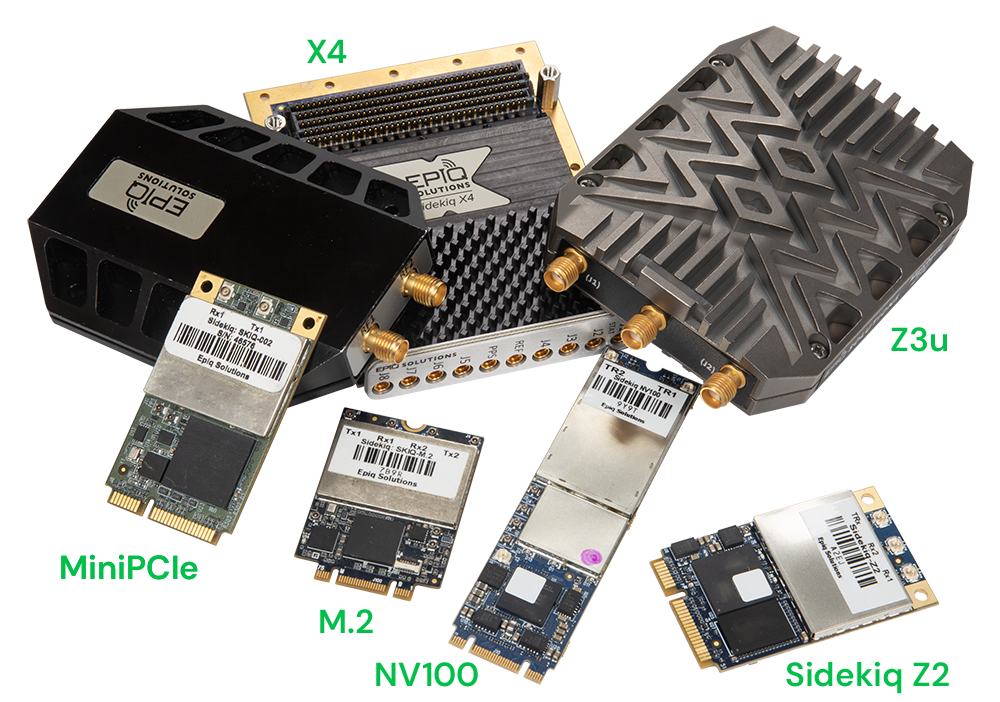
Sidekiq is a software defined radio card in a MiniPCIe, M.2 (3042 and 2280), or VITA 57.1 FPGA Mezzanine Card (FMC) form factor (Sidekiq X2 and X4).
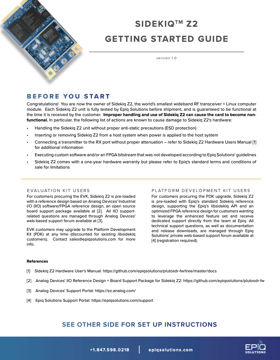
Epiq Sidekiq Z2 Getting Started Guide
Each Sidekiq Z2 unit is fully tested by Epiq Solutions before shipment, and is guaranteed to be functional at the time it is received by the customer. Improper handling and use of Sidekiq Z2 can cause the card to become nonfunctional.
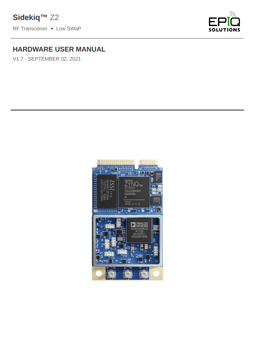
Sidekiq Z2 Hardware Users Manual
Sidekiq Z2 is a small form factor software defined radio card that provides a wideband RF transceiver plus a Linux computer in a standard MiniPCIe card module measuring 30mm x 51mm x 5mm. With the integrated Linux computer, Sidekiq Z2 is targeted for applications where the necessary signal/protocol processing tasks can execute directly on the card itself, without the necessity of a host computer platform.
Sidekiq Software Development Manual
This document provides the details required to enable a software developer to develop Linux software applications that will utilize the Sidekiq SDR.
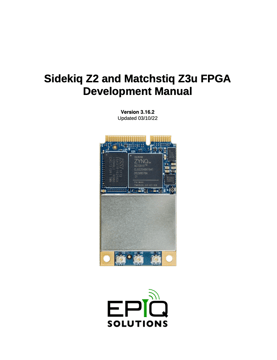
Sidekiq Z2 and Matchstiq Z3u FPGA Developer’s Manual
The Sidekiq and Matchstiq Platform Development Kit (PDK) provides the ability for users to create their own custom applications. This can be accomplished by customizing software or the RTL code that configures the FPGA. This manual gives an overview of the FPGA reference design, with the intention of empowering the user to build upon the design to create custom applications.