<img height="1" width="1" style="display:none;" alt="" src="https://px.ads.linkedin.com/collect/?pid=2960562&amp;fmt=gif">

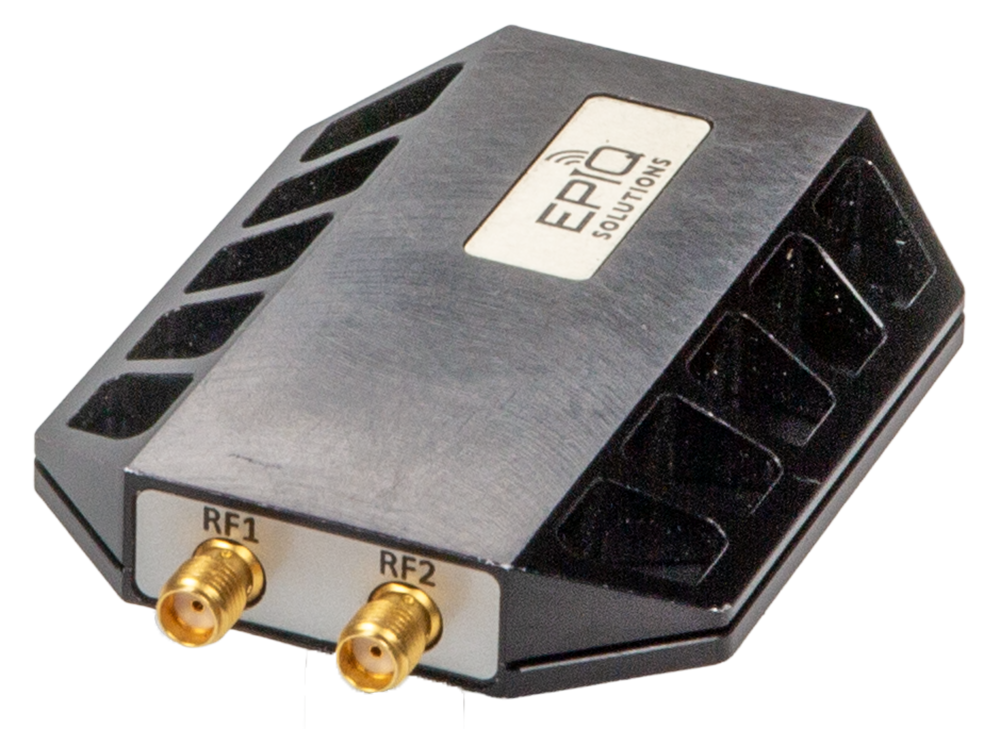
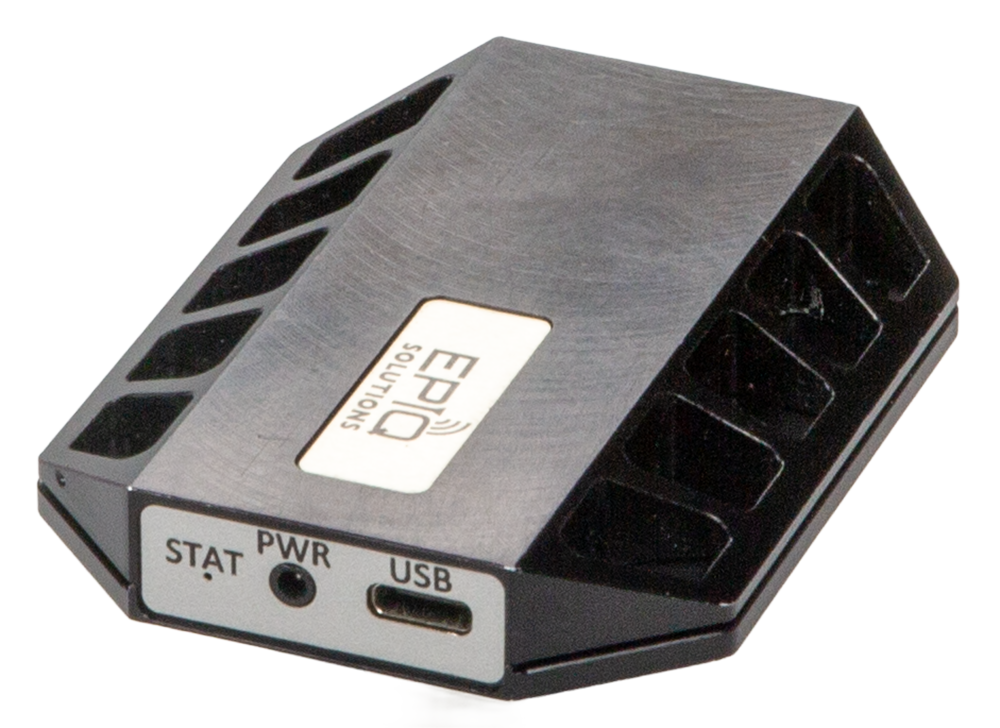
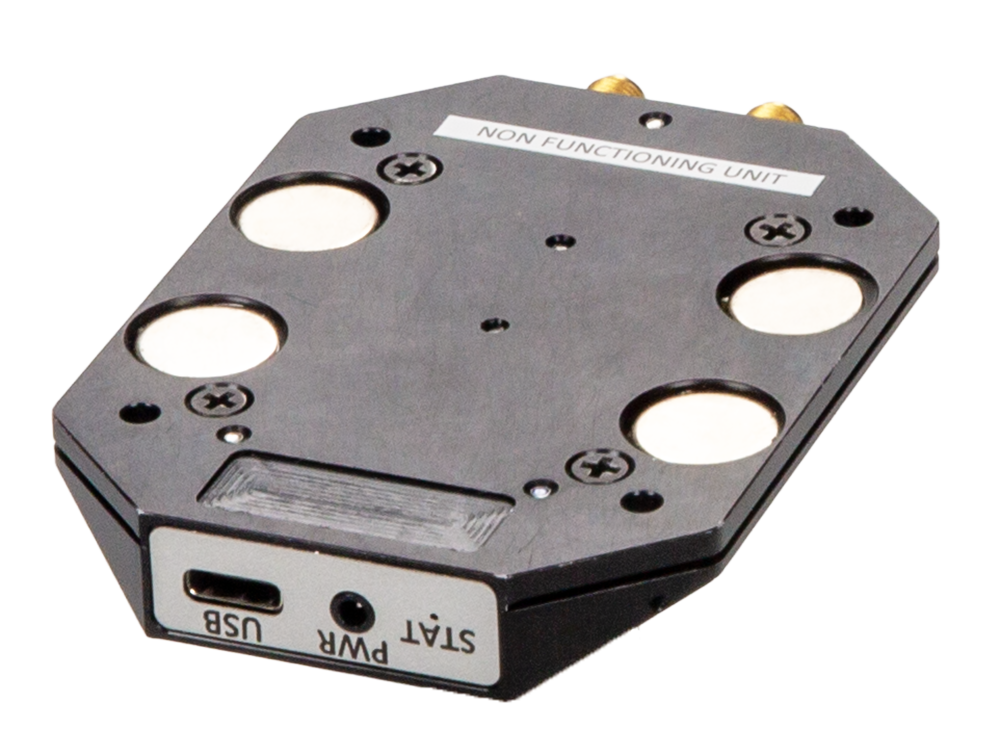
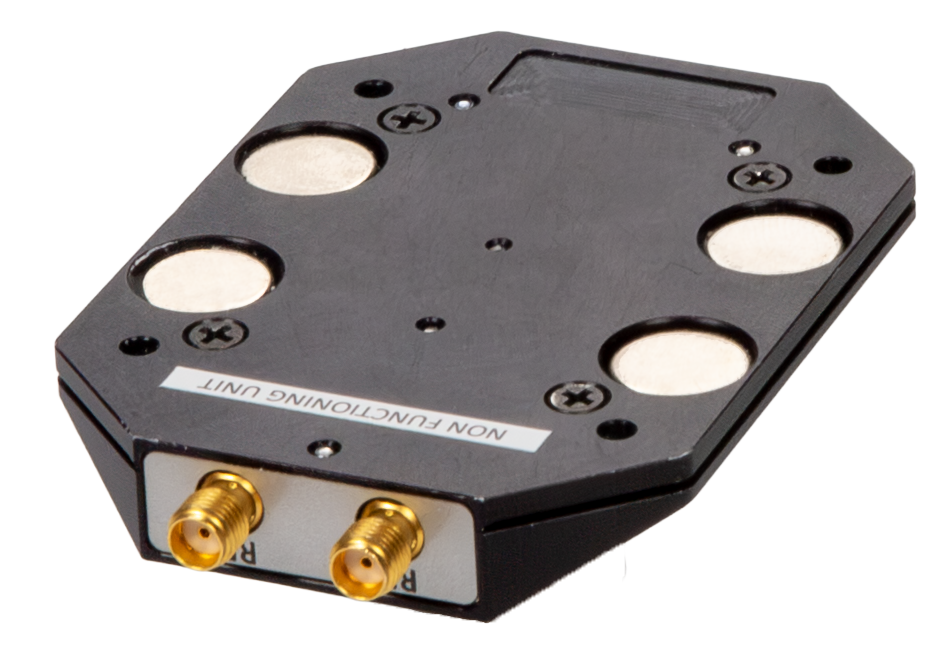
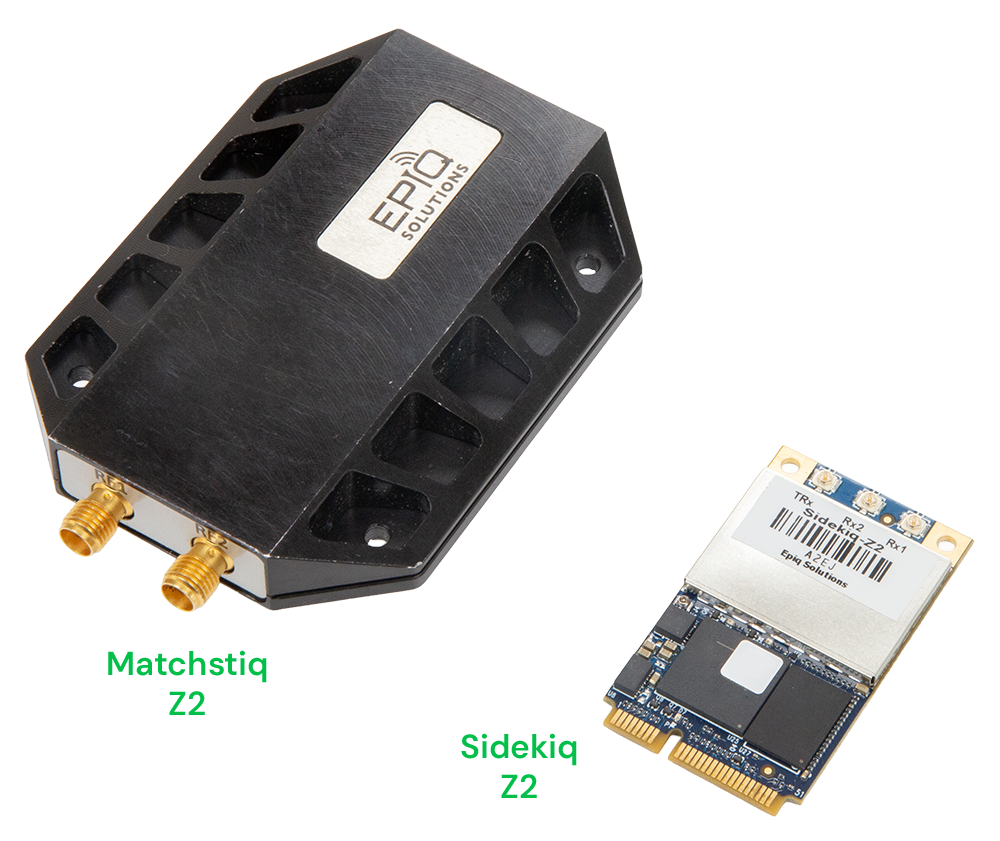
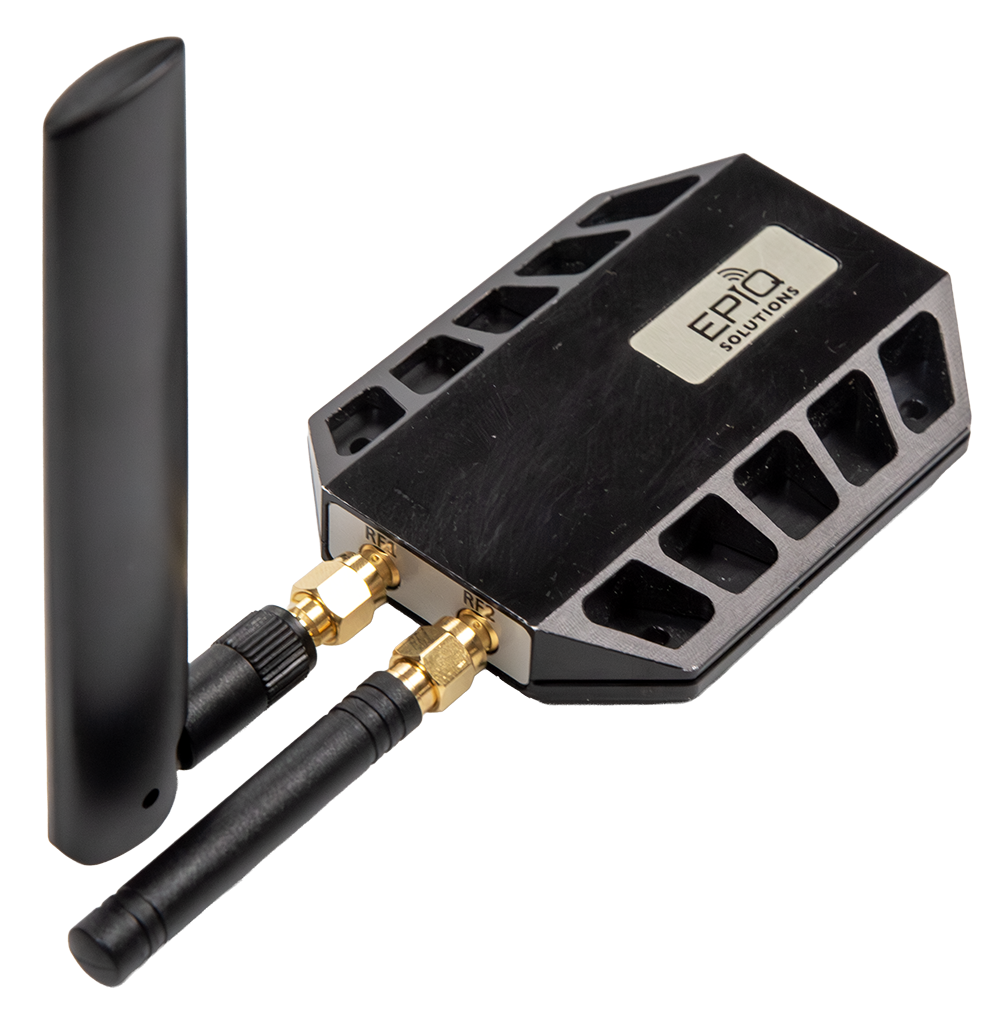
MATCHSTIQ™ Z2

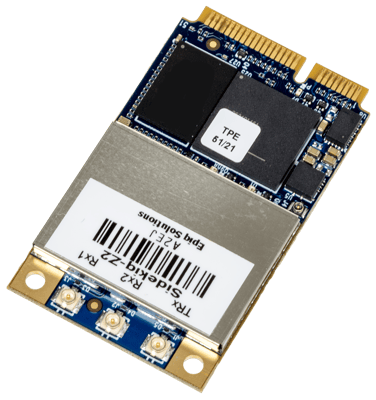
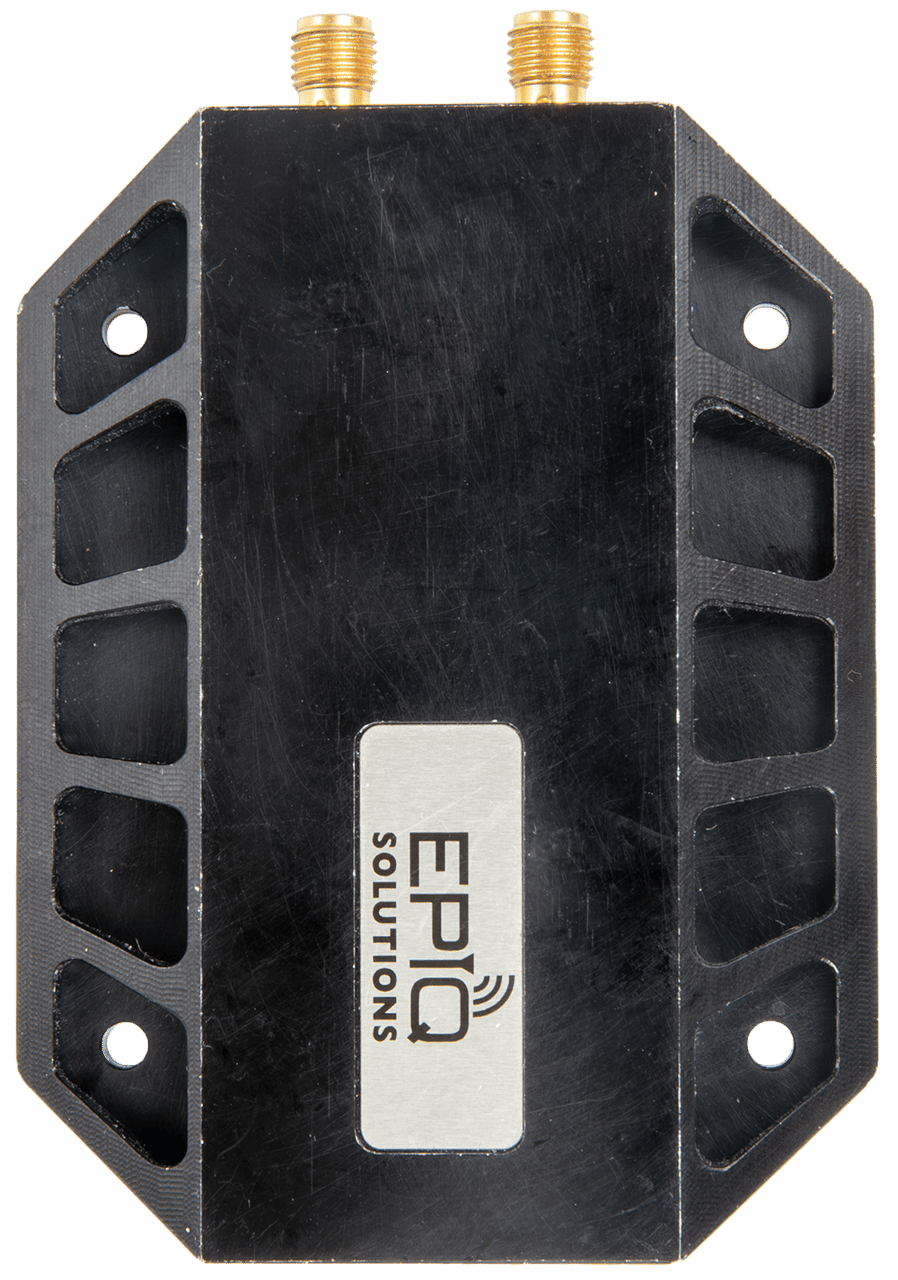
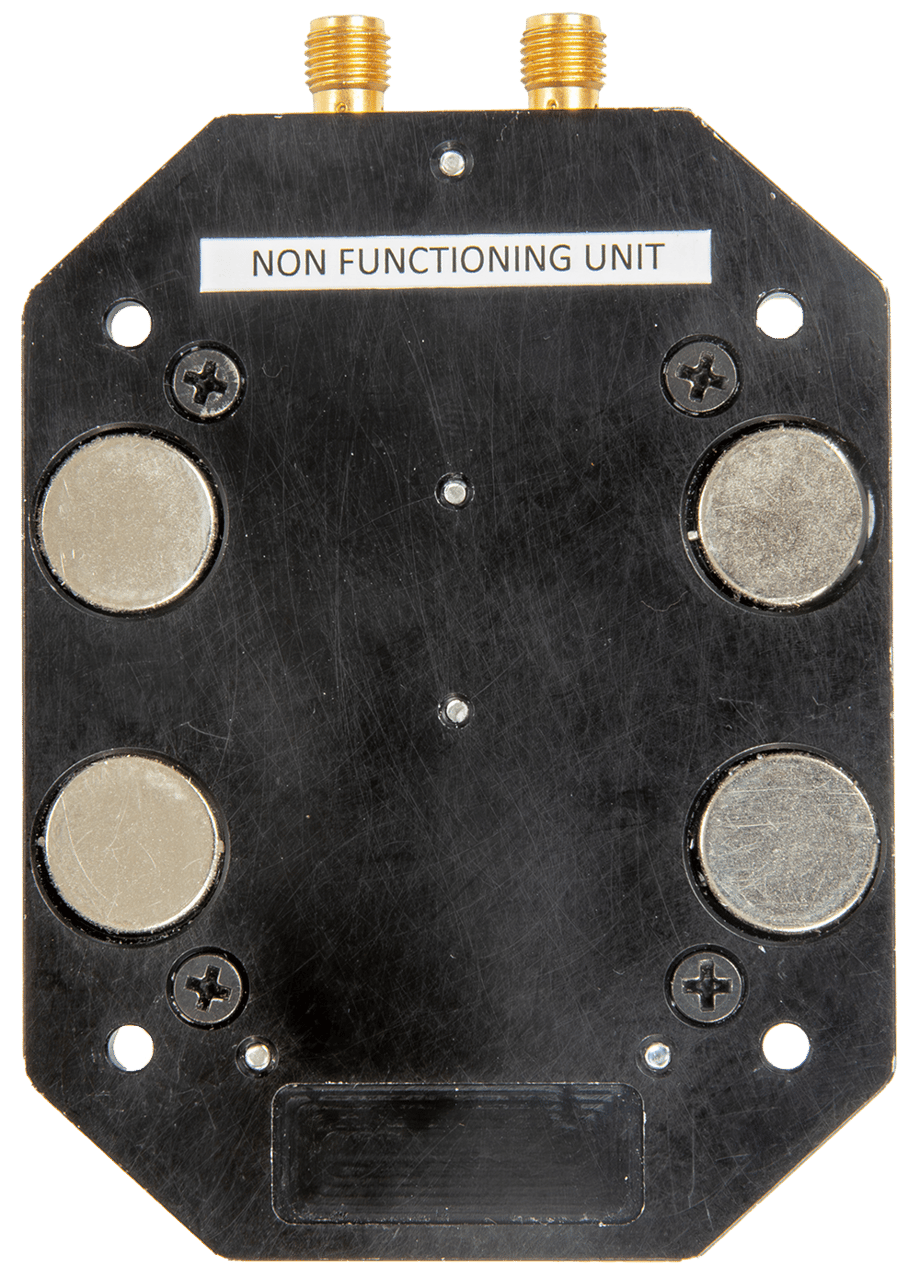
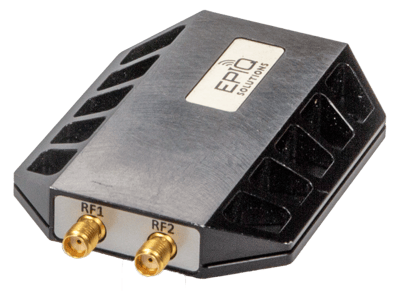
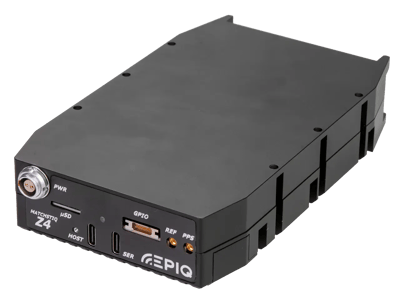
The Matchstiq™ Z Series delivers an RF transceiver plus signal processing solution in the smallest possible form factor. Complete and field-ready, this software-defined radio (SDR) platform is ideal for on-the-go signal processing applications.

Specifications

Platforms
Digital
45 MHz
6 GHz
Indep.
Rx/ Tx
40 MHz
Yes
-
1
1
50 MHz
60 dB.
3.2 oz/
91 g
2,5 W
USB
12/ 12

FEATURES

  • feature_checkmark
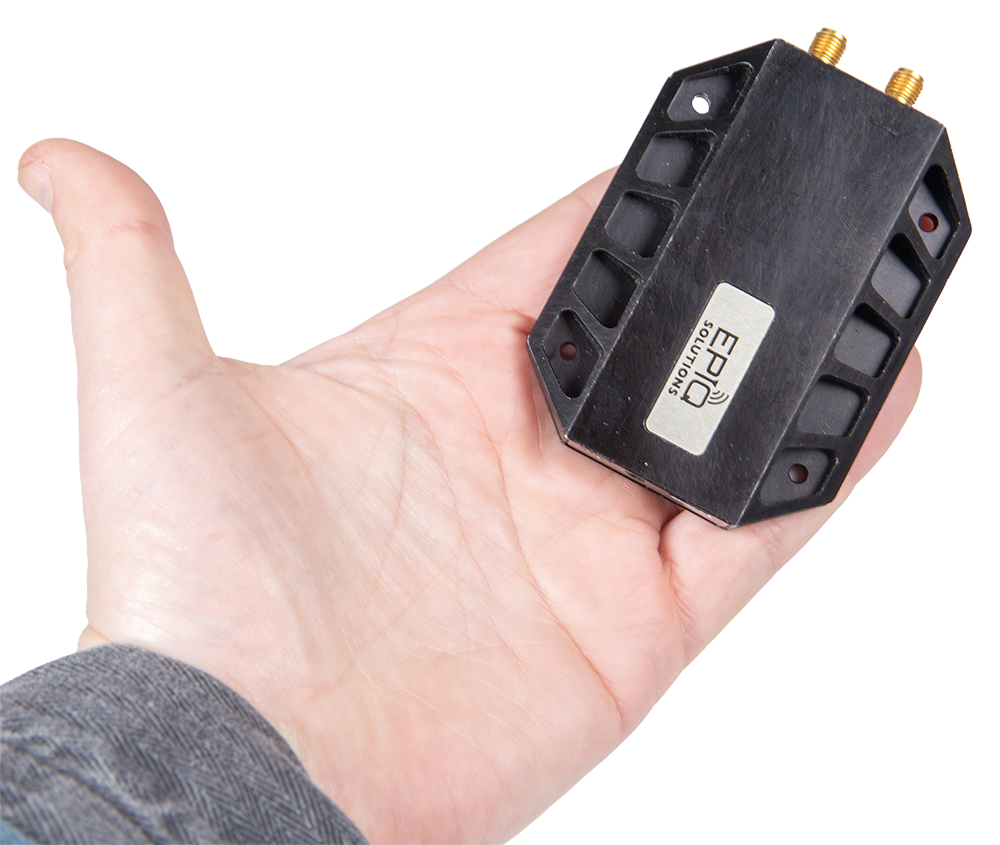
    Tiny but powerful SDR: Less than 4” x 2” x 1” and under 6 ounces
  • feature_checkmark
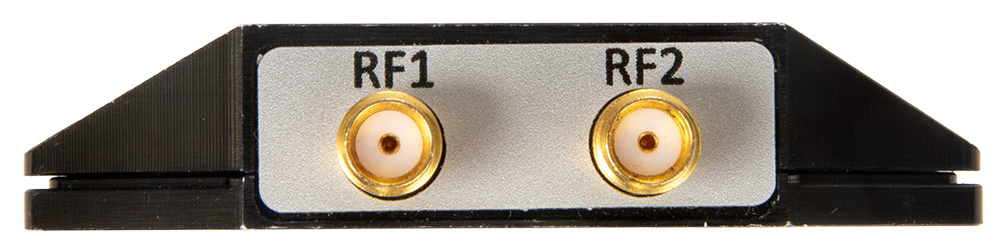
    RF: 1 Rx with four band Rx pre-select filter bank + 1 Tx
  • feature_checkmark
    Clock: 40 MHz TCVCXO ref clock with +/- 1 PPM stability
  • feature_checkmark
    FPGA: Xilinx® Zynq® SoC 7010
  • feature_checkmark
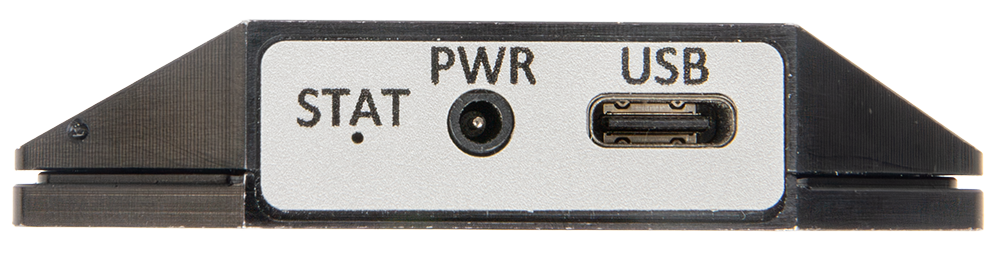
    I/O: USB 2.0 OTG interface
  • feature_checkmark
    CPU: Dual-core ARM Cortex A9 CPU running Linux
  • feature_checkmark
    Storage: 128 MB

Aaron Foster shows some practical examples of Epiq’s small form factor (SFF) SDRs deployed in drone payloads.

benefits

Easy and High-
Performing

An intuitive user interface makes SDR not only accessible, but simple, while  high-performance GPS/GLONASS capabilities make for reliably accurate geolocation and time-stamping.

APPLICATIONS

Matchstiq™ is Ideal for a
Variety of Applications

Visualize and Record rF
Transform any platform with a Sidekiq™ radio card into a powerful RF analyzer and, in some cases, an RF recorder with ERA™.
Ditch the Bulky SpecAn, Visualize RF on your Tablet
Our multi-technology cellular scanner runs on virtually any of our SDR platforms— delivering the ultimate flexibility in small form factors. Use Skylight™ for comprehensive and flexible analyses of your networks.

faq

Frequently Asked Questions

What is a Software-Defined Radio (SDR)?

SDR is a radio communication system in which components traditionally implemented in hardware are instead implemented (via custom software) on a personal device or embedded computer system. SDR systems can be adapted to integrate with various communication applications. Once integrated, SDRs can be used to scan for radio frequencies, listen to FM radio, track aircraft with ADS-B, receive GPS signals, dabble in amateur radio, decode digital voice, and even bounce signals off the moon!

Learn More
How do Epiq's SDR products differ from others on the market?

Epiq's SDR solutions deliver unparalleled RF performance and flexibility in compact form factors, making them perfect for a range of applications: including mobile, portable, and space-constrained. With a wide tuning range from 70 MHz up to 6 GHz, our products can be used for things like spectrum analysis, RF recording, cellular network scanning, enforcing no-wireless policies, and more.

Learn More
Can I customize my SDR setup?

Yes, our SDRs, SDR platforms, and turnkey solutions are designed to be flexible and easily integrated. That means you can customize any of our products to fit your specific needs. 

To get started, request one of our dev kits. We have two options: Evaluation (EVK) and Platform Development (PDK). You can request a dev kit by filling out the form below. Once you do, we'll get back to you with details and next steps.

If you need assistance, Epiq’s team is always here to offer comprehensive support: including detailed product documentation and an active community for peer discussions.

Learn More
What are the data transfer options for your SDRs?

Our SDRs support various data transfer interfaces, including USB 2.0, USB 3.0, and PCI Express (PCIe), depending on the product.

Learn More
Which programming languages or frameworks do your products support?

Our SDRs support popular frameworks such as GNU Radio, and others. For programming, we support languages such as C, C++, and Python.

Learn More
Do your products support phase-coherent MIMO operations?

Yes, our SDR products, such as the Sidekiq™ X4, support multi-channel phase-coherent MIMO operations, making them suitable for a variety of applications.

Learn More
Can your SDRs operate standalone or do they require a host device?

Many of our SDRs can operate both standalone and as part of a host device, giving you the flexibility to use them as needed.

Still have questions? Reach out and we’ll do our best to help.

Learn More

compared spec

Find Your Perfect Matchstiq™
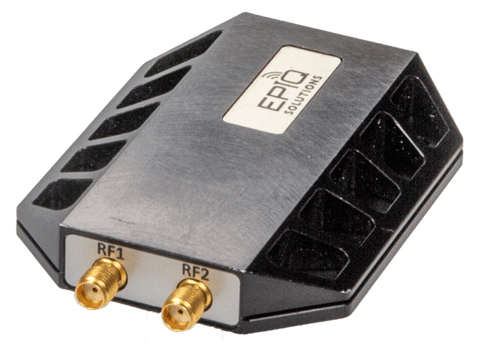
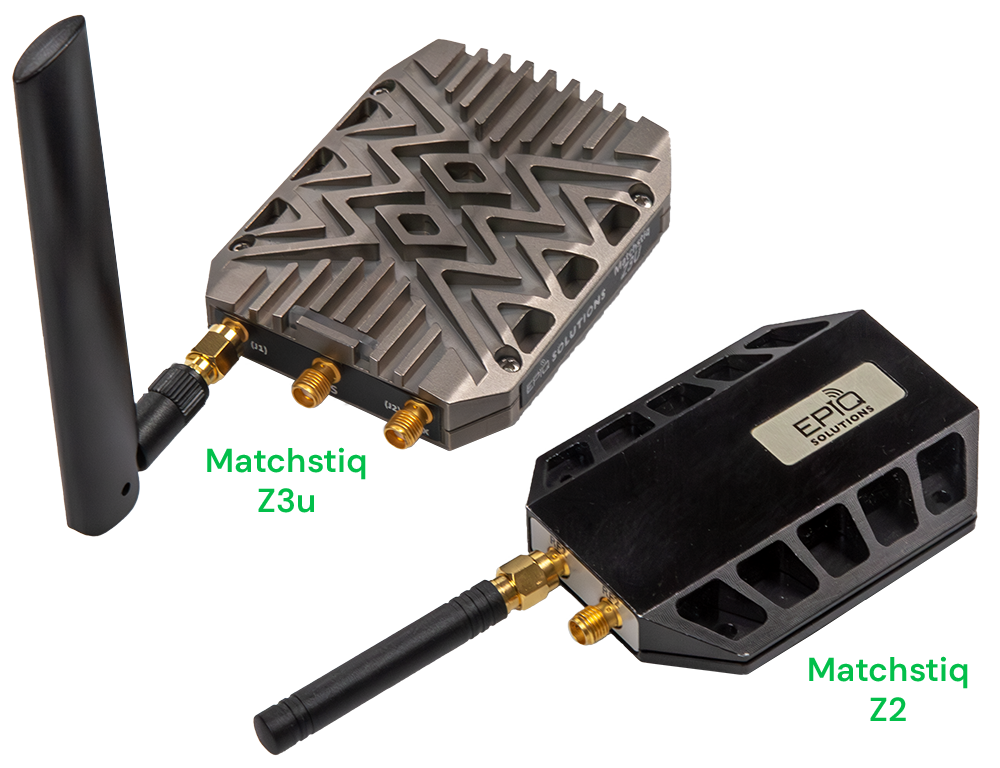
Matchstiq™ Z2
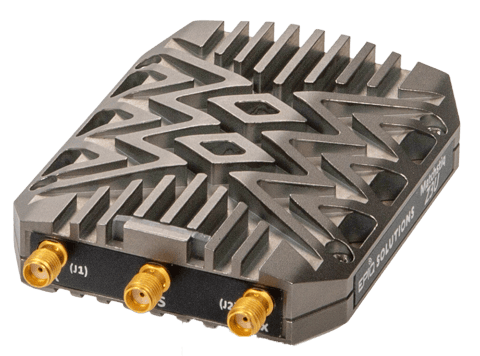
Matchstiq™ Z3u
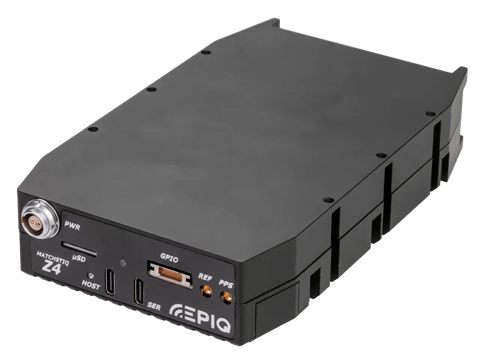
Matchstiq™ Z4

RF Coverage
Bandwidth
Receivers
Transmitters
Integrated FPGA
Form Factor
I/O
Power Consumption
45 MHz to 6 GHz
Up to 50 MHz per channel
1
1
AMD Zynq XC7Z010-2I System-on-Chip
3.44” x 2.44” x 0.56”
USB 2.0 OTG interface
2.5 W (typical usage)
45 MHz to 6 GHz
Up to 50 MHz per channel
Up to 2
1
AMD® Zynq® Ultrascale+ ZU3EG System-on-Chip
2.64" x 3.63" x 0.81"
USB 3.0 OTG interface + GPSDO
Under 6 W (typical usage)
10 MHz to 6 GHz
Up to 50 MHz per channel
Up to 4
Up to 4
AMD® Zynq® Ultrascale+ ZU7 System-on-Chip
6.0” x 3.5” x 1.14”
USB 3.0 OTG interfaces + GPSDO etc.
10-20 W (typical usage)

compared spec

slider product

Matchstiq™ Z2

RF COVERAGE

45 MHz to 6 GHz

BANDWIDTH

Up to 50 MHz per channel

RECEIVERS

1

TRANSMITTERS

1

INTEGRATED FPGA

AMD Zynq XC7Z010-2I System-on-Chip

FORM FACTOR

3.44” x 2.44” x 0.56”

I/O

USB 2.0 OTG interface

POWER CONSUMPTION

2.5 W (typical usage)

slider product

Matchstiq™ Z3u

RF COVERAGE

45 MHz to 6 GHz

BANDWIDTH

Up to 50 MHz per channel

RECEIVERS

Up to 2

TRANSMITTERS

1

INTEGRATED FPGA

AMD® Zynq® Ultrascale+ ZU3EG System-on-Chip

FORM FACTOR

2.64" x 3.63" x 0.81"

I/O

USB 3.0 OTG interface + GPSDO

POWER CONSUMPTION

Under 6 W (typical usage)

slider product

Matchstiq™ Z4

RF COVERAGE

10 MHz to 6 GHz

BANDWIDTH

Up to 50 MHz per channel

RECEIVERS

Up to 4

TRANSMITTERS

Up to 4

INTEGRATED FPGA

AMD® Zynq® Ultrascale+ ZU7 System-on-Chip

FORM FACTOR

6.0” x 3.5” x 1.14”

I/O

USB 3.0 OTG interfaces + GPSDO etc.

POWER CONSUMPTION

10-20 W (typical usage)

Resources

Resource type

All
Datasheets
Application notes
Case studies
Open-source repositories
Blog
Videos
User Manuals

Products

All
MATCHSTIQ™ G20
MATCHSTIQ™ G40
MATCHSTIQ™ X40
MATCHSTIQ™ Z2
MATCHSTIQ™ Z3u
MATCHSTIQ™ V40
MATCHSTIQ™ Z4
NDR318
NDR325
NDR358
NDR364
NDR374
NDR504
NDR505
NDR551
NDR562
NDR585
NDR818
NDR888
SIDEKIQ™ M.2
SIDEKIQ™ Mini PCIE
SIDEKIQ™ NV100
SIDEKIQ™ NV800
SIDEKIQ™ NVM2
SIDEKIQ™ Stretch
SIDEKIQ™ VPX400
SIDEKIQ™ VPX410
SIDEKIQ™ X4
SIDEKIQ™ Z2
Epiq Skylight™
Epiq ERA™
Epiq PRiSM™
Epiq Flying Fox® Enterprise
DeepSig
Libsidekiq
GNU Radio

Industry

All
SDR
EPIQ Solutions
Flying Fox Enterprise
Wireless Detections
Software-Defined radios
Zero False Positive Detection
SOSA
Product Development
Low SWaP
Rogue Wireless Device Detection
Sidekiq X4
Troubleshooting
Sidekiq Z2
Xiphos
Advanced Data Processing
AI/ML
Mini PCIe
Sidekiq VPX400
Open Architecture
Product Release
Small Form Factor
Aquisition
Open Source
UAV
Payload
Sidekiq NV100
Libsidekiq
Video
GNU Radio
Aaron Foster
Sidekiq NVM2
Raspberry Pi
APPLY FILTERS

Datasheets

10/01/2024
Datasheets

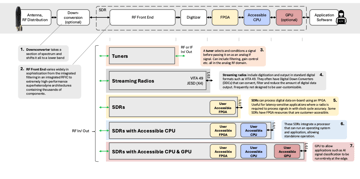
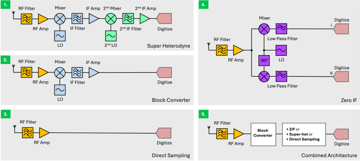
Epiq Block Diagram Cheat Sheet

10/01/2024
Datasheets

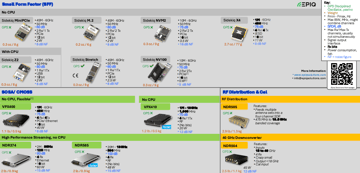
Epiq RF Front Ends Cheat Sheet

10/01/2024
Datasheets

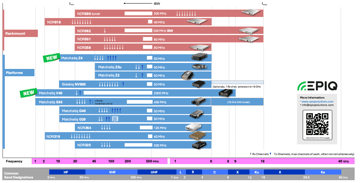
Epiq Product Groups Cheat Sheet

Application notes

10/01/2024
Application notes

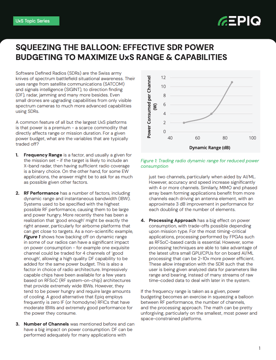
Squeezing the Balloon: Effective SDR Power Budgeting to Maximize UxS Range & Cap

Software Defined Radios (SDRs) are the Swiss army knives of spectrum battlefield situational awareness. Their uses range from satellite communications (SATCOM) and signals intelligence (SIGINT), to direction finding (DF), radar, jamming and many more besides. Even small drones are upgrading capabilities from only visible spectrum cameras to much more advanced capabilities using SDRs.
10/01/2024
Application notes

UAS Trends

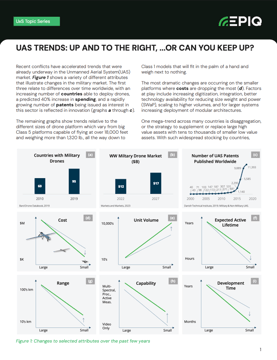
Recent conflicts have accelerated trends that were already underway in the Unmanned Aerial System(UAS) market. Figure 1 shows a variety of different attributes that illustrate changes in the military market. The first three relate to differences over time worldwide, with an increasing number of countries able to deploy drones, a predicted 40% increase in spending, and a rapidly growing number of patents being issued as interest in this sector is reflected in innovation (graphs a through c).
10/01/2024
Application notes

UxS Challenges, EPIQ Solutions

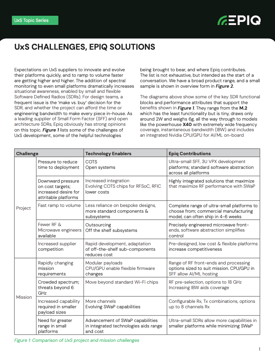
Expectations on UxS suppliers to innovate and evolve their platforms quickly, and to ramp to volume faster are getting higher and higher. The addition of spectral monitoring to even small platforms dramatically increases situational awareness, enabled by small and flexible Software Defined Radios (SDRs). For design teams, a frequent issue is the ‘make vs. buy’ decision for the SDR, and whether the project can afford the time or engineering bandwidth to make every piece in-house. As a leading supplier of Small Form Factor (SFF) and open architecture SDRs, Epiq obviously has strong opinions on this topic
10/01/2024
Application notes

UxS Payload Form Factors

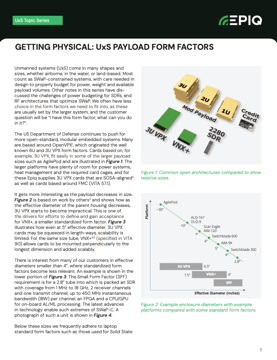
Unmanned systems (UxS) come in many shapes and sizes, whether airborne, in the water, or land-based. Most count as SWaP-constrained systems, with care needed in design to properly budget for power, weight and available payload volumes. Other notes in this series have discussed the challenges of power budgeting for SDRs, and RF architectures that optimize SWaP. We often have less choice in the form factors we need to fit into, as these are usually set by the larger system, and the customer question will be “I have this form factor, what can you do in it?”.
10/01/2024
Application notes

Which RF Architecture Should I Choose

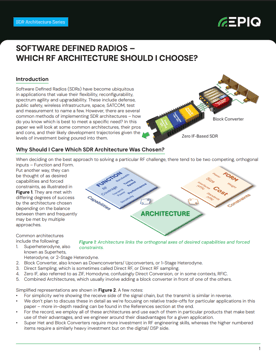
Software Defined Radios (SDRs) have become ubiquitous in applications that value their flexibility, reconfigurability, spectrum agility and upgradability. These include defense, public safety, wireless infrastructure, space, SATCOM, test and measurement to name a few. However, there are several common methods of implementing SDR architectures – how do you know which is best to meet a specific need?

10/01/2024
Application notes
Registration required

Considerations in the Build vs Buy Decision-Making Process for SDRs

The flexibility and enhanced performance offered by software-defined radios (SDRs) in RF transceiver applications is driving an increased demand for their use across many industries such as defense, telecom, aerospace, and government.

THANK YOU!

You will see the white paper in PDF format in your email shortly.

Case studies

Open-source repositories

10/01/2024
Open-source repositories

Epiq GitHub Repository

We support open-source efforts such as GNU Radio, SoapySDR as well as PlutoSDR on some of our products. Visit our GitHub repositories to learn more.

Blog

10/01/2024
Blog

Software Defined Radios – Which RF Architecture Should I Choose?

Choosing the right RF architecture is critical for SDR performance. From Superheterodyne to Direct Sampling, each offers unique trade-offs in size, power, and capability. Discover which architecture best fits your mission needs—register now to access the full article.

User Manuals
matchstiqz2

Contact

Ready to tap into the power of Epiq's SDR modules and platforms? Request a dev kit today. Just fill out the form below and we'll get back to you shortly.