.webp?length=400&name=Cyber-Radio-NDR585%20(3).webp)

.webp?width=70&height=70&name=Vector%20(1).webp)


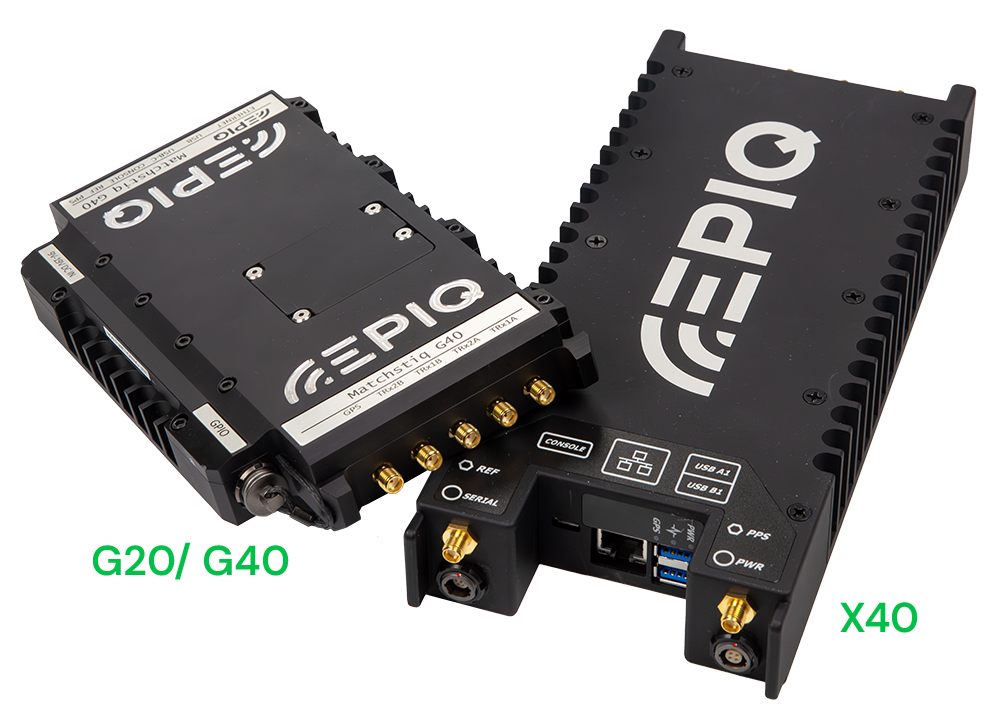








compared spec
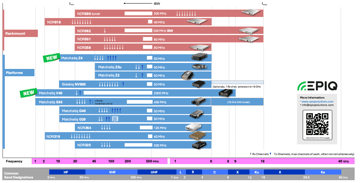
FIND YOUR PERFECT MATCHSTIQ™
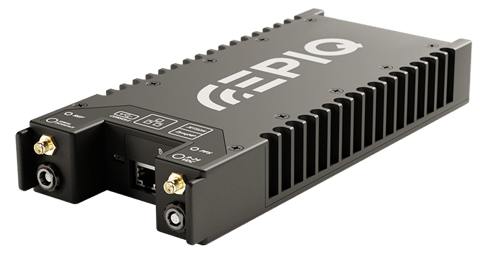
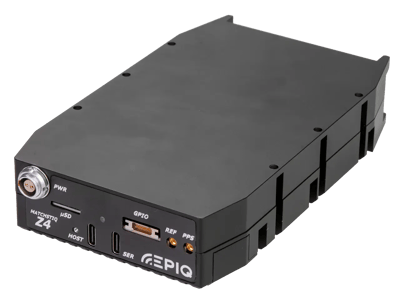
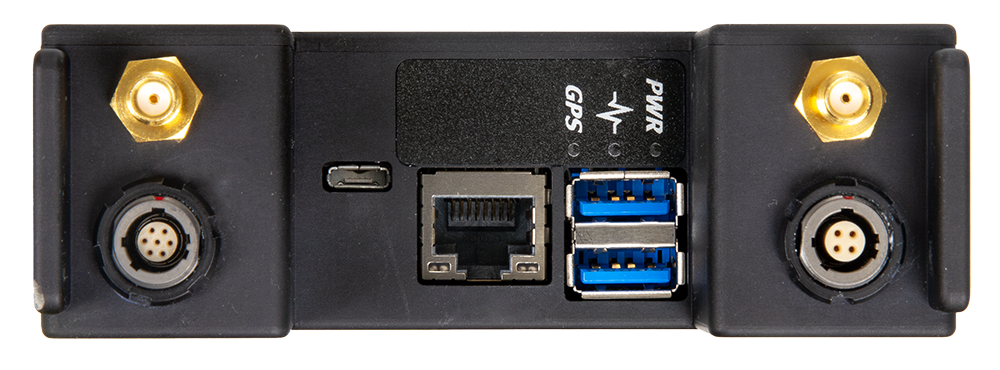
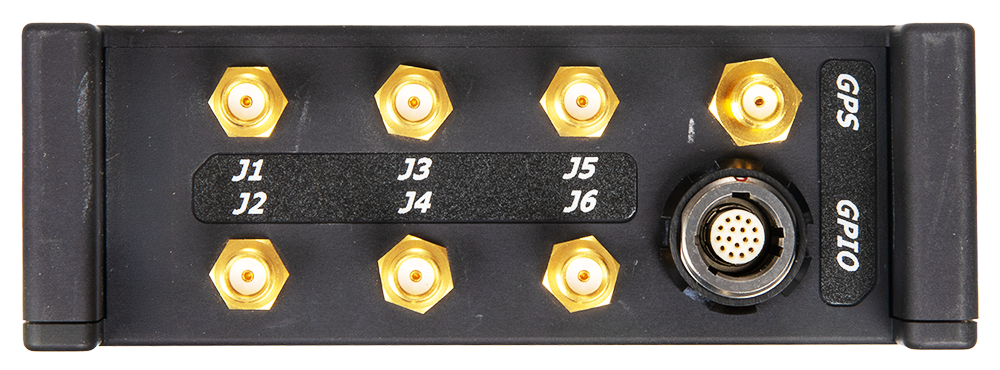
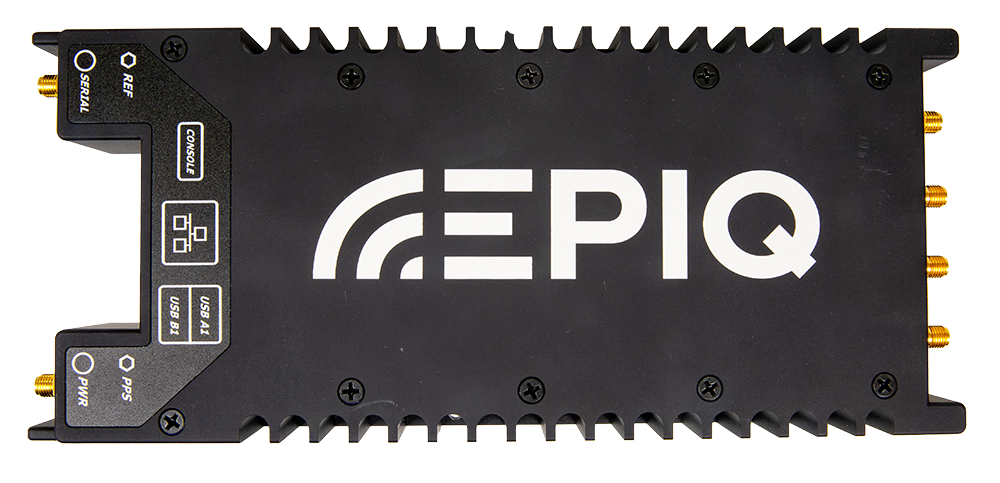
MATCHSTIQ™ X40
-237px.webp?length=480&name=matchstiq-G20-G40(2)-237px.webp)
Matchstiq™
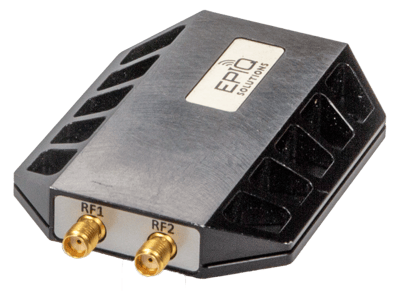
G20 and G40
compared spec
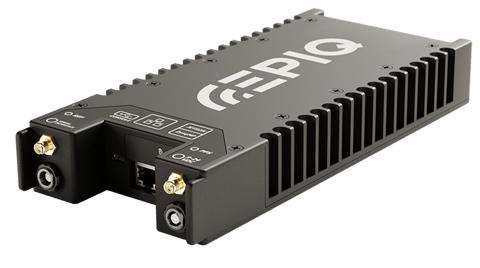
Matchsiq™ X40
RF COVERAGE
1MHz - 6GHz or 1MHz - 18GHz
BANDWIDTH
Up to 450MHz
RECEIVERS
Up to 4
Transmitters
Up to 2
INTEGRATED FPGA
AMD Zynq Ultrascale+ ZU7 System-on-Chip
INTEGRATED GPU/CPU
Nvidia Orin NX 16G
FORM FACTOR
9.75" x 4.25" x 1.45"
I/O
1 GbE + USB 3.0 + Serial Port + GPIO + GPSDO
POWER CONSUMPTION
40 - 80W
-237px.png?length=480&name=matchstiq-G20-G40(2)-237px.png)
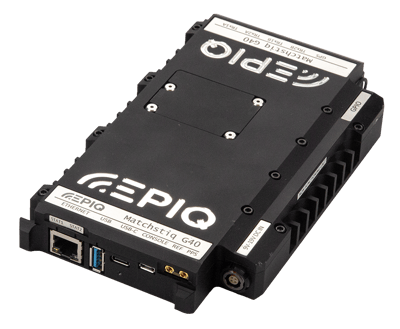
Matchstiq™
G20 and G40
RF COVERAGE
10MHz to 6GHz
BANDWIDTH
Up to 50MHz
RECEIVERS
Up to 4
TRANSMITTERS
Up to 4
INTEGRATED FPGA
AMD Artix7 XC7A50T
INTEGRATED GPU/CPU
Nvidia Orin NX 16G
FORM FACTOR
7.6” x 4.4” x 1.0”
I/O
1 GbE + USB 3.0 + Serial Port + GPIO + GPSDO
POWER CONSUMPTION
20 - 50W
Resources
Datasheets
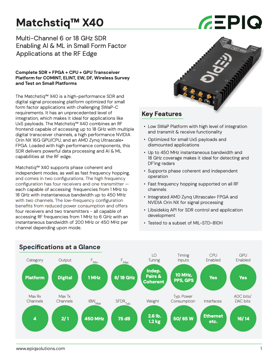
Epiq - datasheet - Matchstiq™ X40
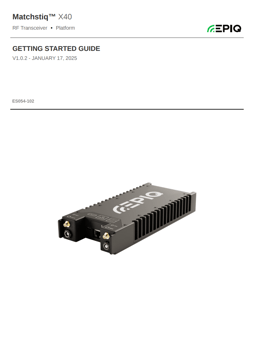
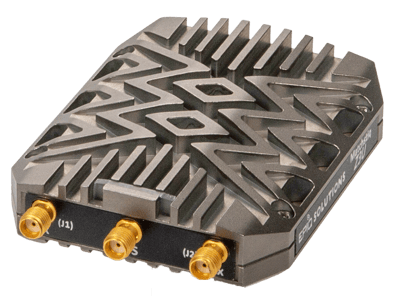
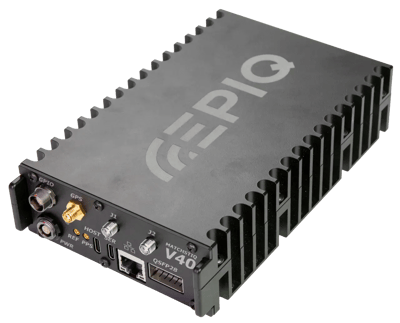
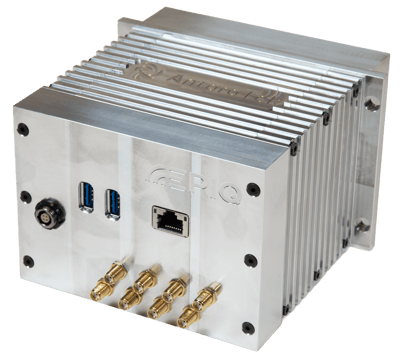
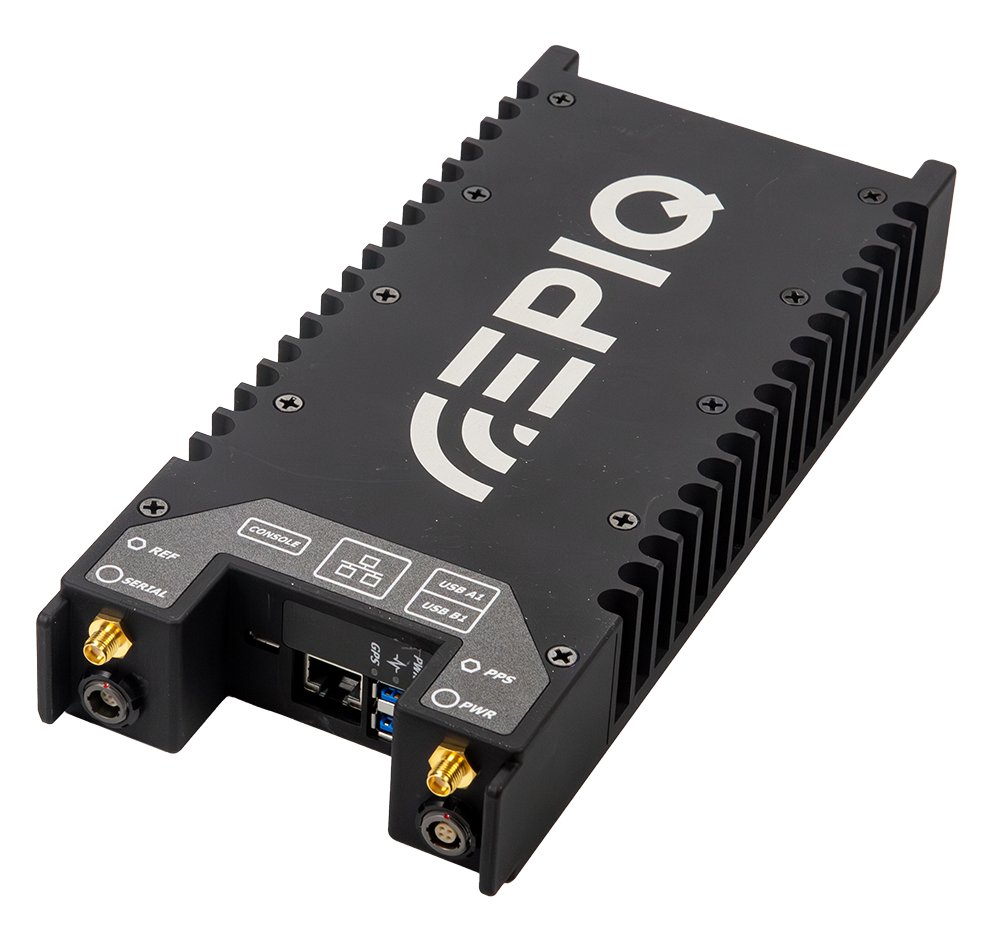
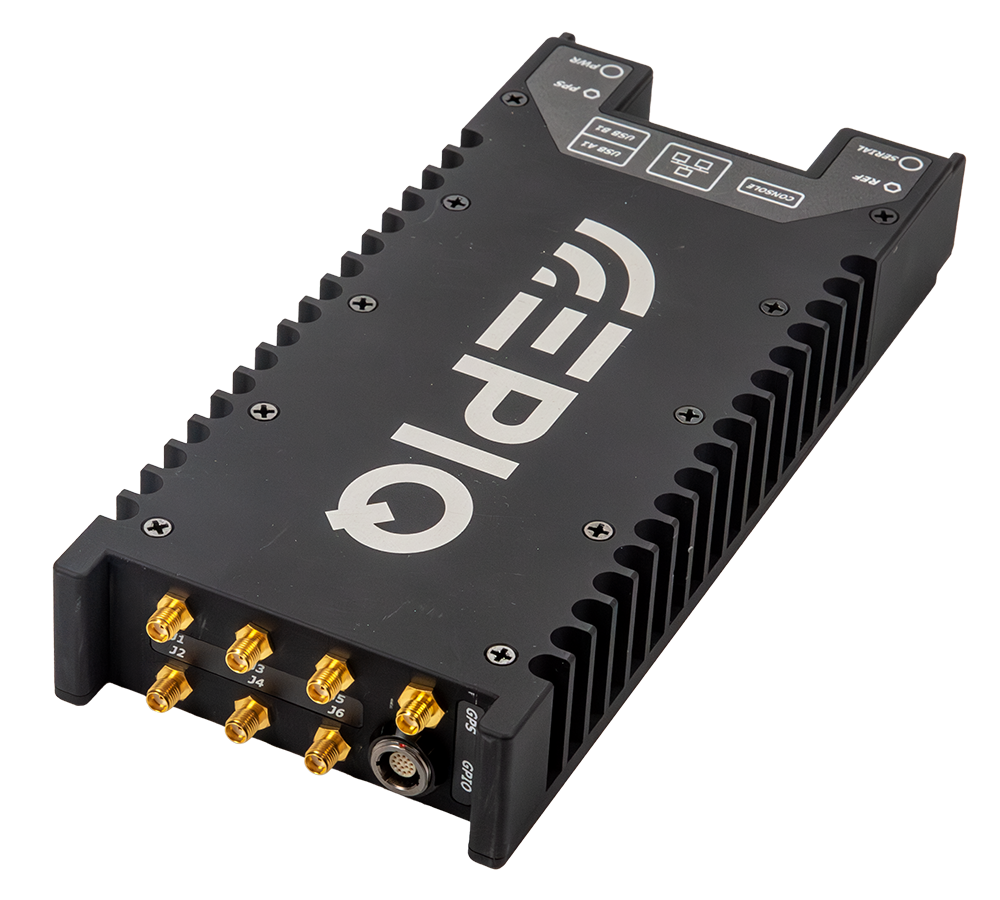
The Matchstiq™ X40 is a high-performance SDR and digital signal processing platform optimized for small form factor applications with challenging SWaP-C requirements. It has an unprecedented level of integration, which makes it ideal for applications like UxS payloads. The Matchstiq™ X40 combines an RF frontend capable of accessing up to 18 GHz with multiple digital transceiver channels, a high performance NVIDIA Orin NX 16G GPU/CPU, and an AMD Zynq Ultrascale+ FPGA. Loaded with high performance components, this SDR delivers powerful data processing and AI & ML capabilities at the RF edge.
Application notes
DeepSIG - Product Overview
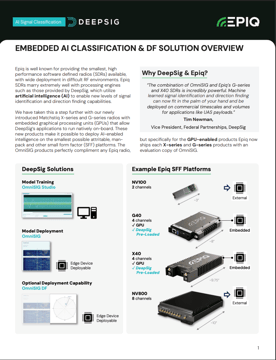
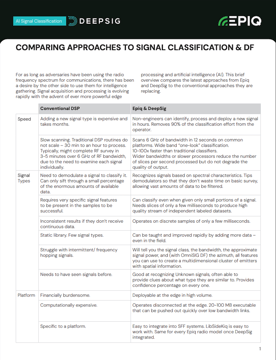
Epiq is well known for providing the smallest, high performance software defined radios (SDRs) available, with wide deployment in difficult RF environments. Epiq SDRs marry extremely well with processing engines such as those provided by DeepSig, which utilize artificial intelligence (AI) to enable new levels of signal identification and direction finding capabilities.
DeepSIG DSP vs AI
For as long as adversaries have been using the radio frequency spectrum for communications, there has been a desire by the other side to use them for intelligence gathering. Signal acquisition and processing is evolving rapidly with the advent of ever more powerful edge processing and artificial intelligence (AI). This brief overview compares the latest approaches from Epiq and DeepSig to the conventional approaches they are replacing.
DeepSIG Training & Deployment
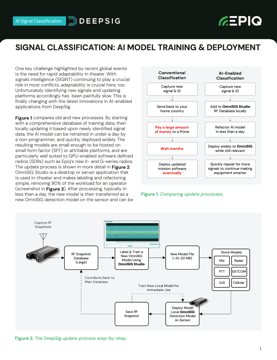
One key challenge highlighted by recent global events is the need for rapid adaptability in theater. With signals intelligence (SIGINT) continuing to play a crucial role in most conflicts, adaptability is crucial here, too. Unfortunately identifying new signals and updating platforms accordingly has been painfully slow. This is finally changing with the latest innovations in AI-enabled applications from DeepSig.
DeepSIG Trends
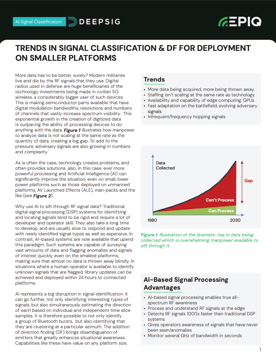
More data has to be better, surely? Modern militaries live and die by the RF signals that they use. Digital radios used in defense are huge beneficiaries of the technology investments being made in civilian 5G wireless, a considerably bigger user of such devices. This is making semiconductor parts available that have digital modulation bandwidths, resolutions and numbers of channels that vastly increase spectrum visibility. This exponential growth in the creation of digitized data is outpacing the ability of processing devices to do anything with the data. Figure 1 illustrates how manpower to analyze data is not scaling at the same rate as the quantity of data, creating a big gap. To add to the pressure, adversary signals are also growing in numbers and complexity.
Squeezing the Balloon: Effective SDR Power Budgeting to Maximize UxS Range & Cap
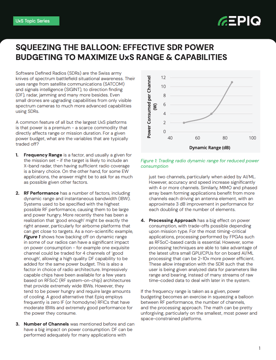
Software Defined Radios (SDRs) are the Swiss army knives of spectrum battlefield situational awareness. Their uses range from satellite communications (SATCOM) and signals intelligence (SIGINT), to direction finding (DF), radar, jamming and many more besides. Even small drones are upgrading capabilities from only visible spectrum cameras to much more advanced capabilities using SDRs.
UAS Trends
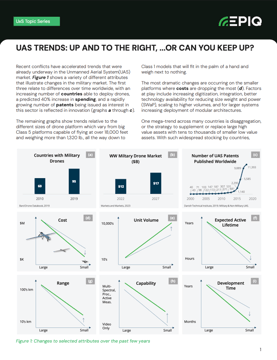
Recent conflicts have accelerated trends that were already underway in the Unmanned Aerial System(UAS) market. Figure 1 shows a variety of different attributes that illustrate changes in the military market. The first three relate to differences over time worldwide, with an increasing number of countries able to deploy drones, a predicted 40% increase in spending, and a rapidly growing number of patents being issued as interest in this sector is reflected in innovation (graphs a through c).
UxS Challenges, EPIQ Solutions
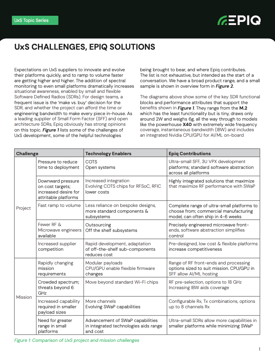
Expectations on UxS suppliers to innovate and evolve their platforms quickly, and to ramp to volume faster are getting higher and higher. The addition of spectral monitoring to even small platforms dramatically increases situational awareness, enabled by small and flexible Software Defined Radios (SDRs). For design teams, a frequent issue is the ‘make vs. buy’ decision for the SDR, and whether the project can afford the time or engineering bandwidth to make every piece in-house. As a leading supplier of Small Form Factor (SFF) and open architecture SDRs, Epiq obviously has strong opinions on this topic
UxS Payload Form Factors
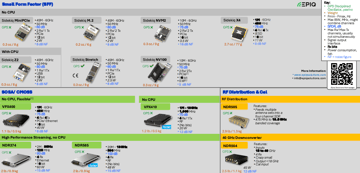
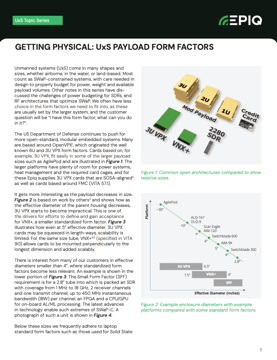
Unmanned systems (UxS) come in many shapes and sizes, whether airborne, in the water, or land-based. Most count as SWaP-constrained systems, with care needed in design to properly budget for power, weight and available payload volumes. Other notes in this series have discussed the challenges of power budgeting for SDRs, and RF architectures that optimize SWaP. We often have less choice in the form factors we need to fit into, as these are usually set by the larger system, and the customer question will be “I have this form factor, what can you do in it?”.
Which RF Architecture Should I Choose
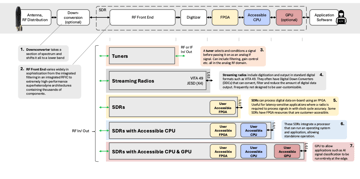
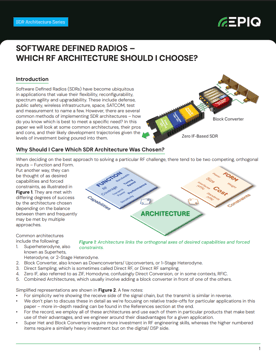
Software Defined Radios (SDRs) have become ubiquitous in applications that value their flexibility, reconfigurability, spectrum agility and upgradability. These include defense, public safety, wireless infrastructure, space, SATCOM, test and measurement to name a few. However, there are several common methods of implementing SDR architectures – how do you know which is best to meet a specific need?

Considerations in the Build vs Buy Decision-Making Process for SDRs
The flexibility and enhanced performance offered by software-defined radios (SDRs) in RF transceiver applications is driving an increased demand for their use across many industries such as defense, telecom, aerospace, and government.
Case studies
Open-source repositories

Blog
Is it Possible to Have Full ML-Driven Signal Classification & DF Entirely at the RF Edge?
A trial copy of DeepSig’s OmniSIG ships with every G20/G40 and X40.

Epiq Solutions Discusses The Neptune RF Payload for Unmanned Maritime Systems Partnership with The Defense Tech Podcast
Interviewed by “Civilian Sydney” Marsman, on the Defense Tech Podcast.
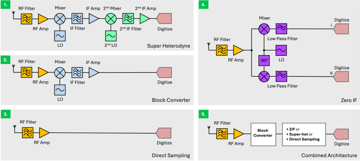
Software Defined Radios – Which RF Architecture Should I Choose?
Choosing the right RF architecture is critical for SDR performance. From Superheterodyne to Direct Sampling, each offers unique trade-offs in size, power, and capability. Discover which architecture best fits your mission needs—register now to access the full article.
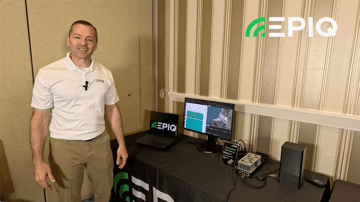
Epiq Matchstiq™ X40 Networked with a Battle Management System
Epiq’s Aaron Foster shows an example of COTS radios acting as a remote node in a battlefield management system (BMS). In this case, he shows an 18 GHz, GPU-equipped X40 running DeepSig’s OmniSIG to pass a line of bearing (LOB) to feed geo-location calculations.
User Manuals
Epiq Sidekiq API
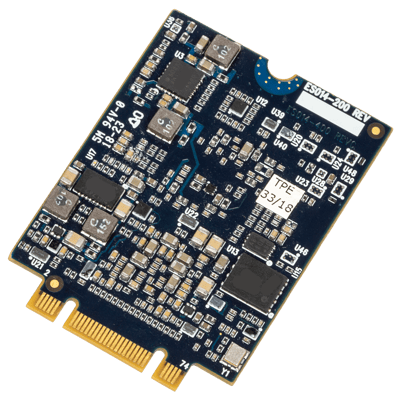
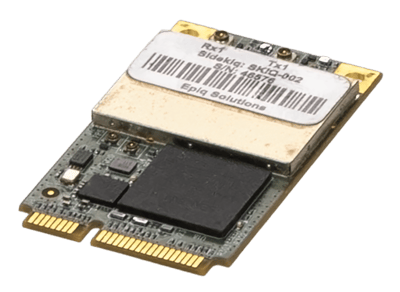
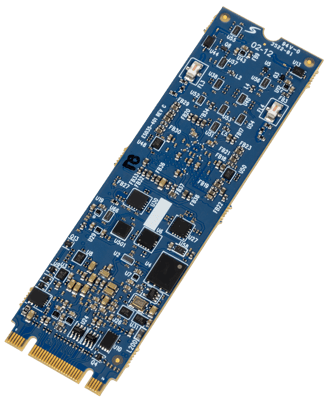
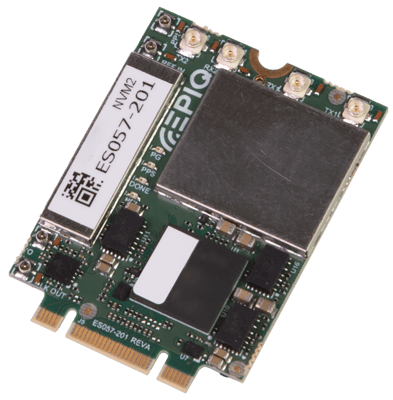
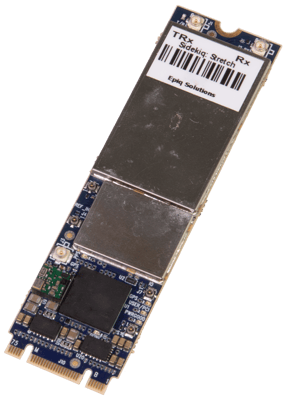
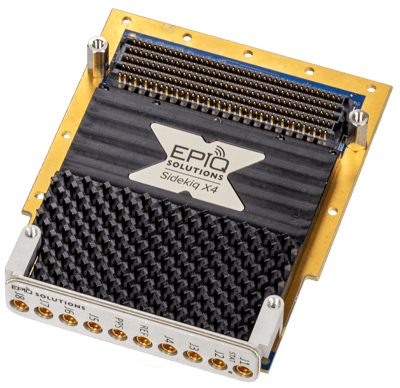
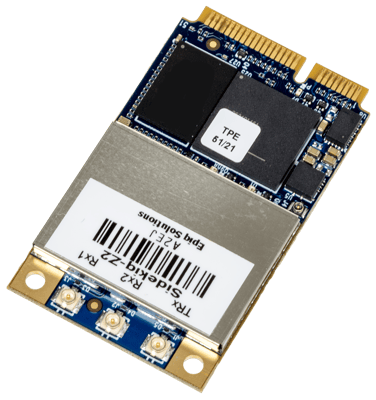
Sidekiq is a software defined radio card in a MiniPCIe, M.2 (3042 and 2280), or VITA 57.1 FPGA Mezzanine Card (FMC) form factor (Sidekiq X2 and X4).
Epiq Matchstiq X40 FPGA Development Manual
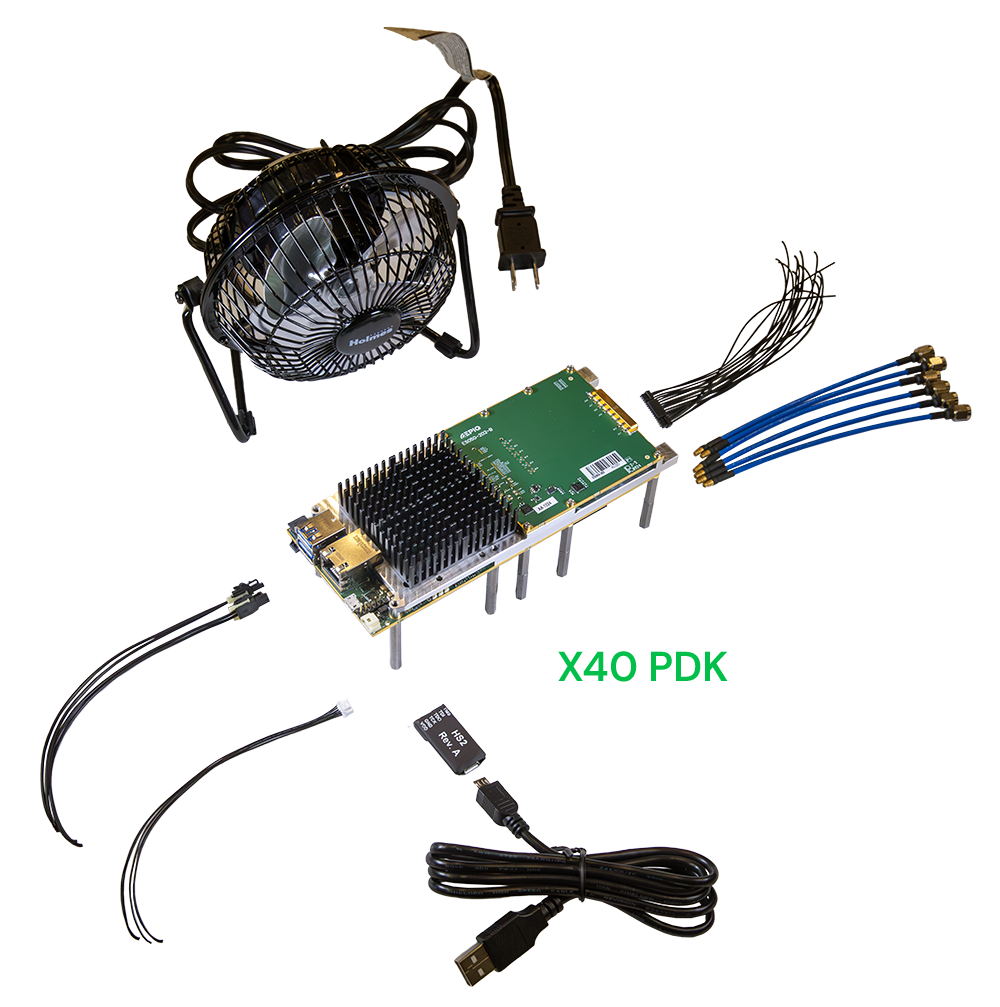
This document provides the necessary details for developing FPGA applications for use with the Matchstiq™ X40 multichannel RF transceiver card developed by Epiq Solutions []. It is provided with the purchase of a Matchstiq™ X40 Platform Development Kit.
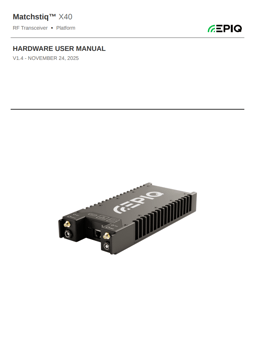
Epiq Matchstiq X40 Hardware User Manual
This document provides an overview of Epiq Solutions' Matchstiq X40 software defined radio (SDR), a highly integrated wideband RF transceiver plus Linux computer.