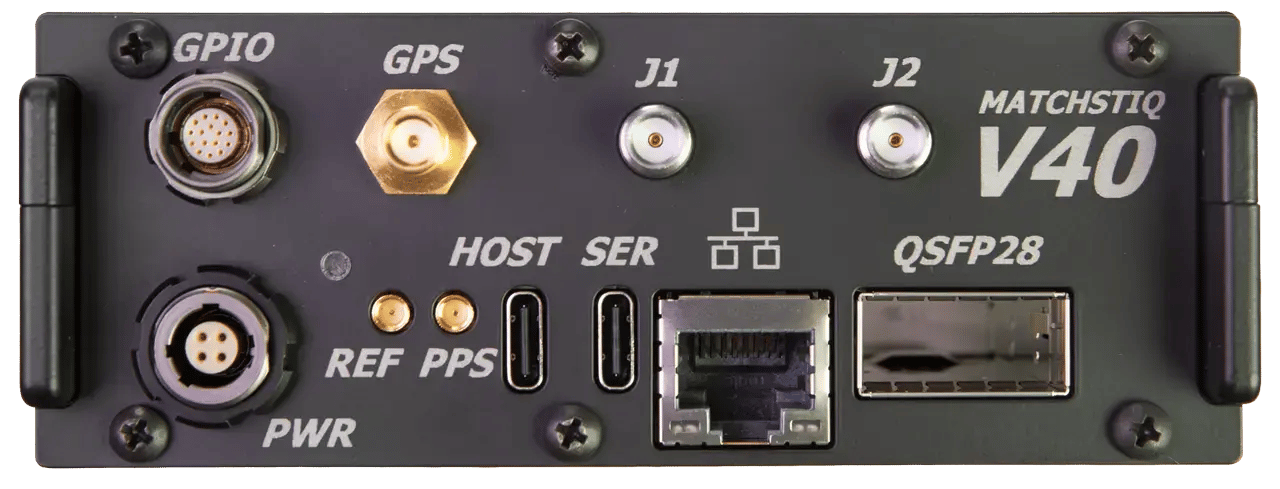
MATCHSTIQ™ V40
EARLY ACCESS
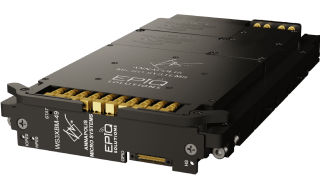
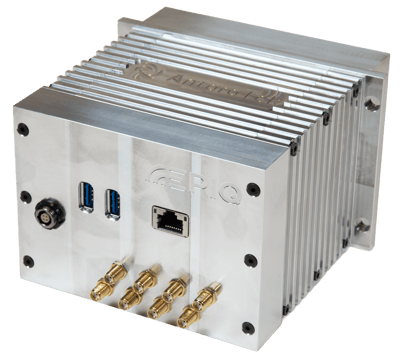
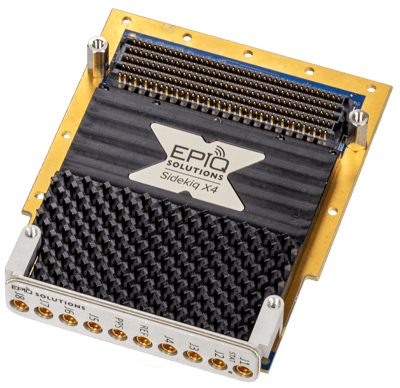
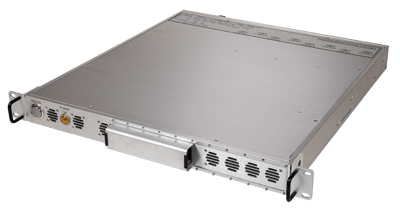
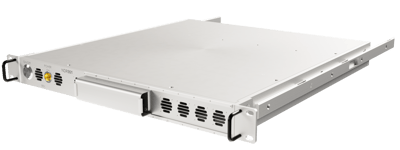
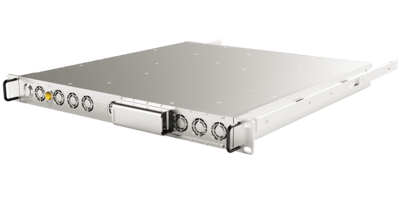
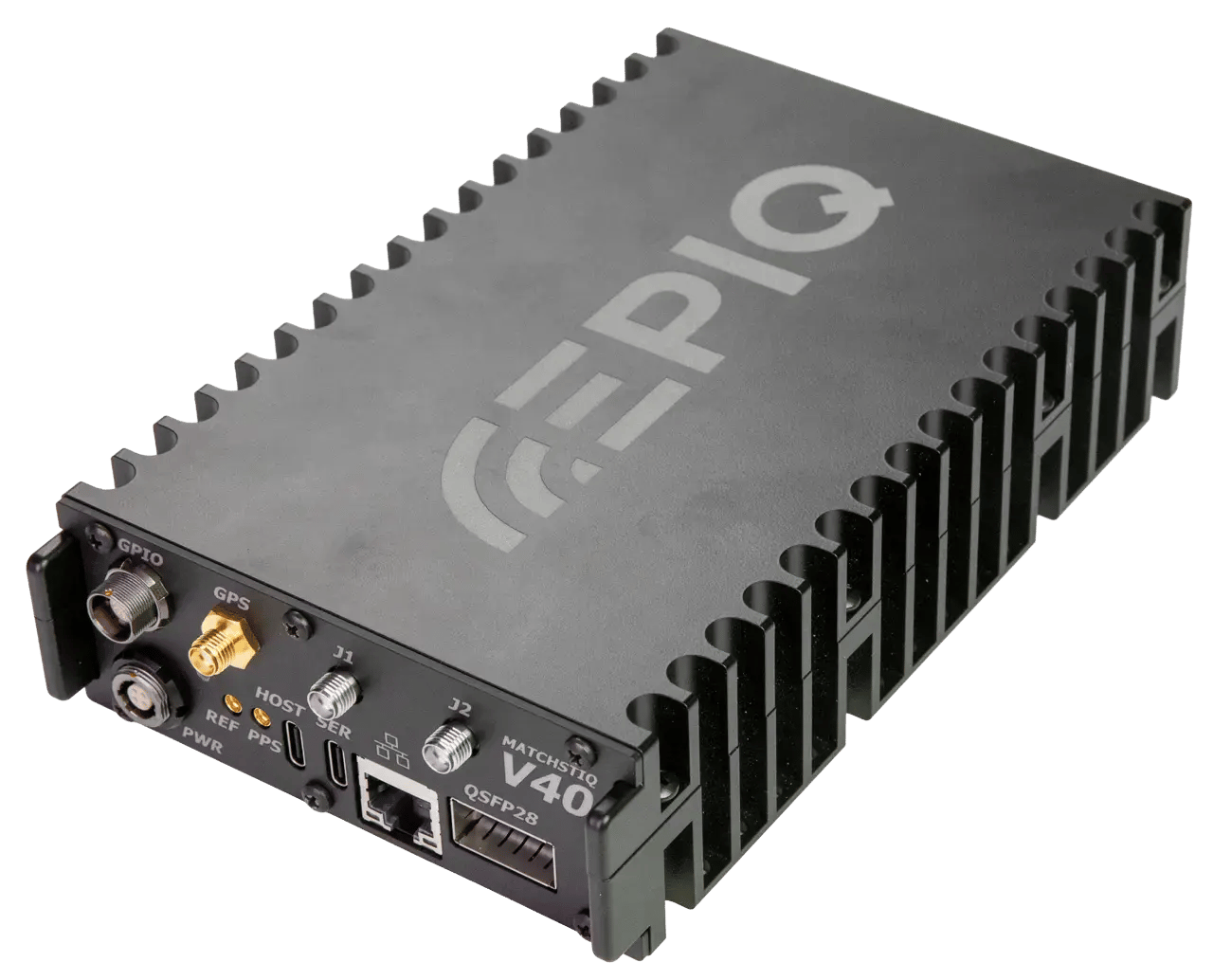
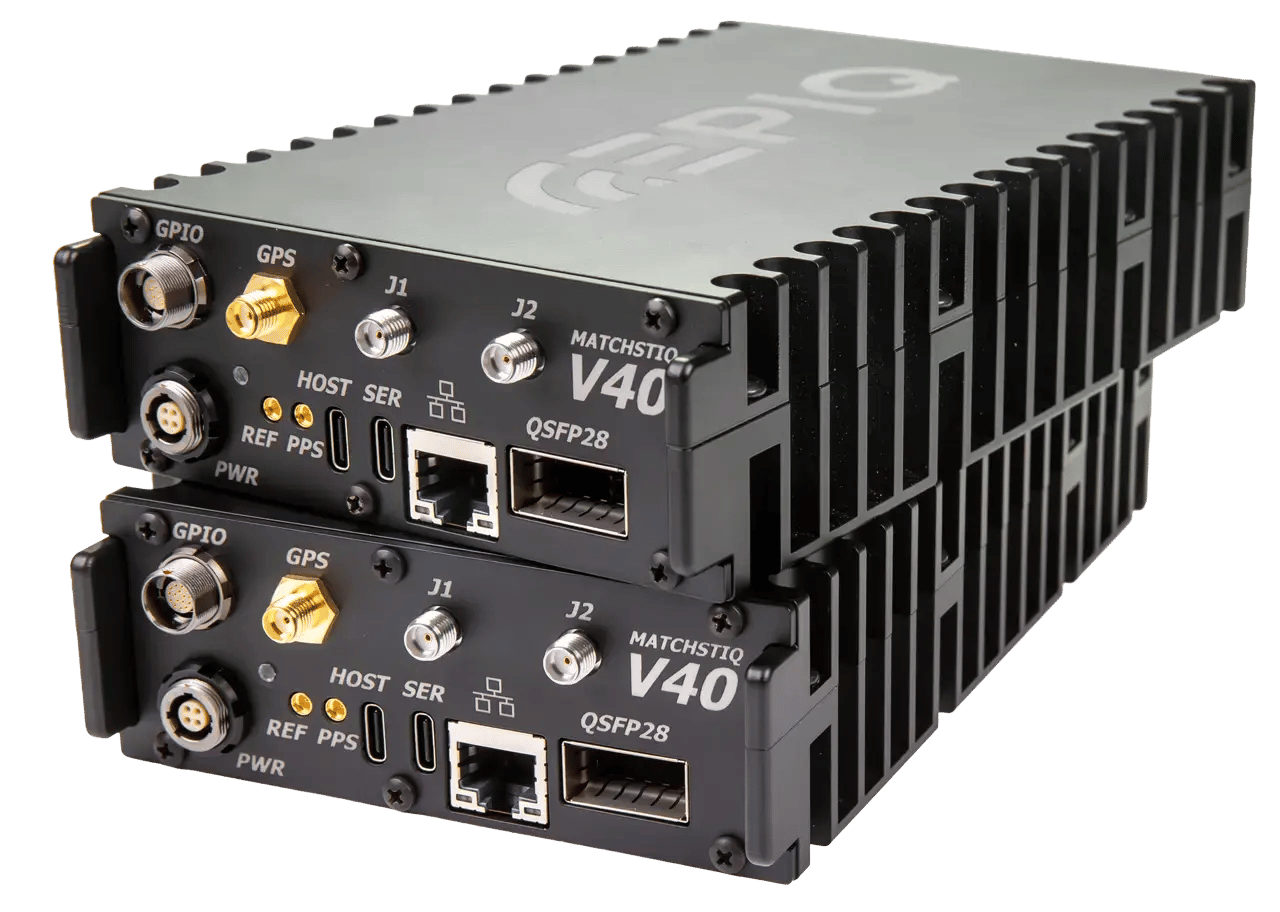
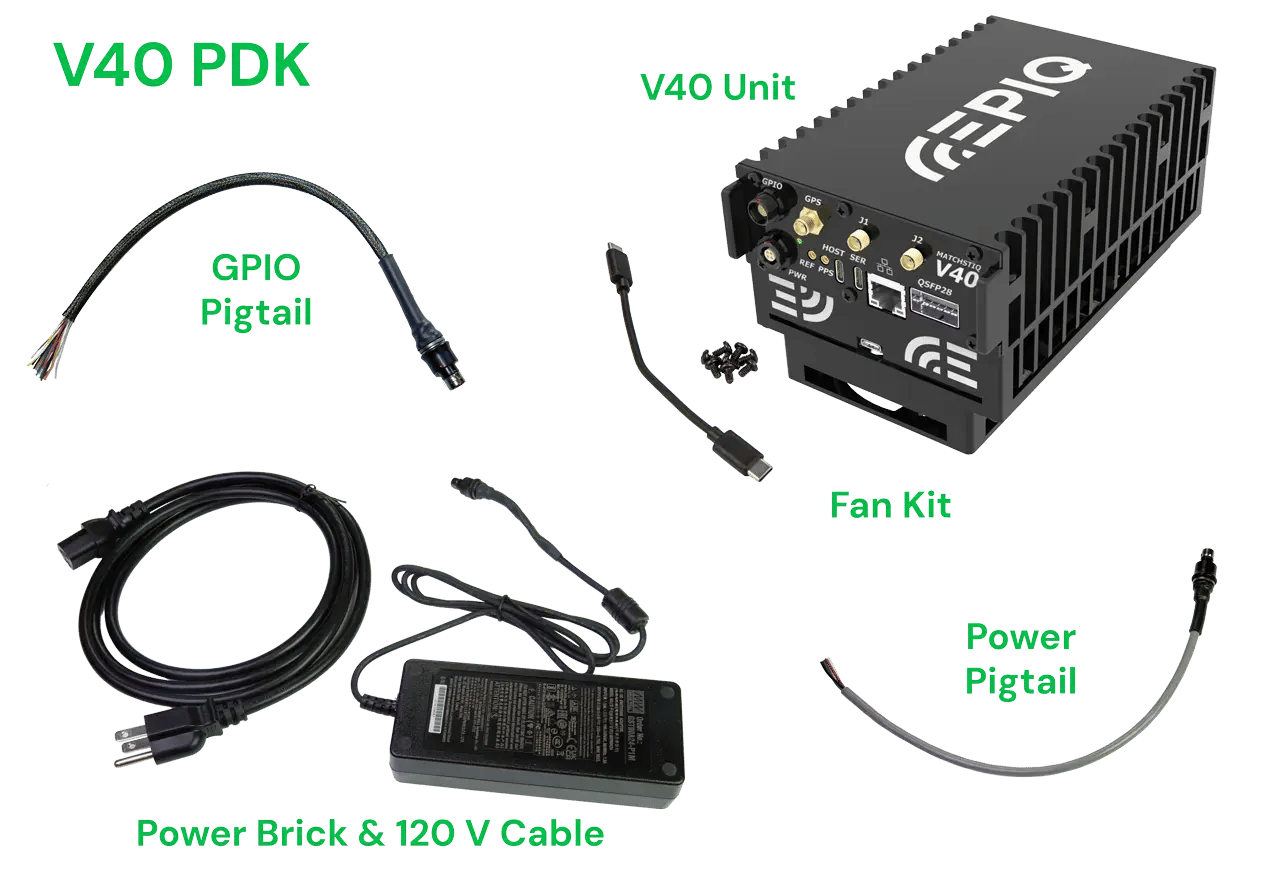
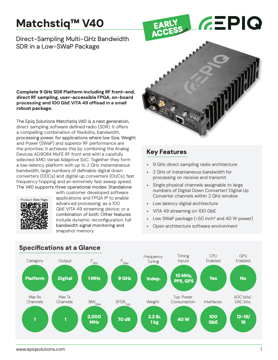
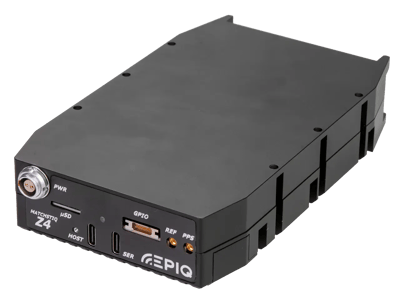
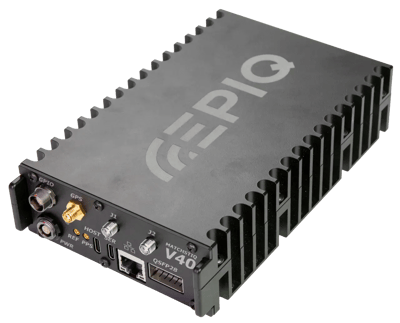
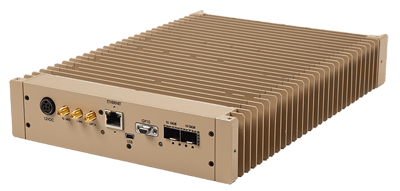
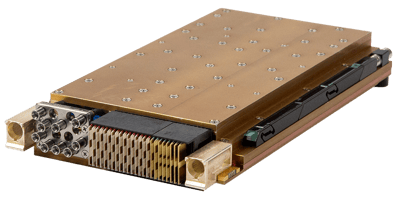
The Epiq Solutions Matchstiq V40 is a next generation, direct sampling software defined radio (SDR). It offers a compelling combination of flexibility, bandwidth, processing power, for applications where low Size, Weight and Power (SWaP) and superior RF performance are the priorities. It achieves this by combining the Analog Devices AD9084 MxFE RF front end with a carefully selected AMD Versal Adaptive SoC. Together they form a low-latency platform with up to 2 GHz instantaneous bandwidth, large numbers of definable digital down converters (DDCs) and digital up converters (DUCs), fast frequency hopping and an extremely fast sweep speed.
The V40 supports three operational modes: Standalone with customer developed software applications and FPGA IP to enable advanced processing; as a 100 GbE VITA 49 streaming device; or in a combination of both. Other features include dynamic reconfiguration, full bandwidth signal monitoring and snapshot.
Specifications
PPS, GPS
MHz
1 kg
GbE
16
FEATURES
-
9 GHz direct sampling radio
-
2 GHz of instantaneous bandwidth for processing on receive and transmit
-
Single physical channel assignable to large numbers of Digital Down Converter/ Digital Up Converter channels within 2 GHz window
-
Low latency digital architecture
-
VITA 49 streaming on 100 GbE
-
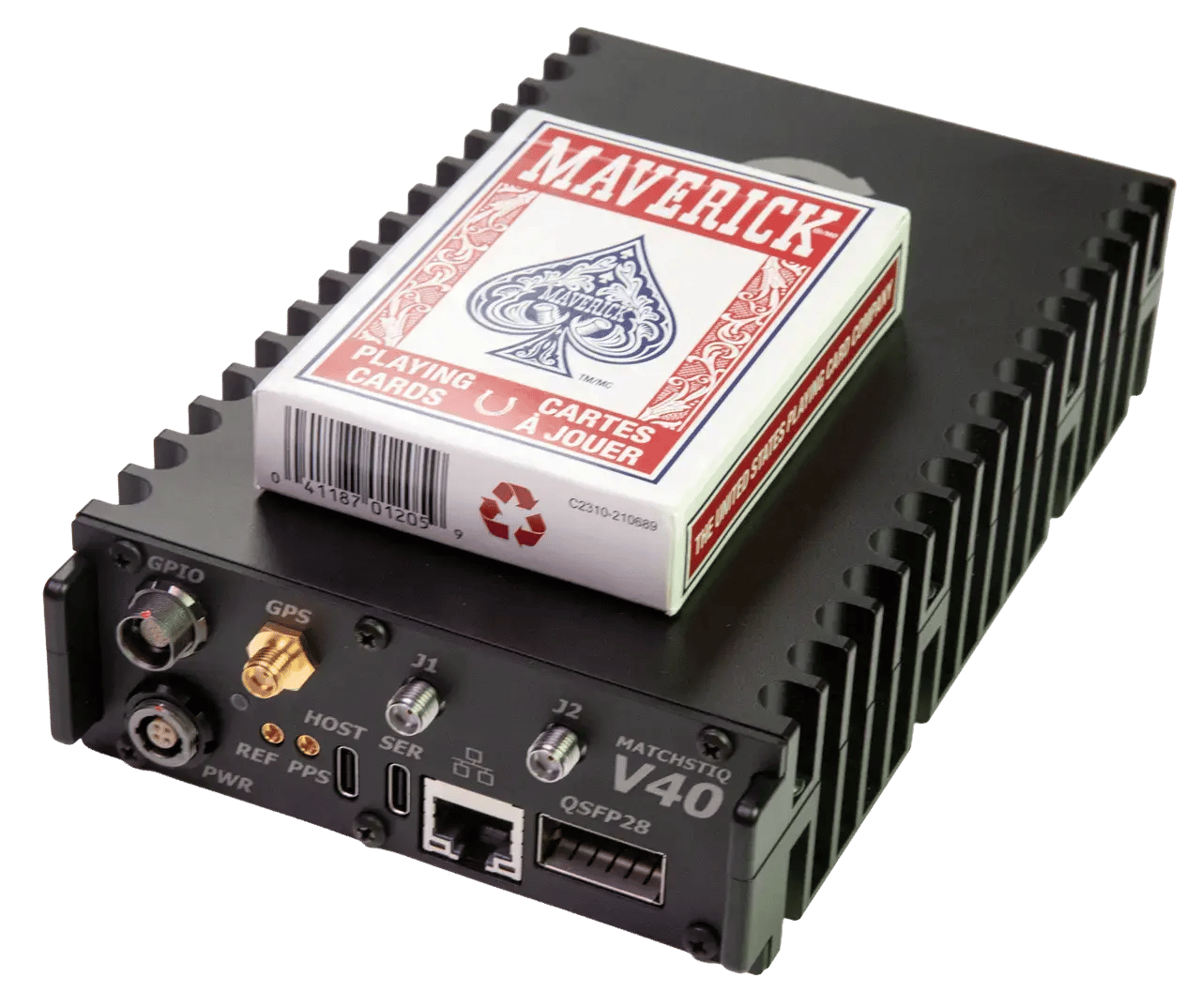
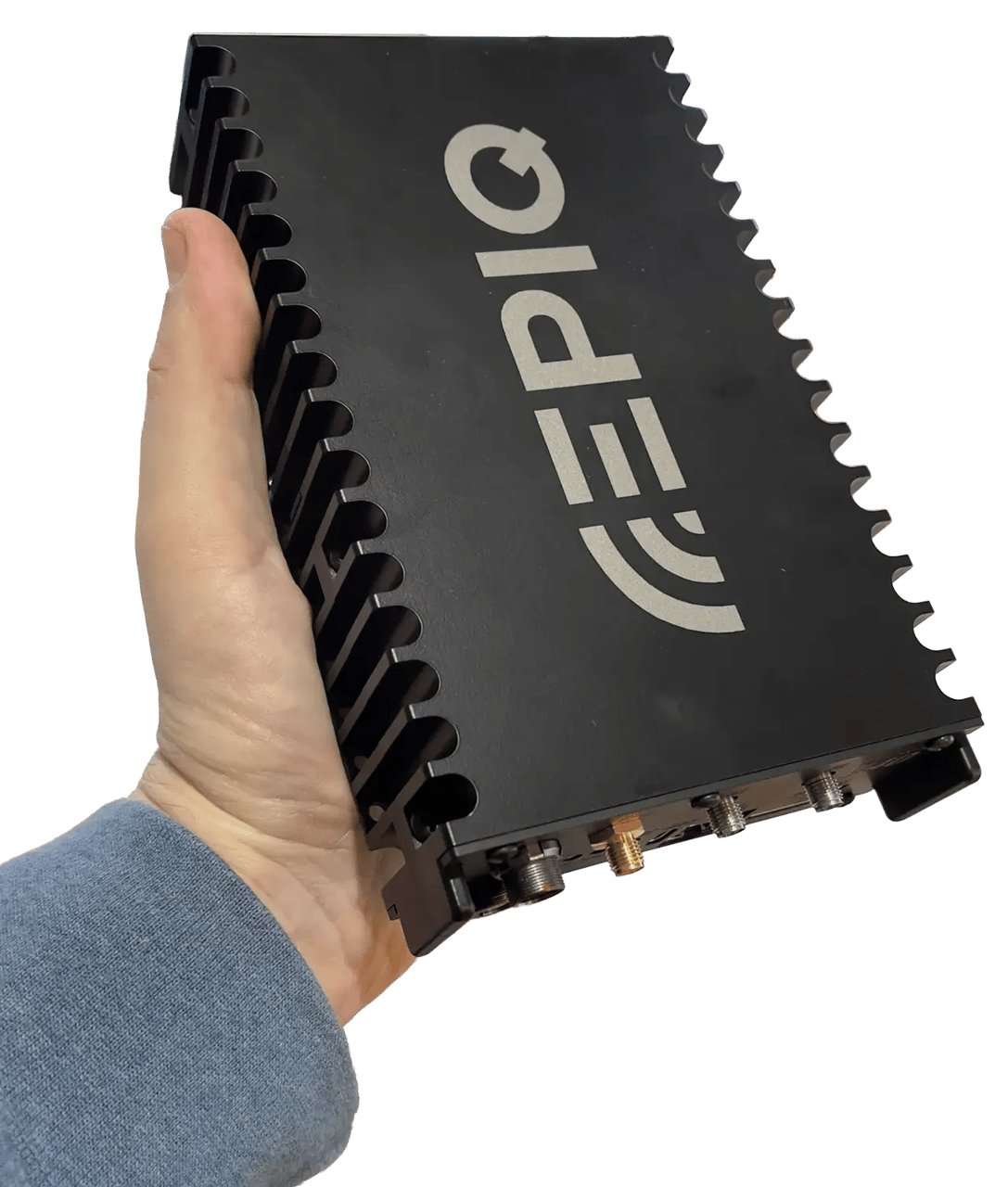
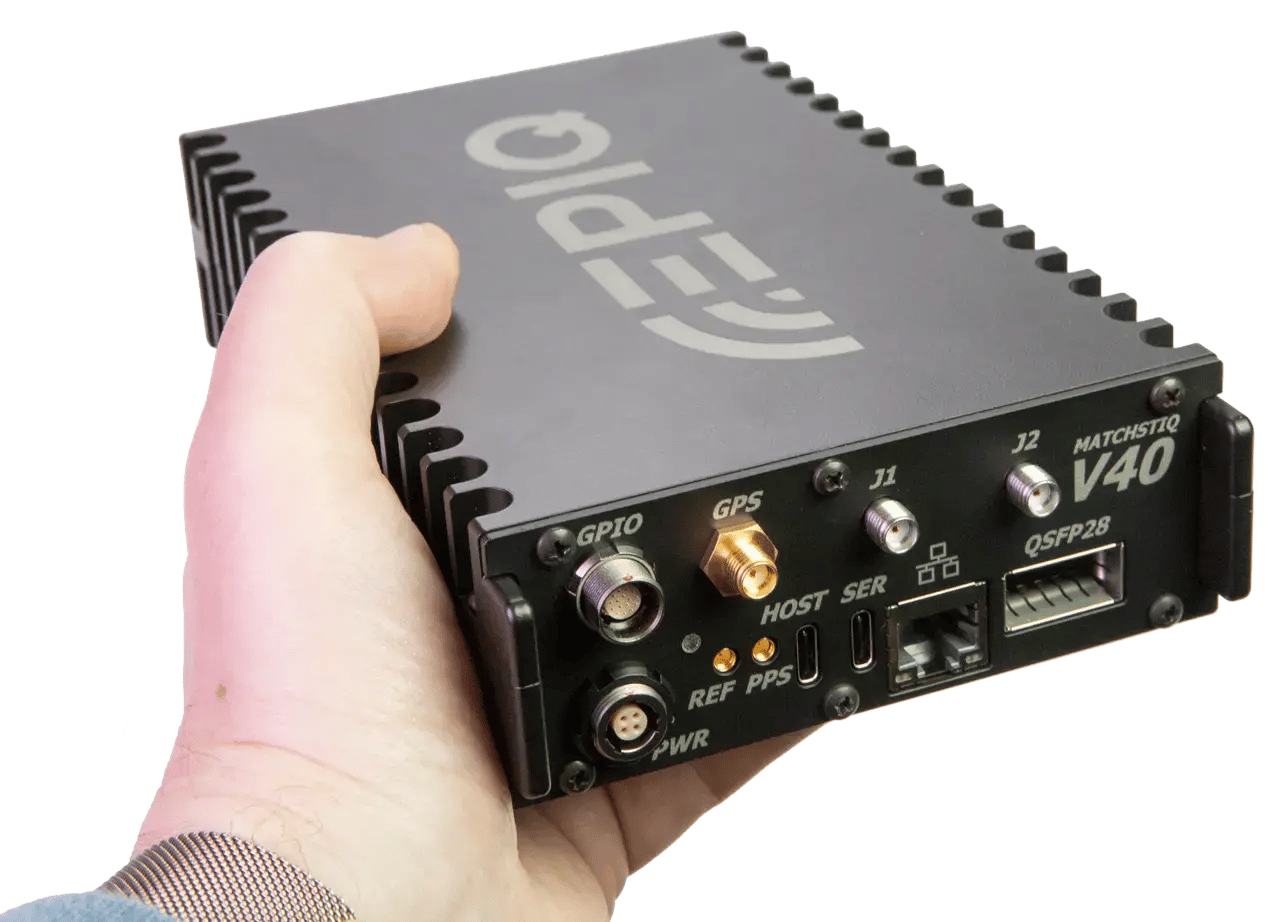
Low SWaP package (<50 inch3 and 40 W power)
-
Open architecture software environment
Platforms &
Applications
Example Platforms
Resources
Resource type
Products
Industry
Datasheets
Epiq - datasheet - Matchstiq™ V40
The Epiq Solutions Matchstiq V40 is a next generation, direct sampling software defined radio (SDR). It offers a compelling combination of flexibility, bandwidth, processing power, for applications where low Size, Weight and Power (SWaP) and superior RF performance are the priorities.
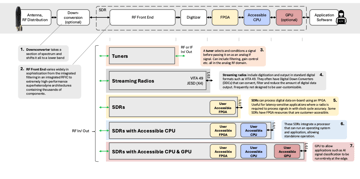
Epiq Block Diagram Cheat Sheet
Epiq RF Front Ends Cheat Sheet
Epiq Product Groups Cheat Sheet
Application notes
Considerations in the Build vs Buy Decision-Making Process for SDRs
The flexibility and enhanced performance offered by software-defined radios (SDRs) in RF transceiver applications is driving an increased demand for their use across many industries such as defense, telecom, aerospace, and government.
THANK YOU!
You will see the document in PDF format in your email shortly.
Case studies
Open-source repositories
Blog
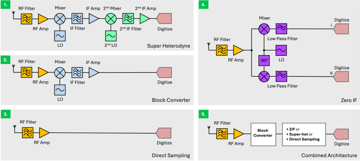
Software Defined Radios – Which RF Architecture Should I Choose?
Choosing the right RF architecture is critical for SDR performance. From Superheterodyne to Direct Sampling, each offers unique trade-offs in size, power, and capability. Discover which architecture best fits your mission needs—register now to access the full article.
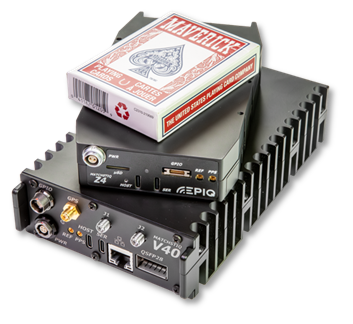
Expanding Epiq’s SDR Platform Footprint: Introducing Matchstiq Z4 and V40
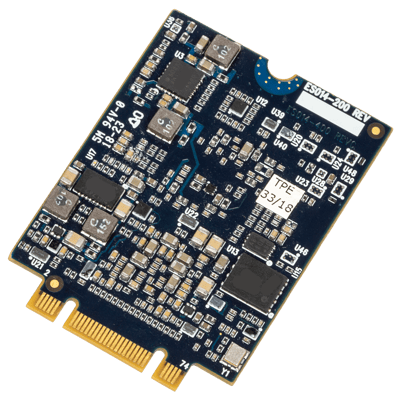
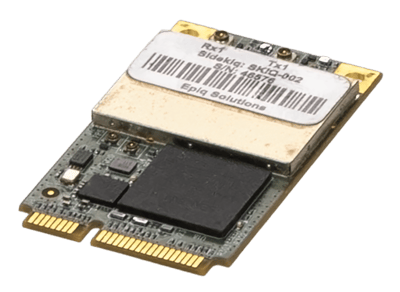
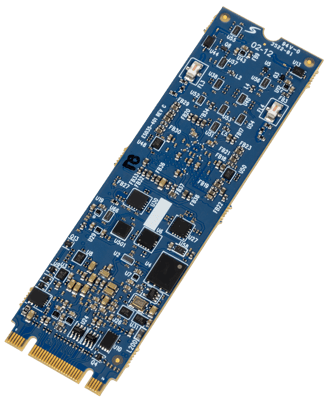
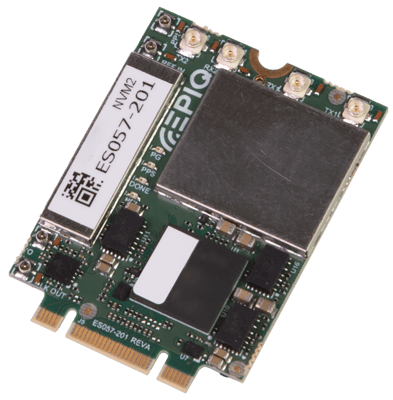
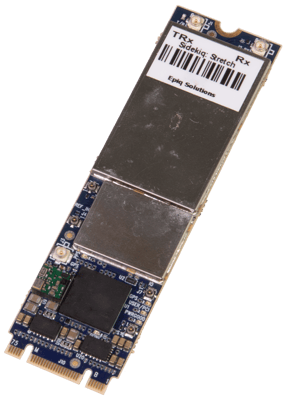
Since our founding back in 2009, Epiq has strived to provide our customers with unique and differentiated RF and SDR capability in small size, weight, and power (SWaP) form factors. In the early days, this was represented in our M.2 and MiniPCIe products that provided full SDR sub-systems in a stick of gum size card that weighed less than 10 grams and consumed less than 3W. Over the years customers have continued to ask Epiq for more – more bandwidth, more frequency coverage, more channels, and more processing – while still keeping SWaP as small as possible.
User Manuals
Matchstiq V40: Use Cases, Capabilities, and Key Questions Answered
The Matchstiq V40 is a high-performance software-defined radio (SDR) designed for advanced RF applications such as electronic warfare, spectrum monitoring, signals intelligence (SIGINT), and next-generation communications. It is built for scenarios that require wide bandwidth, low latency, and real-time processing at the edge.
The V40 is best suited for applications that require extremely wide instantaneous bandwidth (up to 2 GHz), direct RF sampling, and high-throughput data streaming. It is typically chosen over traditional SDRs when performance, speed, and flexibility are critical, especially in defense, aerospace, and advanced R&D environments.
The V40 uses a direct RF sampling architecture with the Analog Devices AD9084 MxFE and an AMD Versal Adaptive SoC. This eliminates the need for intermediate frequency stages, reducing latency and enabling significantly higher bandwidth and more efficient signal processing compared to legacy SDR designs.
The V40 operates from 1 MHz to 9 GHz with up to 2 GHz instantaneous bandwidth and a 2.5 GS/s sample rate. It also supports high-speed VITA 49 data transfer via 100 GbE, making it suitable for real-time, data-intensive RF applications.
Yes. The V40 is designed with a low SWaP profile, operating at around 40W and supporting temperatures from -40°C to 70°C. Its compact form factor and rugged design make it suitable for airborne platforms, mobile deployments, and other demanding field environments.
Epiq Solutions combine advanced RF hardware, FPGA development, and high-performance processing capabilities into a unified SDR platform. Our ecosystem, including APIs and development tools, enables faster prototyping and deployment for teams building production-grade RF and spectrum intelligence systems.