
.webp?length=400&name=Cyber-Radio-NDR585%20(3).webp)

.webp?width=70&height=70&name=Vector%20(1).webp)


.webp?hsLang=en)

Resources
Datasheets
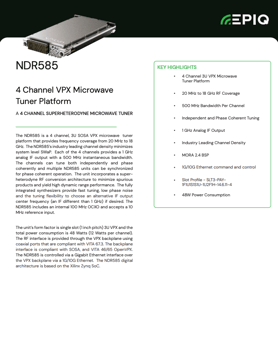
Epiq - datasheet - NDR585
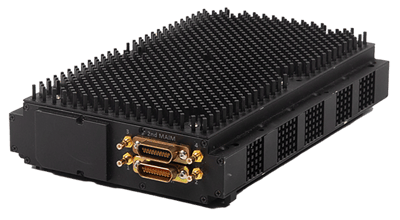
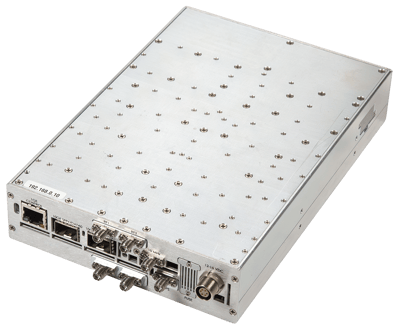
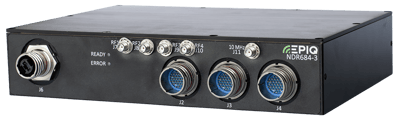
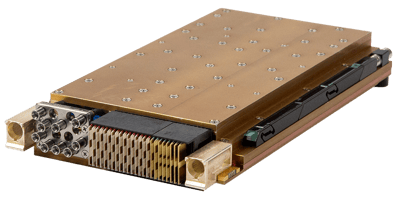
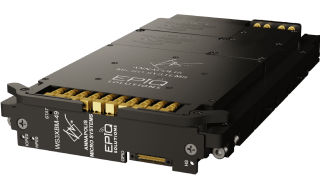
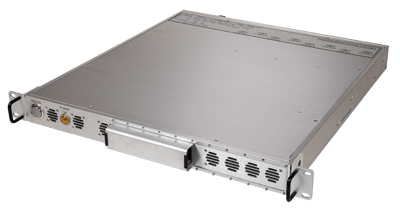
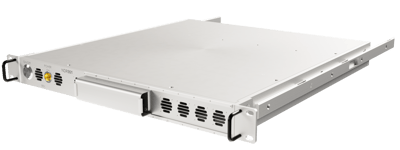
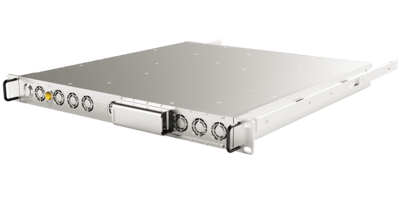
The NDR585 is a 4 channel, 3U SOSA VPX microwave tuner platform that provides frequency coverage from 20 MHz to 18 GHz. The NDR585’s industry leading channel density minimizes system level SWaP. Each of the 4 channels provides a 1 GHz analog IF output with a 500 MHz instantaneous bandwidth. The channels can tune both independently and phase coherently and multiple NDR585 units can be synchronized for phase coherent operation.
Application notes
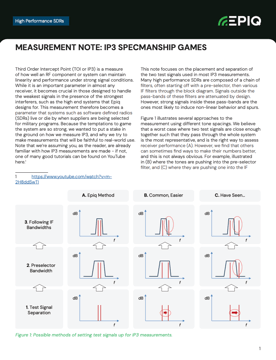
High Performance SDRs IP3 Specmanship
Third Order Intercept Point (TOI or IP3) is a measure of how well an RF component or system can maintain linearity and performance under strong signal conditions. While it is an important parameter in almost any receiver, it becomes crucial in those designed to handle the weakest signals in the presence of the strongest interferers, such as the high end systems that Epiq designs for. This measurement therefore becomes a parameter that systems such as software defined radios (SDRs) live or die by when suppliers are being selected for military programs. Because the temptations to game the system are so strong, we wanted to put a stake in the ground on how we measure IP3, and why we try to make measurements that will be faithful to real-world use. Note that we’re assuming you, as the reader, are already familiar with how IP3 measurements are made - if not, one of many good tutorials can be found on YouTube here.
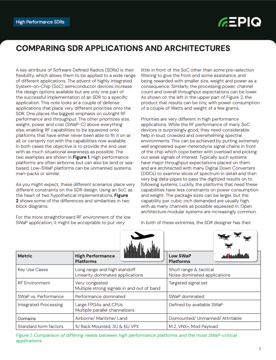
High-Performance SDR Architecture and Applications Comparison
A key attribute of Software Defined Radios (SDRs) is their flexibility, which allows them to be applied to a wide range of different applications. The advent of highly integrated System-on-Chip (SoC) semiconductor devices increase the design options available but are only one part of the successful implementation of an SDR to a specific application. This note looks at a couple of defense applications that place very different priorities onto the SDR. One places the biggest emphasis on outright RF performance and throughput. The other prioritizes size, weight, power and cost (SWaP-C) above everything else, enabling RF capabilities to be squeezed onto platforms that have either never been able to fit it on at all, or certainly not with the capabilities now available. In both cases the objective is to provide the end user with as much situational awareness as possible. The two examples are shown in Figure 1. High performance platforms are often airborne, but can also be land or seabased. Low-SWaP platforms can be unmanned systems, man-packs or similar.
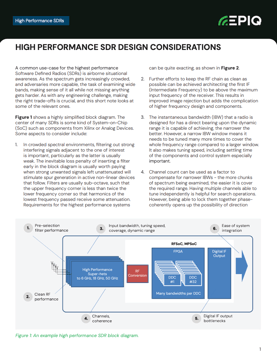
High-Performance SDR Design Considerations
A common use-case for the highest performance Software Defined Radios (SDRs) is airborne situational awareness. As the spectrum gets increasingly crowded, and adversaries more capable, the task of examining wide bands, making sense of it all while not missing anything gets harder. As with any engineering challenge, making the right trade-offs is crucial, and this short note looks at some of the relevant ones.
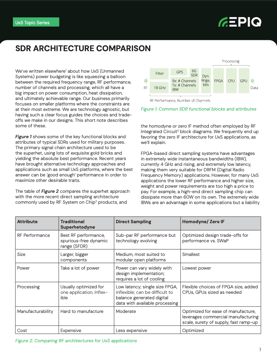
SDR Architecture Comparison
We’ve written elsewhere1 about how UxS (Unmanned Systems) power budgeting is like squeezing a balloon between the required frequency range, RF performance, number of channels and processing, which all have a big impact on power consumption, heat dissipation, and ultimately achievable range. Our business primarily focuses on smaller platforms where the constraints are at their most extreme. We are technology agnostic, but having such a clear focus guides the choices and tradeoffs we make in our designs. This short note describes some of these.
Which RF Architecture Should I Choose
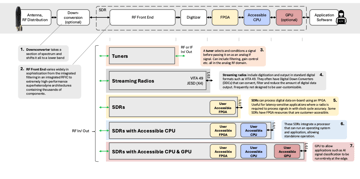
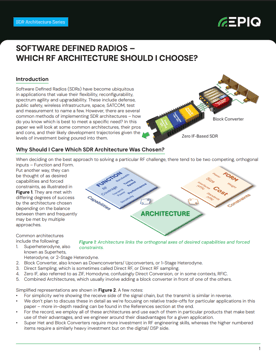
Software Defined Radios (SDRs) have become ubiquitous in applications that value their flexibility, reconfigurability, spectrum agility and upgradability. These include defense, public safety, wireless infrastructure, space, SATCOM, test and measurement to name a few. However, there are several common methods of implementing SDR architectures – how do you know which is best to meet a specific need?
Case studies
Open-source repositories
Blog
Welcoming CyberRadio Solutions to Team Epiq
Epiq is welcoming CyberRadio to our team! This acquisition is all about expanding our portfolio to support you in missions across maritime, land, air, and space domains.

2021: The Year of SOSA Conformance
We look at the benefits SOSA-conformance promises and how working toward compliance can help vendors ensure their products are ready for the new standard.
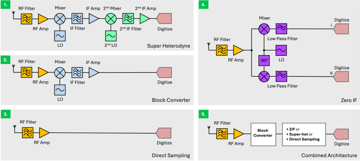
Software Defined Radios – Which RF Architecture Should I Choose?
Choosing the right RF architecture is critical for SDR performance. From Superheterodyne to Direct Sampling, each offers unique trade-offs in size, power, and capability. Discover which architecture best fits your mission needs—register now to access the full article.